



A few years ago, the metaverse was one of the most talked about ideas in technology. Many believed it would quickly change how we live, work, and interact. Big companies invested heavily, and there was excitement about virtual worlds, digital identities, and immersive experiences. However, as time passed, the hype slowed down. Expectations became more realistic, and the focus shifted from big promises to practical use.
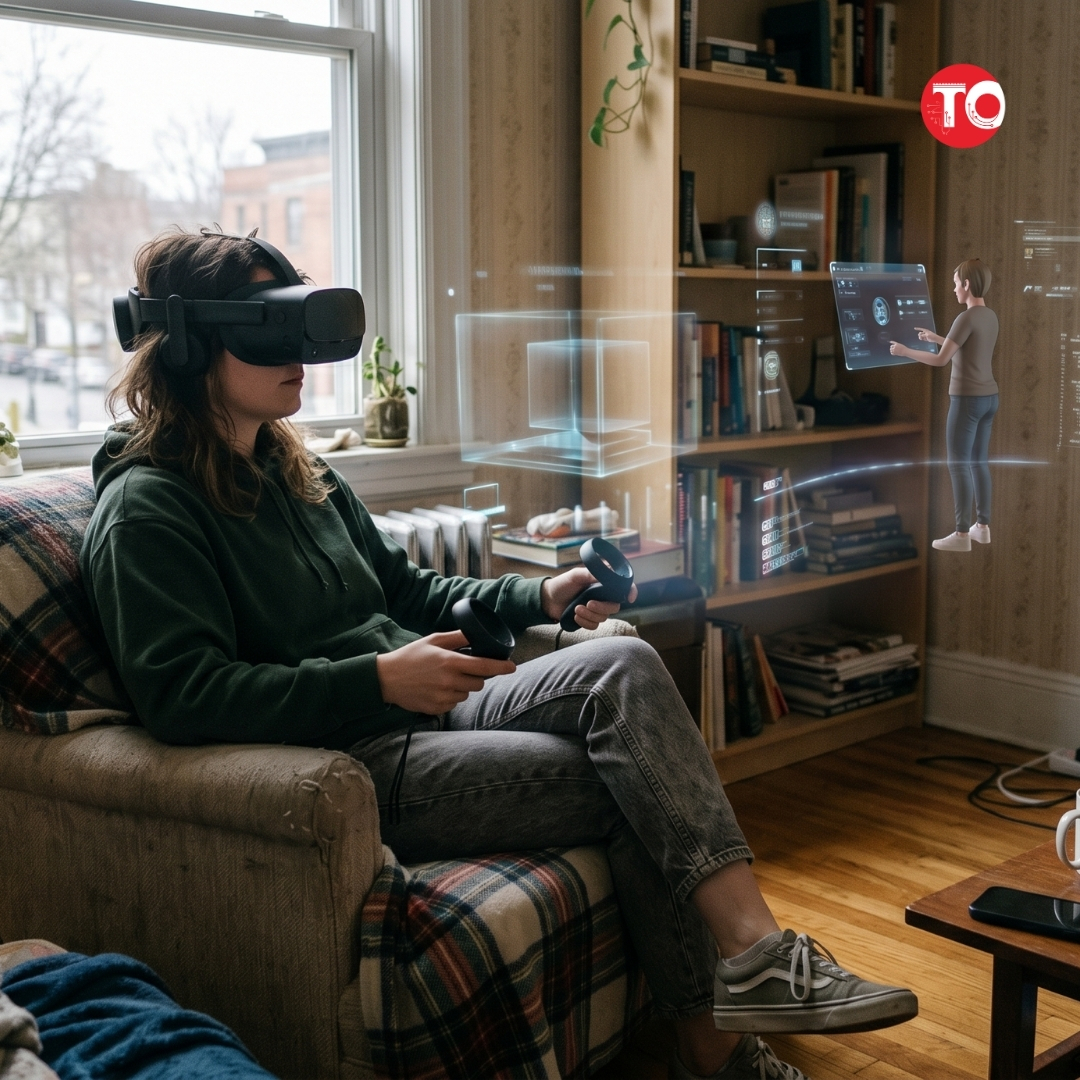
Today, the metaverse is no longer just about futuristic virtual worlds. Instead, companies are exploring how immersive technologies like virtual reality (VR), augmented reality (AR), and mixed reality (MR) can solve real problems. This shift is helping the metaverse move from concept to application.
One of the most important areas where the metaverse is making an impact is education and training. Schools, universities, and companies are using immersive tools to create interactive learning experiences. For example, students can explore historical sites in virtual environments or practice complex procedures in a safe, simulated space. In industries like aviation and healthcare, training in virtual environments allows people to learn without real-world risks. This not only improves learning outcomes but also reduces costs and increases accessibility.
In healthcare, immersive technologies are being used in innovative ways. Doctors can use virtual reality for surgical training or to plan complex operations. Patients are also benefiting from these tools. For example, VR is being used to help manage pain, treat anxiety, and support mental health therapies. Rehabilitation programs are becoming more engaging by using interactive virtual environments that motivate patients to recover faster.
Another important application is in workplaces and collaboration. As remote and hybrid work become more common, companies are looking for better ways to connect teams. Virtual workspaces allow employees to meet, collaborate, and share ideas in a more interactive way compared to traditional video calls. Instead of just seeing each other on screens, people can work together in shared virtual environments, making communication more natural and engaging.
The evolution of extended reality (XR) which includes VR, AR, and MR is driving these changes. Devices are becoming more advanced, affordable, and user-friendly. This is making it easier for businesses to adopt immersive technologies. At the same time, software platforms are improving, allowing developers to create more realistic and useful experiences.
However, challenges still remain. High costs, technical limitations, and user adoption are still barriers for many organizations. There are also concerns about data privacy, security, and the long-term impact of spending time in virtual environments. Because of this, companies are moving carefully, focusing on areas where the metaverse can deliver clear value.
The metaverse may not have grown as quickly as expected, but it is evolving in a more practical and sustainable way. Instead of trying to change everything at once, it is becoming a tool that enhances specific industries and use cases.
In the end, the future of the metaverse will likely be built step by step. As technology improves and real-world applications continue to grow, immersive experiences will become a natural part of how we learn, work, and interact. The hype may have faded, but the real journey of the metaverse is just beginning.