




The world is changing faster than ever before. Artificial Intelligence, also known as AI, is becoming a part of everyday life. From businesses and hospitals to schools and governments, AI is helping people work faster and smarter. It can analyze data, answer questions, create content, and even make decisions in seconds. While technology is growing rapidly, one important question remains: what is the role of human leadership in an AI-driven world?
Many people fear that AI will replace humans completely. However, the truth is that technology can never fully replace human leadership. AI may be powerful, but it does not have emotions, empathy, values, or human understanding. Great leadership is not only about intelligence or speed. It is about inspiring people, building trust, understanding emotions, and making ethical decisions. These are qualities that only humans can truly bring to the table.
Today, leaders are facing a new challenge. They must learn how to balance technology with humanity. Businesses are using AI to improve productivity, automate tasks, and increase profits. While this creates many opportunities, it also creates uncertainty among employees. Many workers worry about losing their jobs or becoming less valuable. In such times, leaders play a very important role. They must communicate clearly, support their teams, and help people adapt to change instead of fearing it.
Human leadership in the age of AI requires emotional intelligence more than ever before. Employees no longer want leaders who only focus on numbers and performance. They want leaders who listen, understand, and genuinely care about people. Technology can provide information, but it cannot replace compassion. A machine cannot motivate a struggling employee or build strong human relationships within a company. This is why empathy is becoming one of the most valuable leadership skills in the modern world.
Another important quality of leadership today is adaptability. The AI world is changing quickly, and leaders must be willing to learn continuously. The leaders who succeed will not be the ones who know everything, but the ones who are open to change. They must understand technology while also understanding human behavior. Leaders who combine innovation with humanity will create stronger and more sustainable organizations.
Trust is also becoming extremely important in an AI-driven society. As AI systems collect more data and influence decisions, people want transparency and fairness. Employees, customers, and communities expect leaders to use technology responsibly. Ethical leadership is no longer optional. Leaders must ensure that AI is used to support people, not exploit them. The future will belong to organizations that use technology with responsibility, honesty, and purpose.
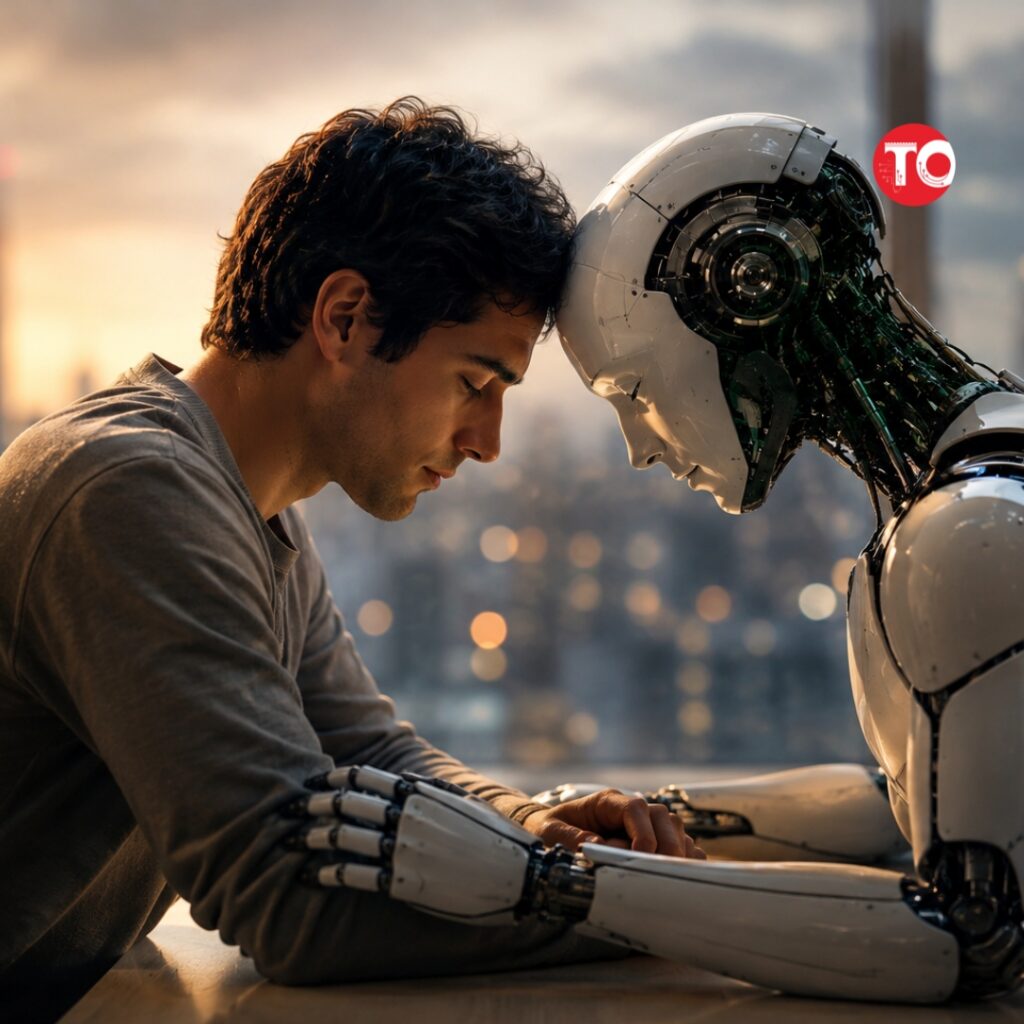
The rise of AI is also changing the definition of success. In the past, leadership was often connected to authority and control. Today, successful leadership is more collaborative and human-centered. Leaders must encourage creativity, innovation, and teamwork. AI can process information, but humans bring imagination, vision, and emotional depth. The best results will come when humans and technology work together rather than compete against each other.
In many ways, AI is pushing leaders to become more human, not less. As machines take over repetitive tasks, human qualities become even more valuable. Creativity, emotional intelligence, communication, ethics, and vision are now essential skills for leadership. The future workplace will not simply depend on technology. It will depend on leaders who know how to connect technology with people.
The world is entering a new era where artificial intelligence will influence every industry and every profession. But no matter how advanced technology becomes, human leadership will remain at the center of progress. Machines may support decisions, but humans give meaning and direction to those decisions. AI can improve efficiency, but only human leaders can inspire trust, hope, and purpose.
The future does not belong only to artificial intelligence. It belongs to leaders who understand the importance of being deeply human in a highly technological world.