




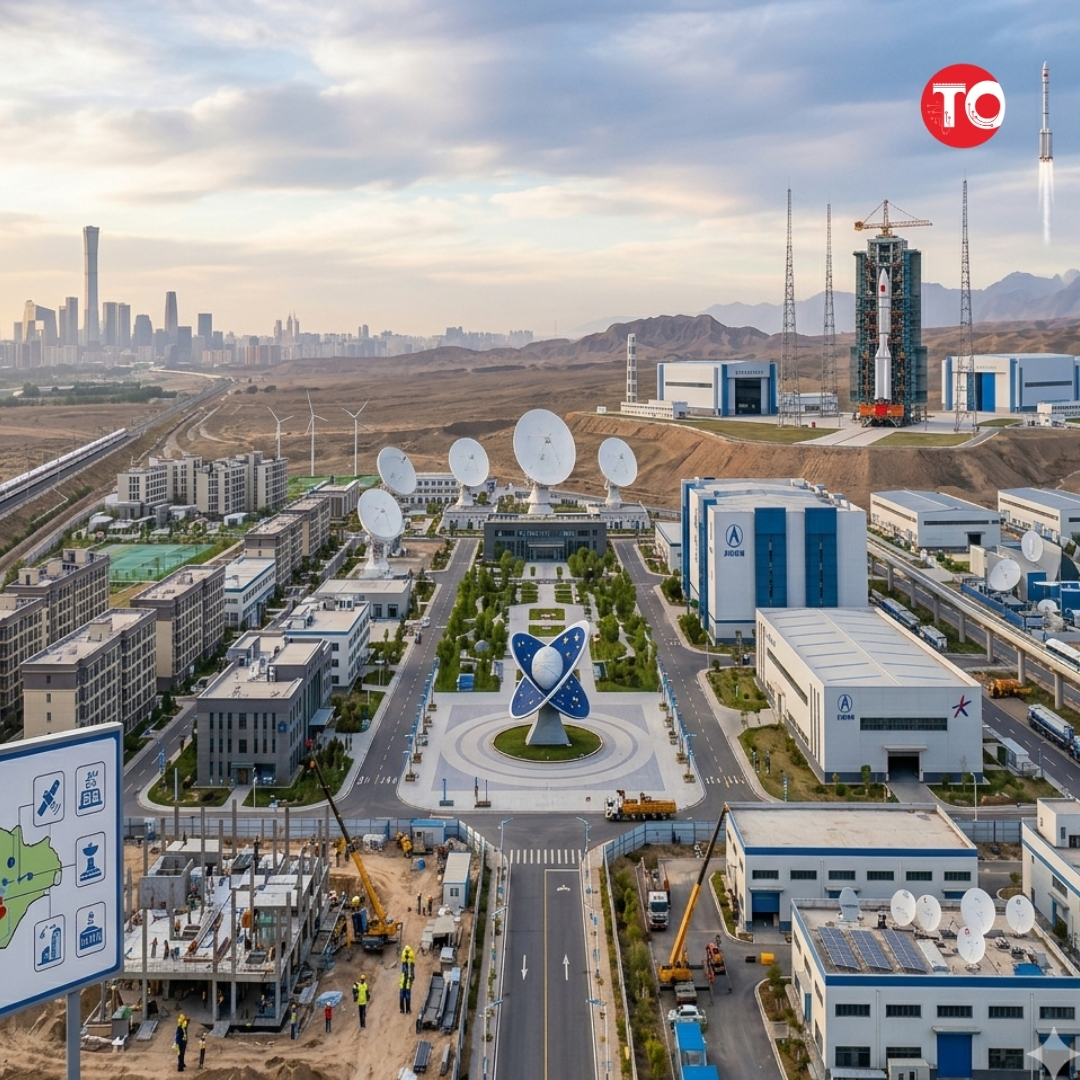
In a strategic move to solidify its position as a global space power, Beijing is set to launch a dedicated "Satellite Town" within its Daxing District. This ambitious development is designed to serve as a specialized hub for the research, manufacturing, and operation of commercial satellites, reflecting the explosive growth of China's aerospace sector. By centralizing high-tech enterprises and research institutions in one dedicated zone, the project aims to streamline the production of satellite constellations, which are becoming increasingly vital for global telecommunications and Earth observation.
The Satellite Town will feature state-of-the-art facilities, including satellite testing centers, command and control stations, and high-tech manufacturing plants. This infrastructure is a direct response to the rising demand for low-Earth orbit (LEO) satellite networks, similar to global systems like Starlink. For emerging digital economies like Oman, which is currently expanding its own telecommunications infrastructure and satellite ground station capabilities, China's move to industrialize satellite production offers a glimpse into the future of scalable space technology and its potential for international collaboration.
This initiative is part of a broader national strategy to foster a robust commercial space ecosystem. China's aerospace industry is no longer limited to government-led missions; it now includes a rapidly growing number of private startups and specialized tech firms. The establishment of this specialized town in Beijing is expected to attract top-tier engineering talent and significant private investment, accelerating the pace of innovation in satellite miniaturization, reusable rocket technology, and high-speed satellite internet.
As the Sultanate of Oman continues to explore the "New Space" economy under Oman Vision 2040, the development of specialized aerospace clusters like Beijing’s Satellite Town provides a valuable blueprint. Centralizing resources in this way helps reduce costs and speed up the deployment of space-based services. The global growth of this industry ensures that more affordable and accessible satellite solutions will be available for maritime tracking, disaster management, and rural connectivity across the Middle East and beyond, marking a new chapter in how space technology serves life on Earth.