



Dubai Launches SARAAB Open-Source AI Model
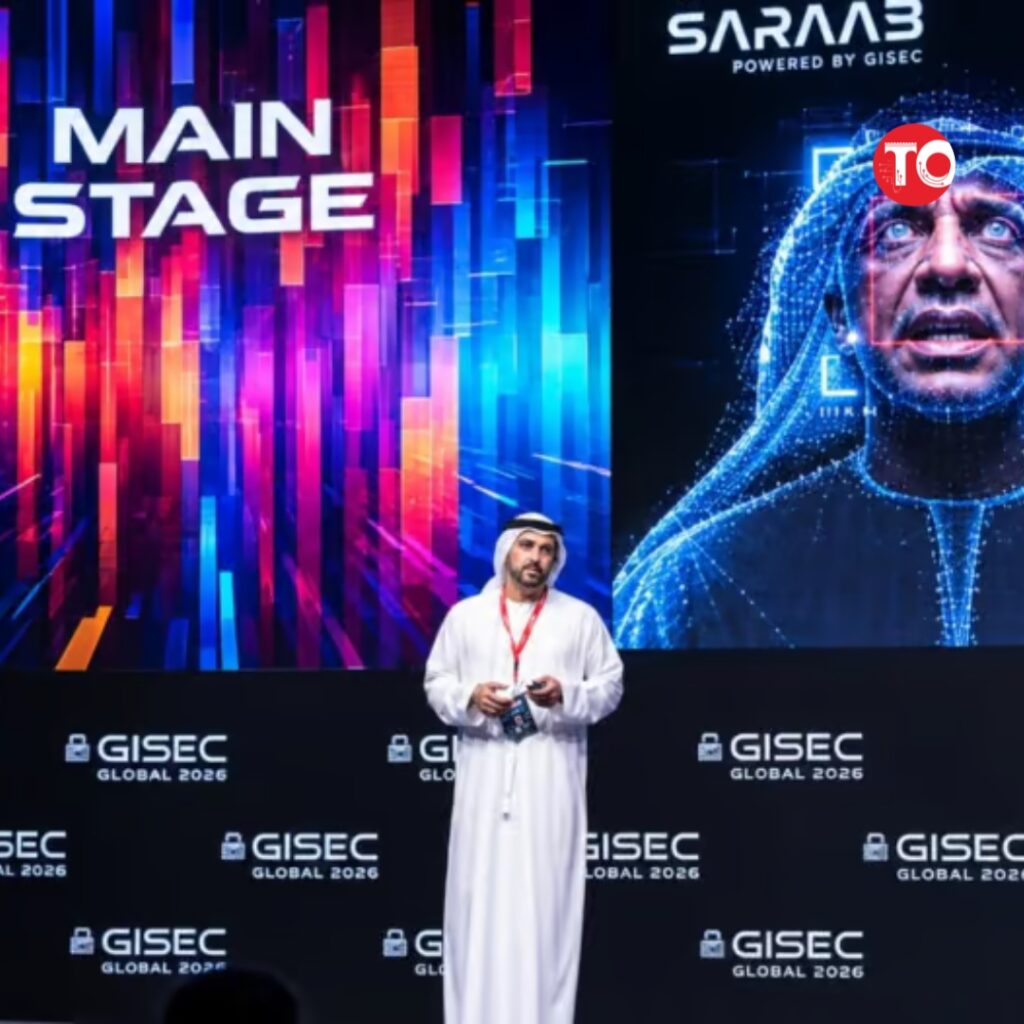
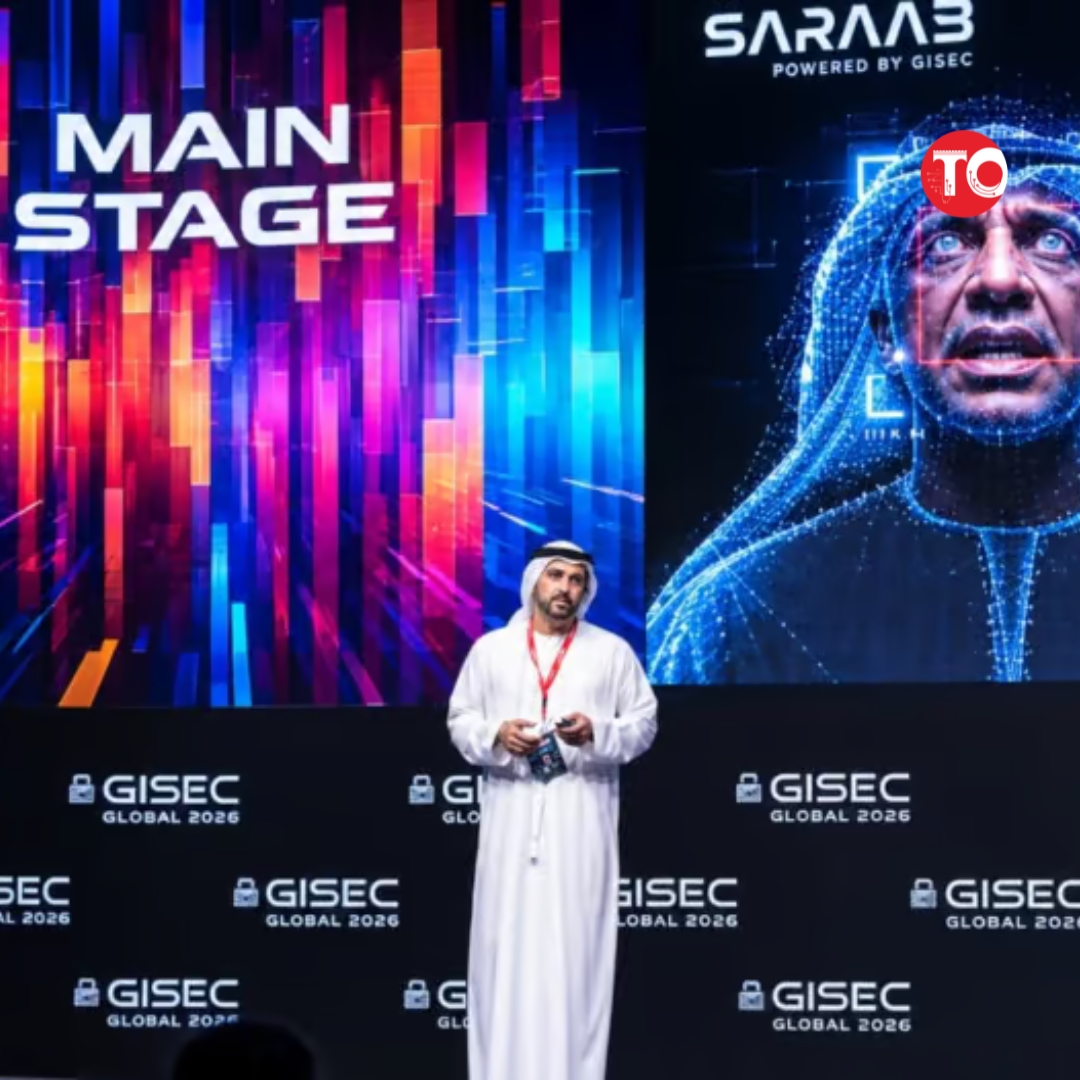
The Dubai Electronic Security Center (DESC) has officially launched SARAAB, a homegrown open-source artificial intelligence model engineered to detect deepfake videos and combat synthetic media scams. Developed entirely by an Emirati technical team over a six-month period, the tool analyzes video media to identify subtle facial manipulation cues and motion anomalies. By offering SARAAB as an open-source platform hosted on developer repositories like Hugging Face, authorities aim to provide global cybersecurity researchers, government agencies, and digital media platforms with a accessible defense mechanism against escalating AI-driven fraud.
Core Technical Capabilities and Detection Performance
The technical architecture underlying SARAAB incorporates several specialized algorithmic detection features:
- High Accuracy Benchmarks: Achieves up to 91% accuracy in identifying synthesized facial movements and video edits.
- Short-Clip Analysis: Successfully processes and evaluates video footage as short as seven seconds, outperforming conventional models.
- Frame-by-Frame Heatmaps: Generates dynamic visual heatmaps with moving hotspots to highlight specific manipulated frames across full video durations.
- Partial Manipulation Tracking: Flags isolated deepfake edits embedded within legitimate longer footage, such as localized alterations inside extended clips.
Addressing the Threat of Deepfakes in Digital Ecosystems
The emergence of user-friendly generative AI tools has lowered the barrier to entry for cybercriminals, enabling convincing voice and video impersonations used in financial fraud, social engineering, and misinformation campaigns. Traditional deepfake detectors often rely on analyzing isolated static images or demand long video samples, leaving gaps when evaluating short social media clips or real-time communications. SARAAB addresses these operational constraints by conducting comprehensive frame-by-frame analysis across entire video files, rendering it effective against transient digital threats.
Strengthening Homegrown Cybersecurity Capabilities
The introduction of SARAAB reflects the United Arab Emirates' strategic drive to build self-reliant cyber defenses while contributing to the global developer ecosystem. Releasing the model under an open-source framework allows global developers, academic institutions, and security engineers to inspect the underlying codebase, run independent benchmarks, and customize the model for specific enterprise environments. Public availability accelerates collaborative refinement, helping detection algorithms evolve alongside rapidly changing deepfake generation techniques.
Safeguarding Digital Trust Across Regional Markets
Ultimately, the launch of SARAAB reinforces Dubai's position as a forward-thinking hub for cybersecurity and artificial intelligence governance. Providing accessible verification tools helps restore trust in online media, protecting public institutions, financial entities, and individual citizens from extortion and identity theft. As synthetic content becomes increasingly sophisticated, deploying open-source forensic detectors alongside digital provenance frameworks ensures robust defense strategies across the wider digital economy.