


Instagram Users Turn Meta’s ‘Muse’ AI Into an Automated Follower Cleanup Tool
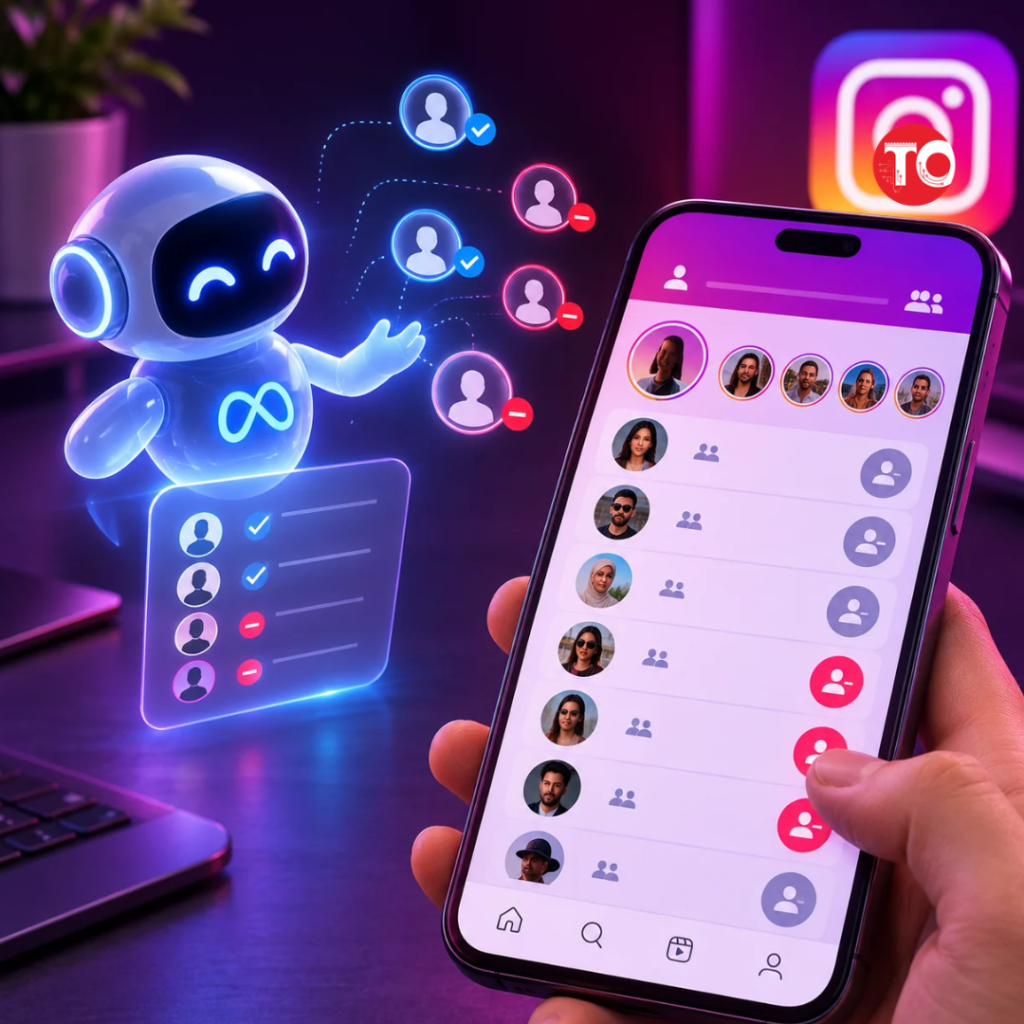
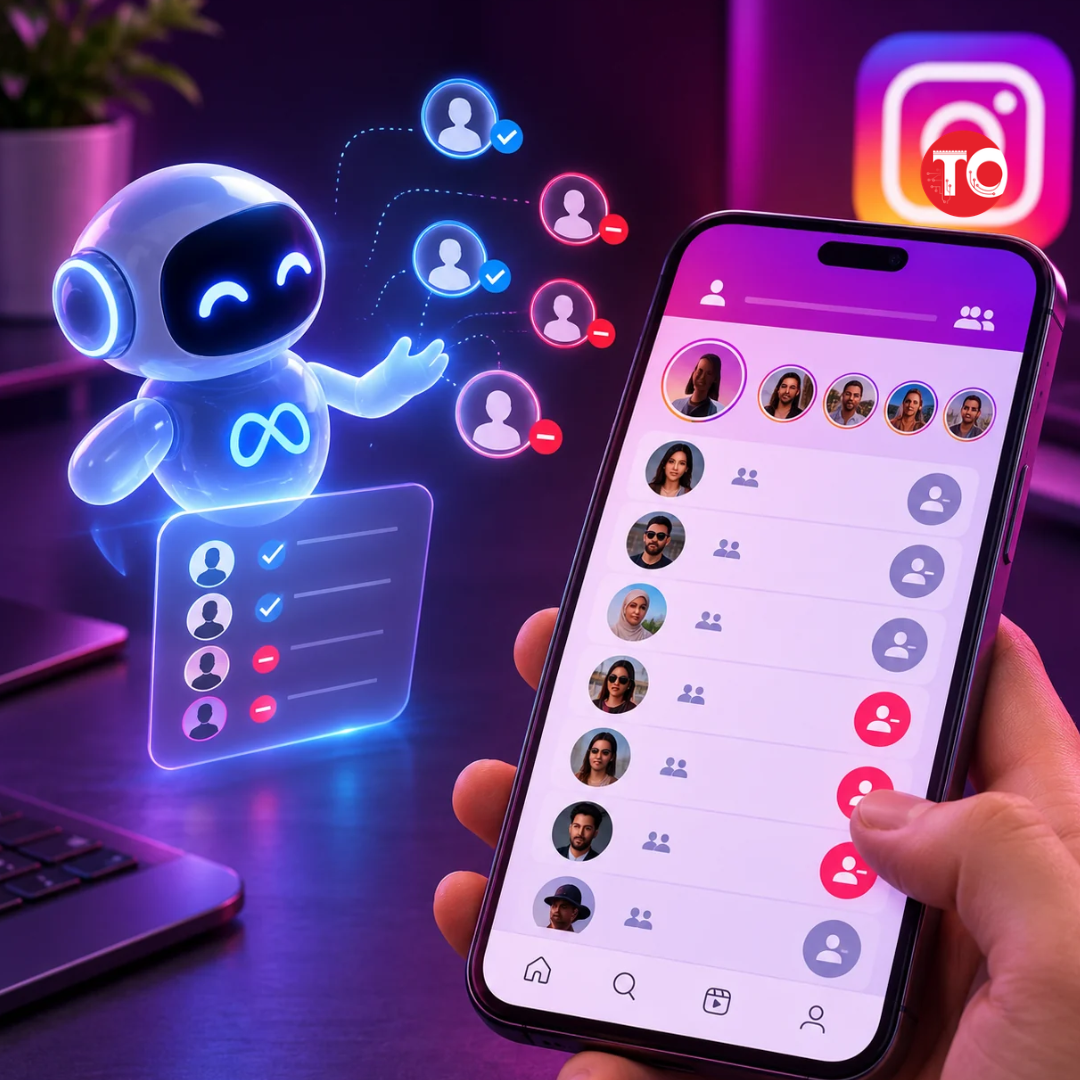
Social media users have discovered that Muse, Meta’s native agentic artificial intelligence assistant, can scan their Instagram following lists to identify and automatically unfollow accounts that do not follow them back. Long sought after by everyday users and creators alike, follower-tracking functionality previously required risky third-party apps that frequently violated platform terms and resulted in suspended accounts. Because Muse operates natively within Meta’s ecosystem, users are increasingly delegating routine profile audits to the assistant through simple natural-language prompts.
How Muse Audits and Purges Non-Mutual Instagram Accounts
Rather than blindly removing connections, Muse follows a structured, user-confirmed workflow to organize and clean up following lists:
- Automated Non-Follower Detection: Users prompt Muse to scan their following list and filter out accounts—often excluding verified celebrities or large public pages above a chosen follower threshold—that do not reciprocate the follow.
- Structured Spreadsheet Exports: Within moments, the assistant compiles a downloadable spreadsheet containing usernames, real names, account classifications, and direct profile links.
- Human-in-the-Loop Confirmation: Before executing any account changes, Muse presents the shortlist and asks for explicit user confirmation, allowing users to keep specific acquaintances or notable pages.
- Bulk Unfollowing Execution: Once approved, the agent automatically unfollows the selected accounts—with viral posts highlighting users purging hundreds or even over 1,000 non-mutual connections in minutes.
Viral Adoption Sparks Debate Over Social Dynamics and Privacy
Instructions and prompt templates for using Muse as an unfollow assistant have spread rapidly across X, Instagram, and Facebook. While many users praise the feature for eliminating hours of manual scrolling and curating cleaner feeds, others note that surfacing real-life acquaintances who quietly unfollowed them has introduced unexpected social friction. Notably, Meta recently pulled an Instagram advertisement that explicitly promoted Muse’s ability to track weekly unfollowers, signaling sensitivity around how openly the company markets relationship-tracking capabilities.
The Rise of Native Consumer AI Agents on Social Platforms
The viral trend illustrates how rapidly agentic AI is transitioning from passive chat interfaces into autonomous digital assistants capable of taking direct action inside consumer apps. By giving an in-house AI agent read-and-write permissions over user account graphs, Meta has unlocked powerful automation workflows that third-party developers were long blocked from building safely. However, as AI assistants increasingly mediate personal connections, platforms face new design questions regarding rate limits, user boundaries, and social etiquette.
Reshaping Everyday Social Media Management
Ultimately, Meta’s Muse demonstrates how natural-language AI agents are transforming mundane social media maintenance into effortless automated tasks. By replacing insecure third-party follower trackers with an official, confirmation-based assistant, Muse gives Instagram users unprecedented control over their digital circles—even as users decide where to draw the line on automating their social lives.