




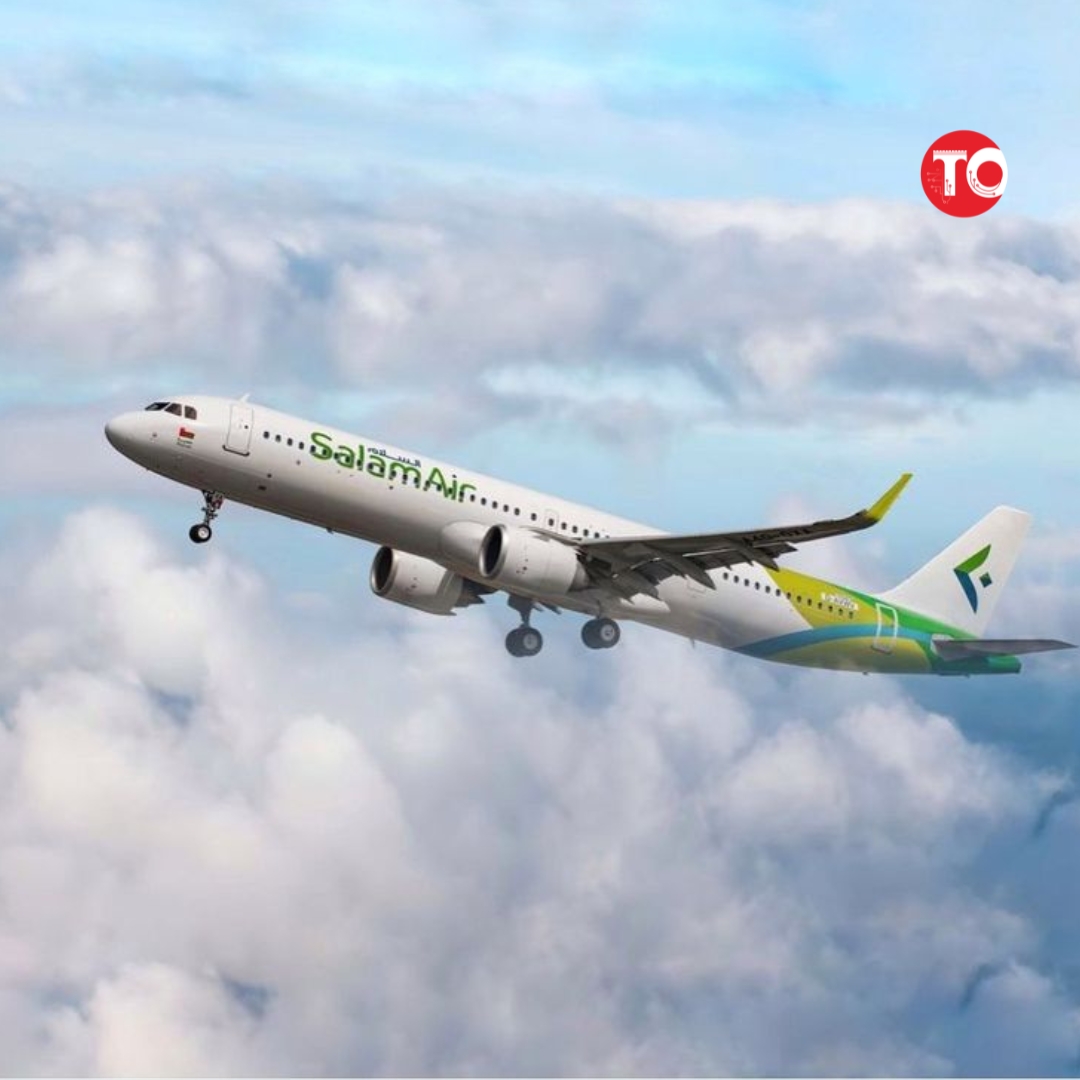
Salalah Airport has formally welcomed the newest addition to SalamAir’s expanding fleet, celebrating the arrival of the budget carrier's 18th aircraft. The newly delivered airplane was honored with a traditional water cannon salute upon touchdown, a ceremonial gesture marking its official induction into active commercial service. This strategic fleet expansion arrives at a critical juncture, directly addressing the massive surge in air travel demand as regional travelers flock to Dhofar for the annual Khareef season.
The introduction of the 18th aircraft allows the low-cost airline to significantly increase its seat capacity and scale up daily flight frequencies connecting Muscat and various regional hubs to Salalah. By deploying this modern asset, the carrier is actively supporting national tourism initiatives by offering travelers more flexible scheduling and accessible pricing structures. The move ensures that the airline can seamlessly accommodate the heavy influx of domestic and international tourists searching for seasonal getaways during the peak summer months.
Salalah Airport's operational teams have synchronized closely with the airline to ensure that the increased flight volume is matched by rapid ground handling, optimized check-in procedures, and minimal baggage processing delays. As the airport continues to upgrade its terminal logistics, welcoming advanced aircraft models plays a vital role in showcasing its structural readiness to manage heavy passenger throughput. The collaboration underscores a shared commitment to delivering a frictionless, high-quality transit experience for visitors entering the governorate.
This fleet milestone closely mirrors the core economic and connectivity objectives outlined within Oman Vision 2040, which prioritizes logistics and tourism as primary pillars for national growth. By expanding its domestic and international aviation network, the home-grown airline is not only boosting local hospitality sectors but also opening up new commercial routes that foster broader regional integration. A larger, more efficient fleet allows the Sultanate to reliably market itself as a highly accessible destination for global leisure and business travelers alike.
Ultimately, the arrival of this 18th aircraft represents a confident forward step for the country's aviation industry, signaling sustained market recovery and robust corporate growth. As the carrier continues to modernize its inventory with fuel-efficient, next-generation planes, it successfully lowers its operational carbon footprint while maintaining aggressive competitive pricing. This long-term industrial scaling ensures that the nation's skies remain highly connected, fueling continuous economic momentum across Dhofar and the wider Sultanate.