




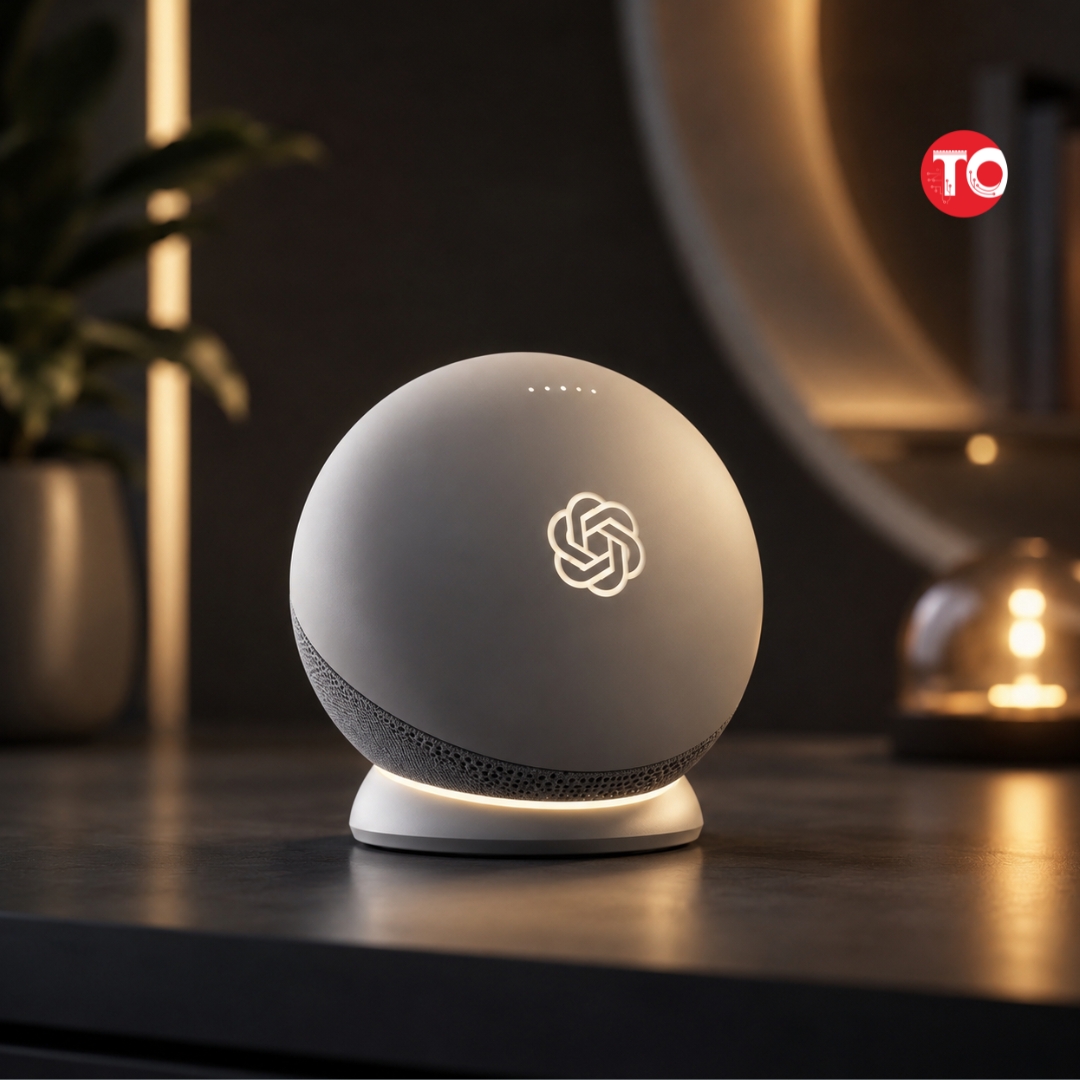
OpenAI is preparing to enter the consumer hardware market with its first-ever physical device. Shifting away from standard smartphone and smart display designs, the company’s debut product will be a movable, screenless speaker built specifically to act as an interactive AI companion. This highly anticipated hardware release marks a massive pivot for the software giant as it seeks to anchor its artificial intelligence models directly into consumers' physical living and working spaces.
By opting for a screenless design, the company is leaning heavily into natural voice interface technology, prioritizing conversational audio over traditional touchscreens. The "movable" aspect of the speaker suggests integrated robotics or dynamic directional capability, allowing the device to actively orient itself toward users, follow them across spaces, or physically adjust to optimize audio input and output. This unique hardware strategy aims to make human-AI interactions feel far more personal, fluid, and integrated than a standard stationary smart speaker.
The decision to focus on an "AI companion" experience highlights the ambition to create more emotionally resonant and context-aware devices. Leveraging advanced multimodal voice systems, the upcoming speaker is expected to offer near-instantaneous response times, emotional vocal inflection, and real-time environmental awareness. Rather than just executing simple home-automation commands like playing music or setting timers, the device is engineered to hold deep, continuous conversations, assist with tasks, and adapt to the user's personality over time.
This hardware push arrives amid a broader, intensifying race for consumer AI dominance, where software giants are trying to find the ideal "form factor" to bypass traditional phone operating systems. By building its own proprietary consumer hardware, the developer can control the entire user experience from end to end, reducing its strategic dependence on mobile app marketplaces run by traditional tech competitors. Creating a physical touchpoint in the home establishes a direct, unmediated channel to the consumer, unlocking new data pipelines and ecosystem-locking capabilities.
Ultimately, this screenless companion speaker is designed to redefine how humans interact with machine intelligence on a daily basis. As the development team navigates the challenges of hardware supply chains, manufacturing, and privacy concerns regarding an active, moving sensor in the home, the market will be watching closely to see if this physical device can replicate software success. If successful, this move could spark a massive paradigm shift in consumer electronics, transitioning the industry away from screen-based interfaces toward conversational, robotic companions.