



Ministry of Labour Highlights Digital Framework for Remote Work
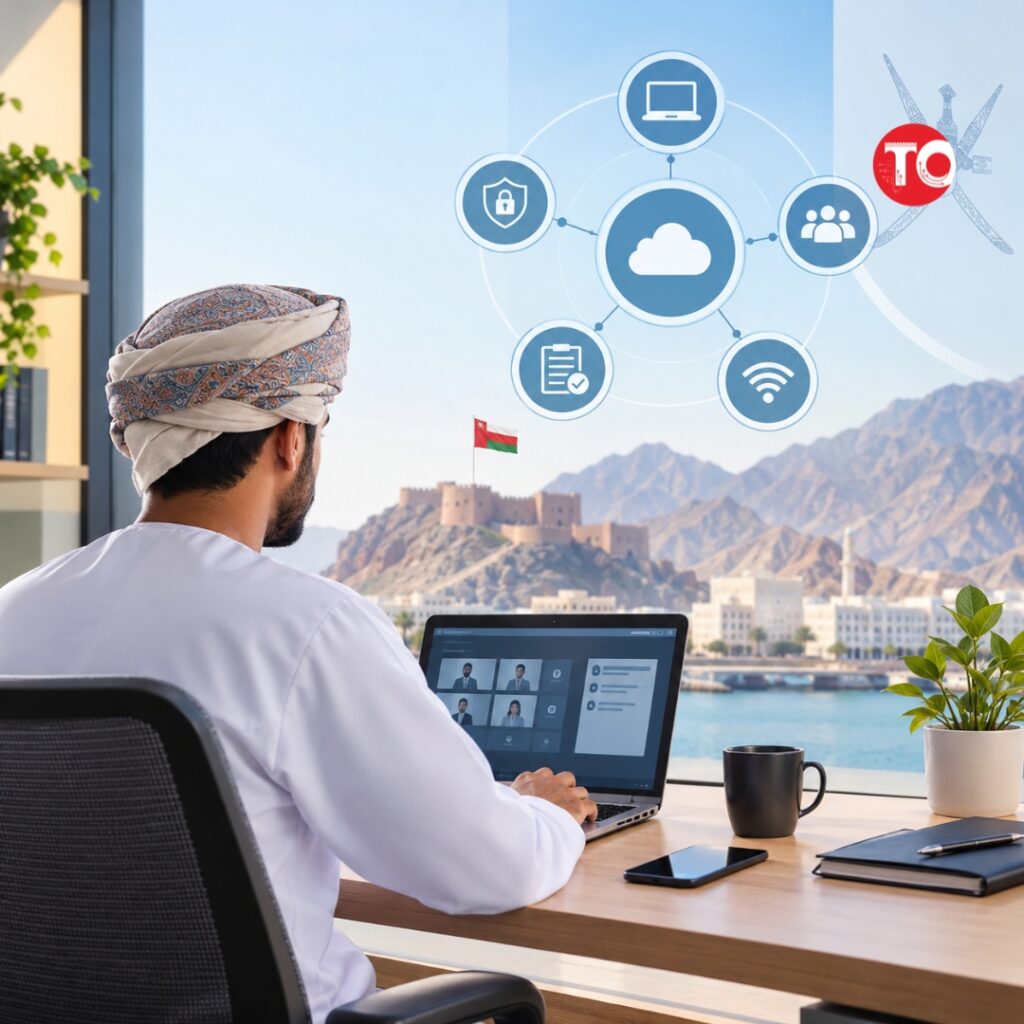
Oman’s Ministry of Labour has emphasized that the national remote work framework focuses heavily on digital delivery, operational flexibility, and information and communication technology (ICT) integration. Operating under the national Labour Law, official regulations stipulate that remote work arrangements must be executed using certified ICT tools within the Sultanate. By establishing clear guidelines for digital connectivity, electronic performance monitoring, and data privacy, the ministry aims to foster an innovative, technology-driven future of work across both public and private sectors.
ICT Infrastructure and Mandatory Electronic Monitoring Systems
Under the ministerial guidelines, employing establishments implementing remote work models are required to supply necessary ICT hardware, software licenses, and secure electronic systems for supervision. Companies must deploy dedicated performance-tracking tools while ensuring that employee privacy remains strictly protected and personal data is not misused beyond professional monitoring. Furthermore, remote employees are mandated to maintain strict data confidentiality, immediately report any technical or software difficulties, and utilize approved corporate communication platforms during designated working hours.
Easing Urban Traffic Congestion via Digital Work Infrastructure
Integrating remote work capabilities plays a critical strategic role in managing urban mobility and infrastructure across Muscat, particularly alongside upcoming transport projects like the Muscat Expressway improvements. Staggered digital work schedules, flexible hours, and remote options help disperse peak-hour traffic volumes, reducing gridlock on major thoroughfares. Leveraging cloud-based collaboration tools allows government departments and private enterprises to maintain seamless productivity while easing physical pressure on national transport networks.
Aligning Digital Labor Policies with Oman Vision 2040
Formalizing flexible, ICT-enabled work policies directly supports the broader digital transformation targets outlined in Oman Vision 2040. Embracing digital workspace models encourages organizations to adopt cloud infrastructure, enhance cybersecurity protocols, and cultivate a tech-savvy national workforce. Establishing structured legal frameworks for remote employment ensures that the Sultanate's labor market remains adaptable, resilient, and fully synchronized with modern global economic trends.
Securing Long-Term Productivity and Digital Resilience
Ultimately, the Ministry of Labour’s focus on remote work underscores the growing importance of digital infrastructure in shaping modern employment practices across Oman. By mandating secure ICT tools and clear digital accountability, the regulatory framework protects both employers and employees while driving sustainable productivity. As organizations continue to embrace digital collaboration platforms, remote work remains a vital component of Oman's evolving technological ecosystem.