




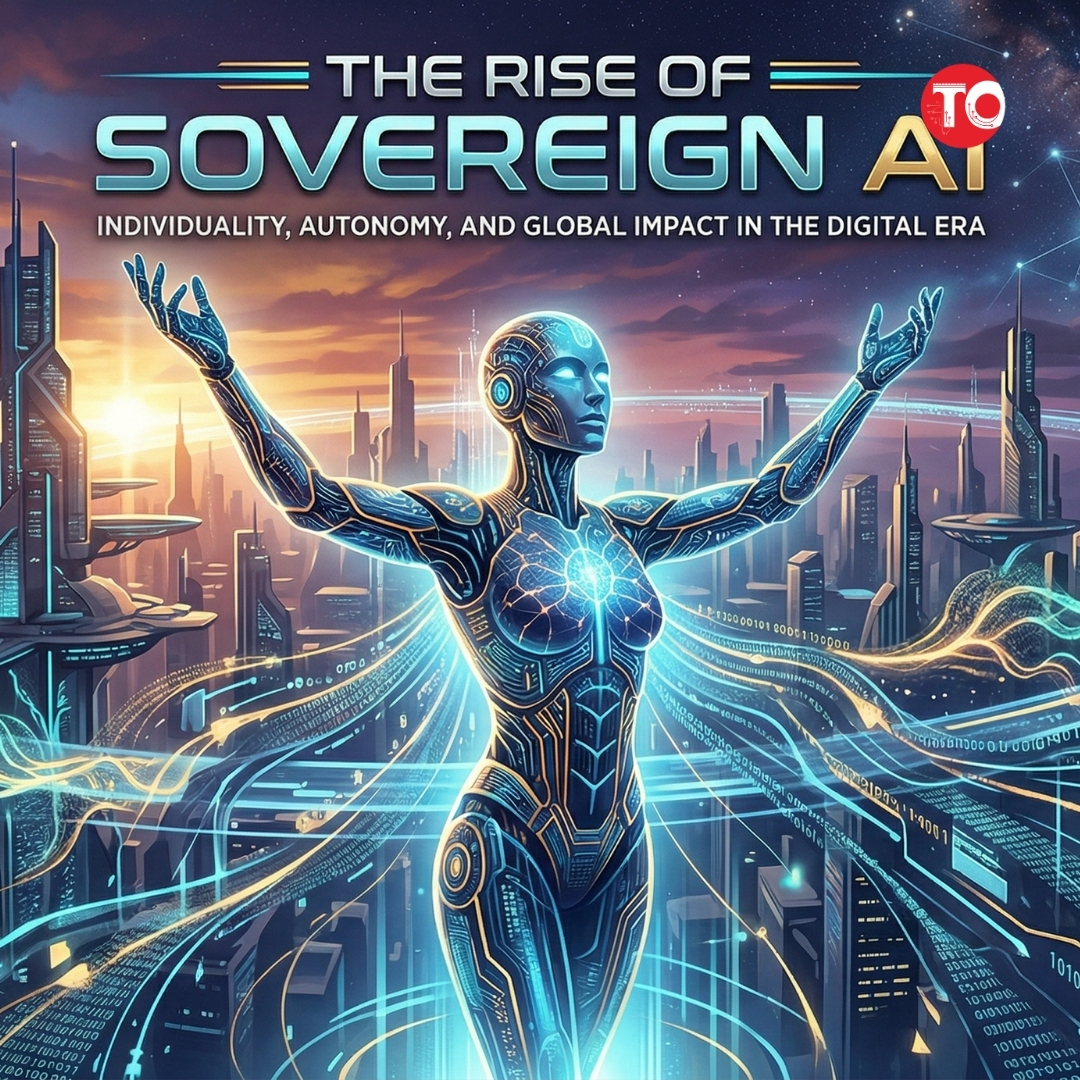
In recent years, artificial intelligence has moved from being a business tool to becoming a matter of national importance. Countries around the world are now investing heavily in what is called “sovereign AI” and building their own AI systems, data centers, and digital infrastructure that are controlled within their borders. This shift is not just about technology; it is about power, security, and independence in a rapidly changing world.
One of the main reasons nations are building their own AI ecosystems is to protect sensitive data. When countries rely on foreign technology platforms, their data may be stored or processed outside their borders. This raises concerns about privacy, surveillance, and national security. By developing local AI systems, governments can ensure that critical data from healthcare records to defense intelligence remains under their control. It also reduces dependence on global tech giants, giving countries more authority over how their digital future is shaped.
Another key factor is economic growth and innovation. AI is expected to drive the next wave of global economic transformation, similar to how the internet did in the past. Countries that lead in AI development will likely gain a strong advantage in industries such as healthcare, finance, manufacturing, and education. By investing in national AI infrastructure, governments are creating opportunities for local startups, researchers, and businesses to grow. This not only strengthens the economy but also builds a skilled workforce for the future.
At the same time, a global race for AI dominance is becoming more visible. Major powers are competing to develop the most advanced AI models and technologies. This competition is not only about innovation but also about influence. Countries with strong AI capabilities can shape global standards, control digital ecosystems, and even influence international policies. As a result, AI is increasingly being seen as a strategic asset, much like energy resources or military strength.
National AI policies are playing a crucial role in this transformation. Governments are launching dedicated AI strategies, funding research programs, and creating innovation hubs to accelerate development. These policies often focus on areas such as ethical AI, data governance, talent development, and public-private partnerships. Many countries are also establishing AI research centers and encouraging collaboration between universities, industries, and government bodies. This coordinated approach helps create a strong and sustainable AI ecosystem.
Innovation hubs are emerging as key drivers of sovereign AI. Cities and regions are being transformed into centers of AI excellence, where startups, tech companies, and research institutions work together. These hubs provide access to funding, infrastructure, and talent, making it easier to develop and scale AI solutions. They also attract global partnerships while still maintaining national control over core technologies.
However, the rise of sovereign AI also brings challenges. Building advanced AI systems requires significant investment, skilled talent, and access to large amounts of data. Not all countries have equal resources, which may widen the gap between technological leaders and others. There is also a risk of fragmentation, where different countries develop separate AI systems that may not work well together. This could impact global collaboration and slow down innovation.
Despite these challenges, the movement toward sovereign AI is expected to grow stronger. As digital technologies become more deeply integrated into every aspect of society, countries will continue to prioritize control, security, and self-reliance. Sovereign AI represents a new phase in the global technology landscape, one where nations are not just users of technology, but active creators and owners of it.
In the future, the balance between global collaboration and national independence will be critical. While countries seek to protect their interests, cooperation will still be necessary to address global challenges such as climate change, healthcare, and cybersecurity. Sovereign AI is not just about competition; it is also about finding ways to build a secure, innovative, and inclusive digital world.