



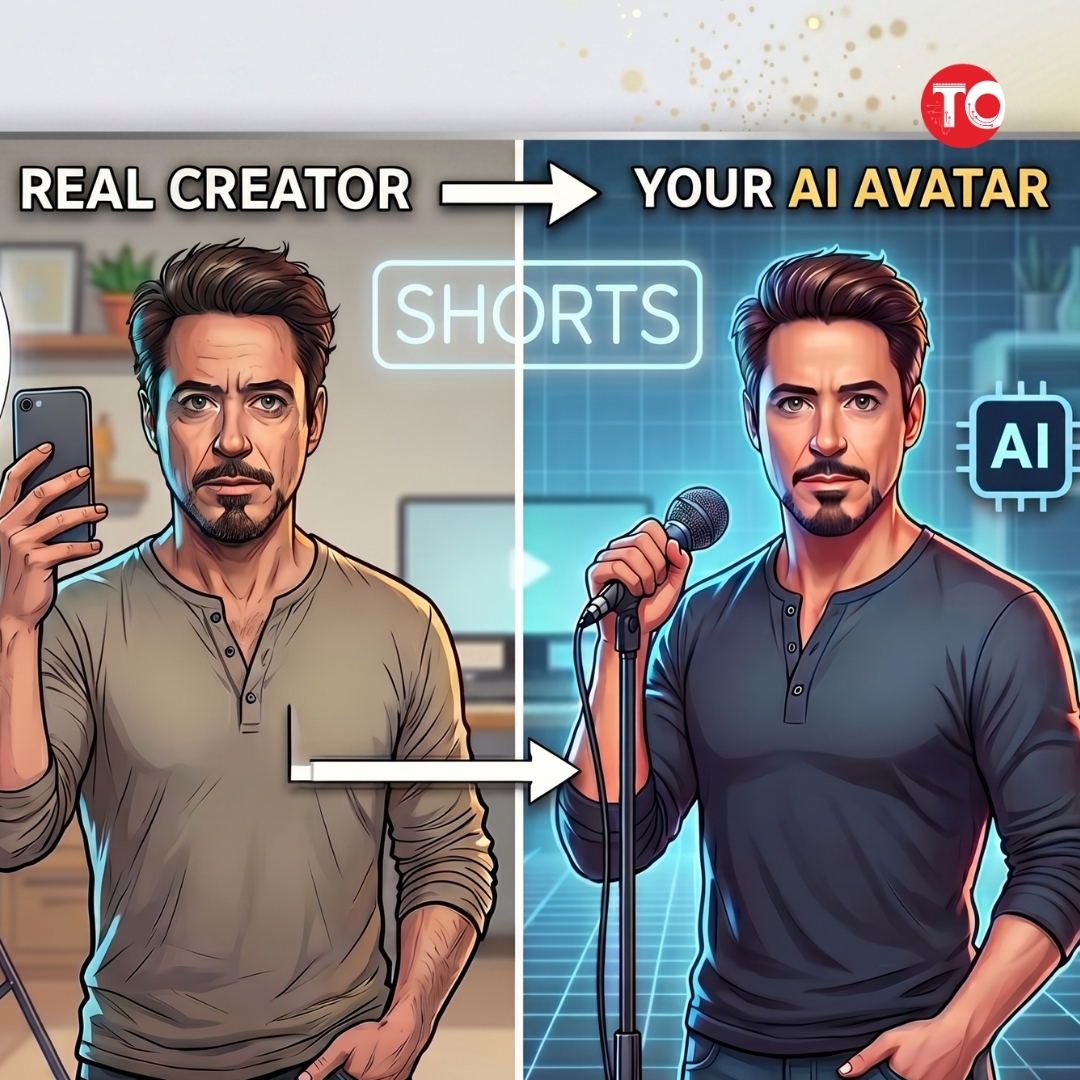
YouTube has officially rolled out a groundbreaking feature that allows creators to generate AI-powered avatars of themselves for YouTube Shorts. This new tool, powered by Google's Veo models, enables the creation of photorealistic digital twins that mimic a creator’s specific voice and physical appearance. The move is designed to simplify content production, allowing creators to appear in videos without needing to be in front of a camera for every single shot.
The process is built on a "live selfie" capture system. To set up an avatar, users must be at least 18 years old and own an active YouTube channel. They record a brief video of themselves following on-screen prompts, which the system uses to learn their unique facial expressions and vocal patterns. This data is then used to build a secure, private avatar that only the account owner can utilize.
Key Features and Controls
- Prompt-Based Scenes: Creators can generate entirely new scenes or insert their avatar into existing Shorts using text prompts.
- Duration: Currently, the tool generates clips up to 8 seconds long, though multiple clips can be sequenced to create a full Short.
- Voice Replication: Unlike previous image-based tools, this feature includes advanced voice cloning, allowing the avatar to speak the creator's scripted lines naturally.
- Security & Safety: YouTube has implemented strict guardrails, including SynthID watermarks and C2PA metadata, to clearly label content as AI-generated.
- Data Privacy: Creators maintain full control; they can delete their avatar data at any time. YouTube will also automatically purge data after three years of inactivity.
While the feature is currently exclusive to the Shorts format and unavailable to users in Europe due to local regulations, it represents a major shift in digital expression. By blurring the line between real and synthetic content, YouTube is offering Omani creators and the global community a way to scale their creativity while maintaining a highly personal connection with their audience.