


The Middle East is going through a powerful digital transformation, and at the heart of this change are women who are steadily reshaping the technology landscape. For many years, the tech industry in the region was seen as a male-dominated space, but today that perception is changing. Women are not only entering the field in greater numbers, they are also leading companies, launching startups, and influencing innovation across sectors such as artificial intelligence, fintech, cybersecurity, and digital media. Their presence is no longer an exception; it is becoming a defining force in the region’s future.
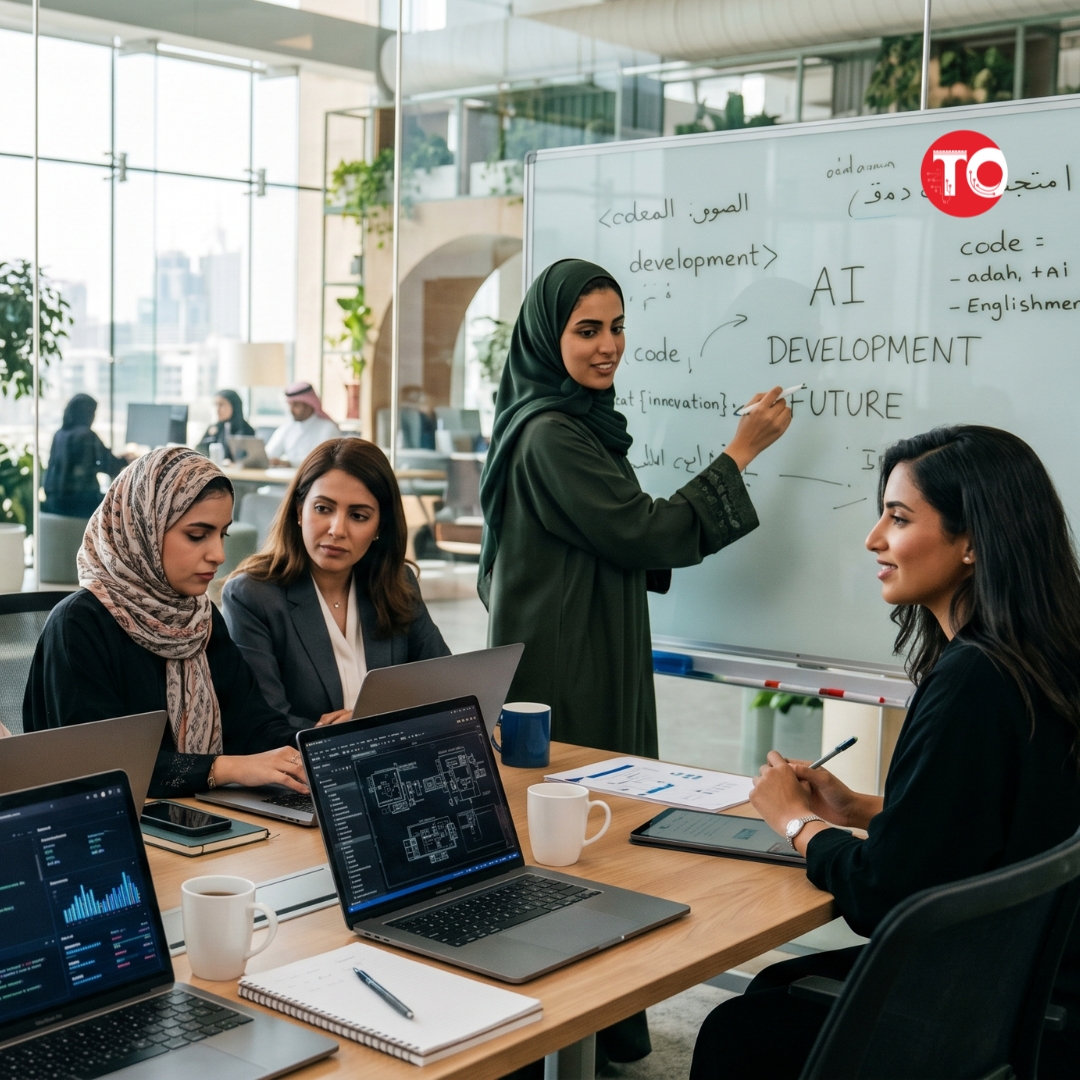
Education has played a major role in this shift. Across countries like the UAE, Saudi Arabia, and Qatar, more women are pursuing degrees in science, technology, engineering, and mathematics. Universities are seeing higher female enrollment in tech-related programs, and many governments are actively encouraging this growth. This strong academic foundation is translating into real-world impact, with women stepping into roles as engineers, developers, data scientists, and tech entrepreneurs. The new generation is more confident, more skilled, and more ready than ever to take on leadership roles.
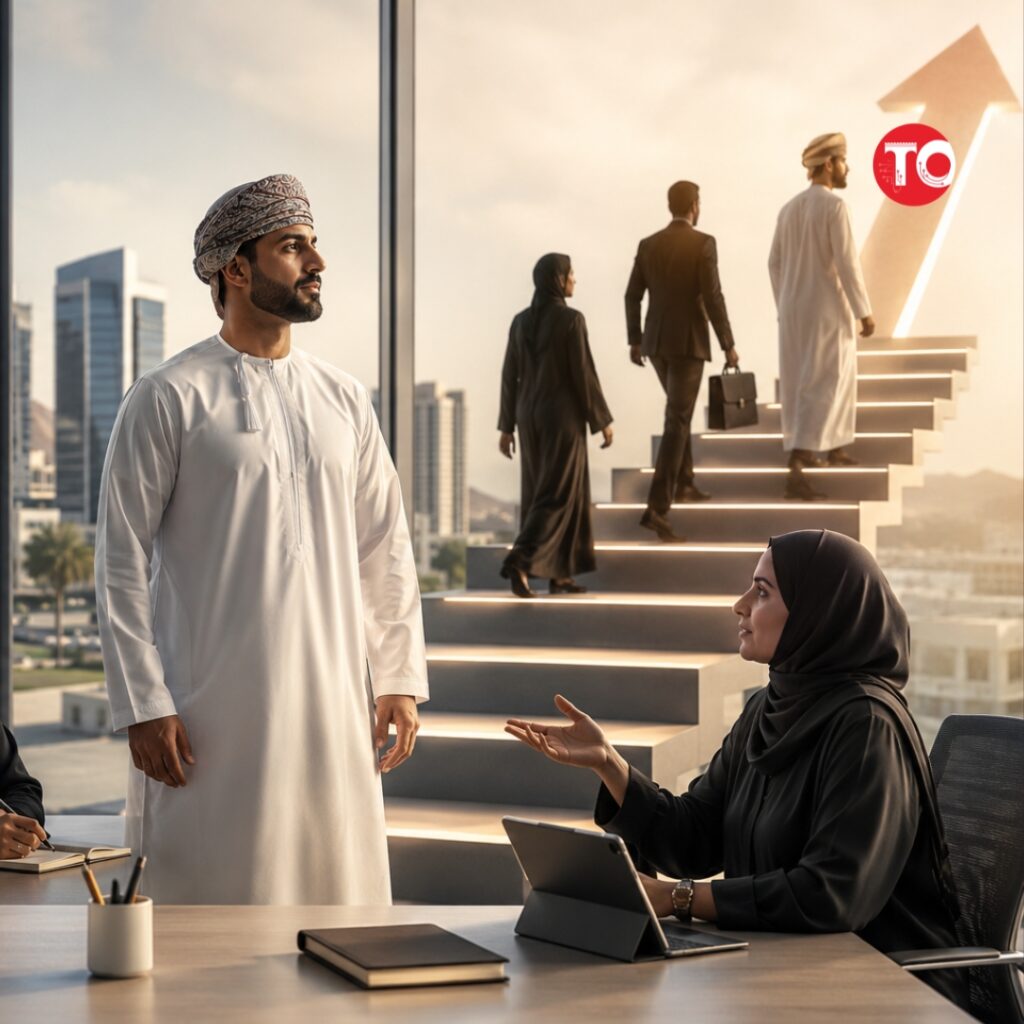
Leadership is one of the most exciting areas of change. Women in the Middle East are now leading major technology initiatives, heading digital transformation projects, and shaping policies that influence entire industries. Their leadership style often brings a strong focus on collaboration, long-term thinking, and inclusive growth. This is helping organizations build cultures that are not only innovative but also sustainable. As more women rise to leadership positions, they are also creating opportunities for others, mentoring young talent and building strong networks that support growth.
Inclusion remains a key part of this journey. While progress is clear, challenges still exist, including cultural expectations and limited access in some areas. However, there is a growing awareness across both public and private sectors about the importance of diversity in driving innovation. Companies are now investing in inclusive hiring practices, flexible work environments, and leadership development programs specifically designed for women. This shift is not just about fairness; it is about recognizing that diverse teams create better solutions and stronger businesses.
Another important factor is the rise of women entrepreneurs in tech. Across the Middle East, women are launching startups that are solving real problems, from digital health platforms to e-commerce solutions and financial technology services. These ventures are not only contributing to economic growth but are also changing how technology is used in everyday life. Women founders are bringing fresh perspectives and are often more focused on community impact, making their innovations both meaningful and scalable.
Government support has also played a significant role in accelerating this movement. Many countries in the region have introduced national strategies to increase women’s participation in the workforce, especially in technology. Initiatives focused on digital skills, startup funding, and leadership training are helping women access opportunities that were once out of reach. These efforts are creating an ecosystem where women can grow, lead, and succeed.
The future of women in tech in the Middle East looks strong and full of possibility. As more women step into the industry and into leadership roles, they are not only breaking barriers but also building a new narrative. A narrative where talent, innovation, and ambition are not limited by gender. This transformation is not just changing the tech industry; it is shaping the future of the region itself.