



Tesla and SpaceX Unveil Next-Generation Roadster Mobility Prototype
Tesla has officially demonstrated its long-awaited next-generation Roadster, showcasing an ambitious fusion of electric vehicle engineering and SpaceX aerospace technology. Revealed during a public demonstration, the high-performance electric vehicle incorporates advanced mechanical systems designed to challenge conventional automotive performance metrics. By integrating specialized cold-gas thrusters and aerodynamic propulsion mechanisms directly into the chassis, Tesla and SpaceX aim to redefine high-speed acceleration and dynamic vehicle control for extreme performance transport.
Radical Engineering Integration and Extreme Performance Metrics
The demonstrated vehicle architecture features extreme mechanical specifications engineered through cross-industry collaboration between automotive and aerospace teams. Key technical capabilities highlighted during the unveiling include:
- Sub-Second Acceleration: Achieves zero to 60 mph in under one second utilizing combined electric torque and pressurized air propulsion.
- Inverted Ground Support Systems: Utilizes high-power underbody suction fans designed to create extreme downforce for inverted ramp driving.
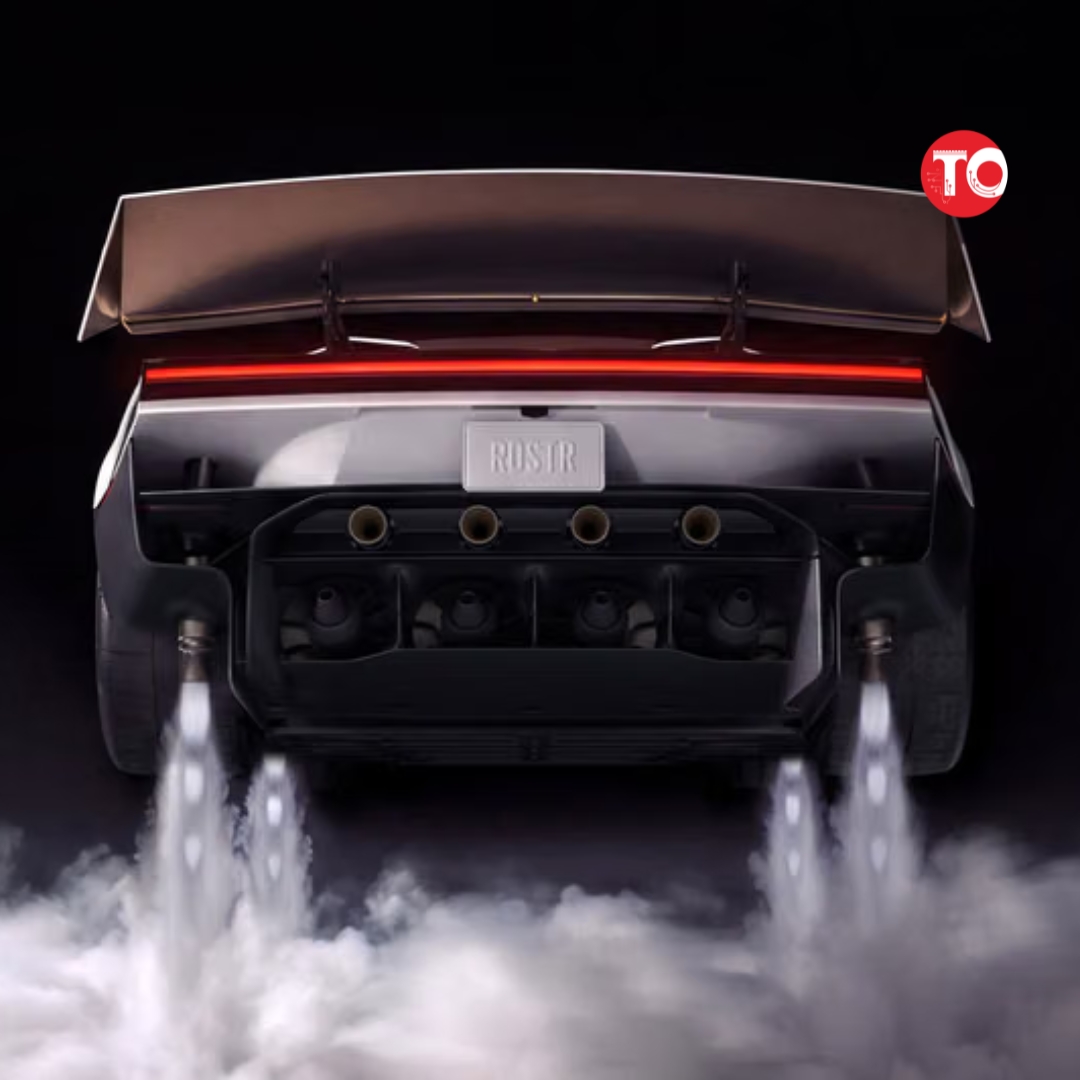
- Cold-Gas Atmospheric Thrusters: Features built-in SpaceX cold-gas thrusters capable of delivering brief mid-air stabilization, short vertical hops, and rotational maneuvers.
- Tiered Performance Models: Announced across specialized production tiers, including Performance, Thrust, and extreme Rocket variants.
Aerospace Mechanics Applied to Electric Propulsion Systems
Incorporating rocket technology into a land-based passenger chassis required significant redesigns of thermal management, energy distribution, and pneumatic control frameworks. High-pressure composite overwrapped pressure vessels (COPV) supply the thruster nozzles, releasing compressed gas to generate directional force independently of tire friction. Managing these instantaneous power bursts requires dedicated software algorithms operating alongside traditional traction control platforms to maintain stability during extreme acceleration vectors.
Broader Implications for Global Automotive Innovation
The collaboration between Tesla and SpaceX signals a major shift in how ultra-high-performance vehicles leverage non-traditional propulsion frameworks. Demonstrating atmospheric thrusters and active pneumatic ground-effect fans pushes automotive manufacturers to explore beyond conventional battery-electric and internal combustion setups. While regulatory clearance and commercial delivery timelines remain key factors for street-legal rollout, the engineering concepts established by the prototype set a bold precedent for future experimental transportation systems.
Reshaping High-Performance Transport Frameworks
Ultimately, the official unveiling of the Tesla-SpaceX Roadster prototype represents a landmark intersection of space technology and modern electric mobility. Demonstrating functional cold-gas thruster integration inside a passenger car showcases the potential of cross-disciplinary aerospace design in consumer transportation. As automotive engineers evaluate these technological breakthroughs, the project continues to push the boundaries of extreme acceleration, active aerodynamics, and future performance vehicle engineering.