

Oman Joins Eurasian Development Bank as First Gulf Member
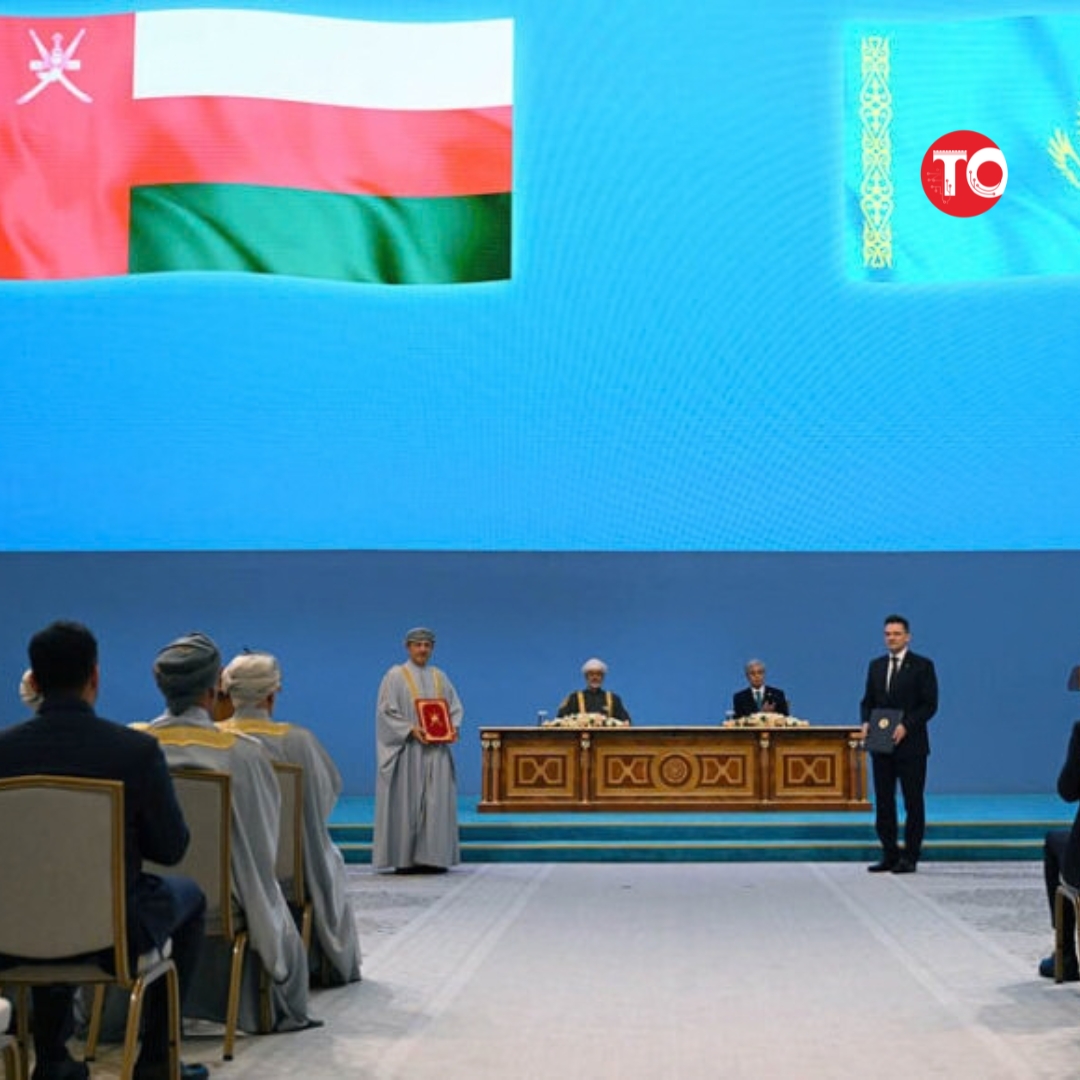
The Sultanate of Oman has signed an agreement with the Eurasian Development Bank (EDB) outlining the terms of the institution's official presence in the Sultanate. Signed in Astana during the official state visit of Sultan Haitham bin Tariq Al Said to Kazakhstan, the landmark accord paves the way for Oman to become the eighth shareholder of the bank. By acquiring an equity stake, Oman officially becomes the first member state from the Gulf region to join the multilateral development institution, expanding the bank's operational footprint beyond its traditional Eurasian geographic scope.
Signing Ceremony and High-Level Diplomatic Engagement
The institutional agreement was formally executed by Oman’s Minister of Finance, Sultan bin Salim Al Habsi, and Nikolai Podguzov, Chairman of the Management Board of the Eurasian Development Bank. Held in the presence of Sultan Haitham bin Tariq Al Said and President of Kazakhstan Kassym-Jomart Tokayev, the signing ceremony highlighted deep bilateral commitment toward building cross-border financial frameworks. The strategic move establishes a direct operational framework for the bank within Oman, cementing economic channels between Central Asia and Middle Eastern financial capital.
Expanding Cross-Border Trade and Infrastructure Links
Joining the Eurasian Development Bank serves to strengthen trade, logistics, and investment linkages connecting the Gulf Cooperation Council (GCC) with Eurasia. With an accumulated investment portfolio of 348 projects totaling over $22.1 billion, the EDB focuses heavily on strategic infrastructure, digital systems, renewable energy, and agricultural supply chains. Facilitating direct collaboration between Omani state funds, such as the Oman Investment Authority, and Eurasian financial entities accelerates regional integration along key trade corridors.
Advancing Macroeconomic Diversification and Oman Vision 2040
For Oman, joining a major multilateral development institution supports national economic diversification strategies under Oman Vision 2040. Accessing Eurasian markets offers Omani commercial entities expanded opportunities for non-oil trade, joint industrial ventures, and foreign direct investment flow. The partnership also enables co-financing mechanisms for large-scale logistics and transport initiatives, aligning domestic infrastructure investment with broader interregional supply chain networks.
Shaping the Interregional Financial Landscape
Ultimately, Oman's entry into the Eurasian Development Bank marks a significant structural shift in relations between Central Asia and the Gulf region. Establishing a shared institutional foundation allows regional governments to combine capital reserves, technical expertise, and cross-border connectivity frameworks. As the bank executes its multi-year development strategy, incorporating Gulf leadership enhances institutional liquidity while opening new avenues for sustainable economic collaboration across Eurasia and the Middle East.