



Arab Open University Research Examines Social Media Usage in Oman
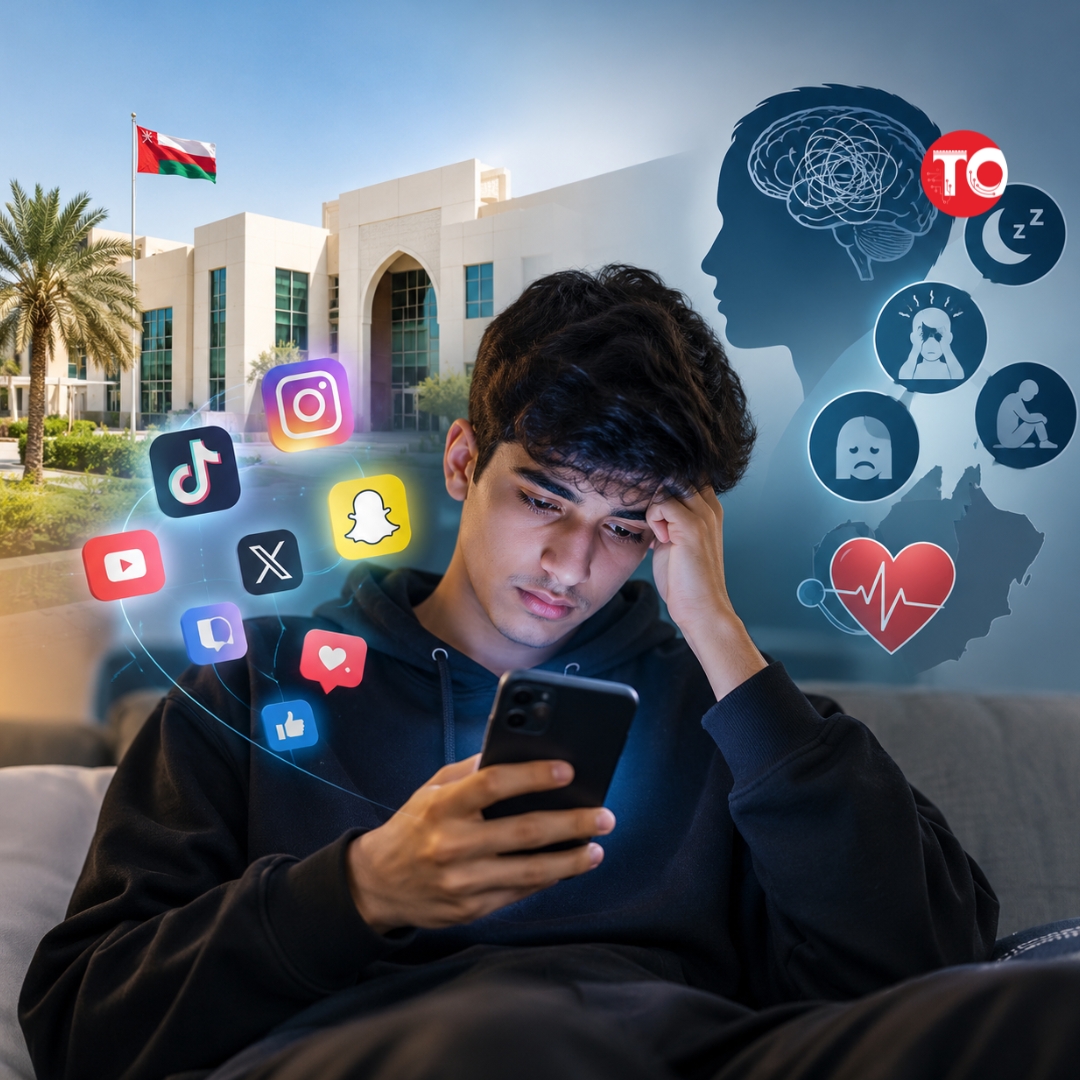
A comprehensive study conducted by researchers at the Arab Open University explores the growing influence of social media platforms on young adults aged 18 to 25 across Oman. While digital channels provide essential avenues for modern communication, community building, and information sharing, researchers emphasize that intensive daily usage presents severe risks to young demographic groups. The findings highlight a complex dynamic where routine digital connectivity supports interpersonal relationships while simultaneously introducing physical and psychological health burdens that require structured institutional intervention.
Physical and Psychological Health Challenges Among Young Adults
The research identifies direct connections between excessive screen exposure and widespread health difficulties among Omani youth. Prolonged engagement with digital feeds correlates strongly with elevated anxiety, feelings of isolation, digital fatigue, and reduced sleep quality. On a physical level, continuous device reliance frequently manifests as eye strain, chronic headaches, and overall lower levels of physical activity. These compound effects create compounding wellness challenges, disrupting academic focus, personal routine, and long-term lifestyle habits among young adults.
Expert Recommendations for Personal Screen Time Management
To mitigate the adverse effects of prolonged digital exposure, wellness experts advise young users to establish conscious self-regulation habits. Recommended practices include monitoring daily screen hours, scheduling routine breaks throughout extended browsing sessions, and intentionally cutting back on late-night phone usage. Additionally, maintaining consistent physical exercise and offline social engagement serves as a critical buffer against digital fatigue. Encouraging young individuals to recognize early signs of technology dependence helps restore equilibrium between virtual interactions and real-world responsibilities.
Institutional Guidance Across Educational and Family Environments
The study emphasizes that addressing youth digital well-being requires collaborative efforts across households and educational institutions. Schools and universities are urged to integrate comprehensive digital literacy programs that teach students how to navigate social platforms responsibly while critically evaluating online environments. Simultaneously, families are encouraged to foster open communication around screen time, creating supportive atmospheres where young adults can discuss cyberstress, peer expectations, and online pressures without immediate judgment.
Developing Frameworks for Sustainable Digital Lifestyle Habits
Ultimately, the findings from the Arab Open University underline the importance of balancing technological connectivity with healthy daily living. Promoting digital awareness and personal boundary-setting ensures that young adults can enjoy the communicative benefits of modern platforms without sacrificing their long-term health. As digital integration continues to deepen across the Sultanate, establishing structured guidelines and open community discussions remains essential for fostering resilient, balanced future generations.