



Pakistan and Oman Sign Bilateral Visa Exemption Agreement
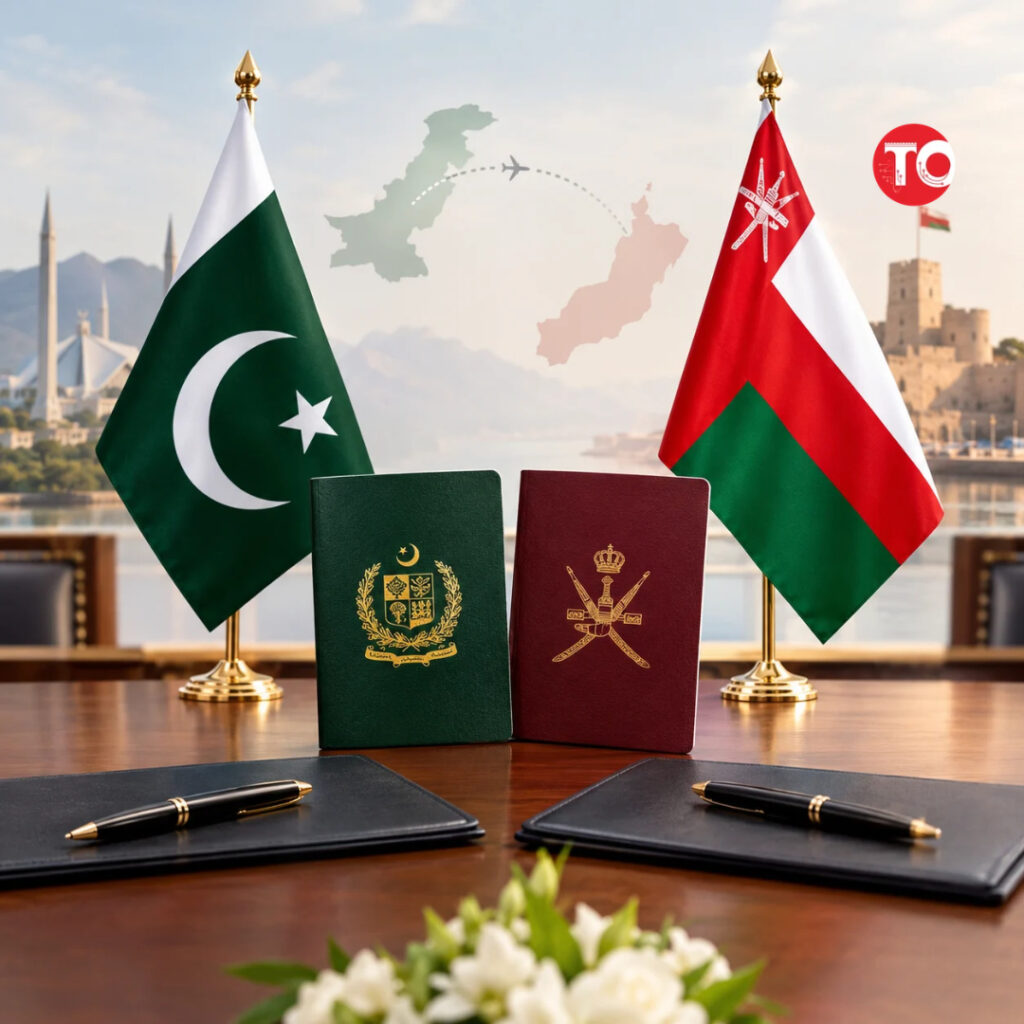
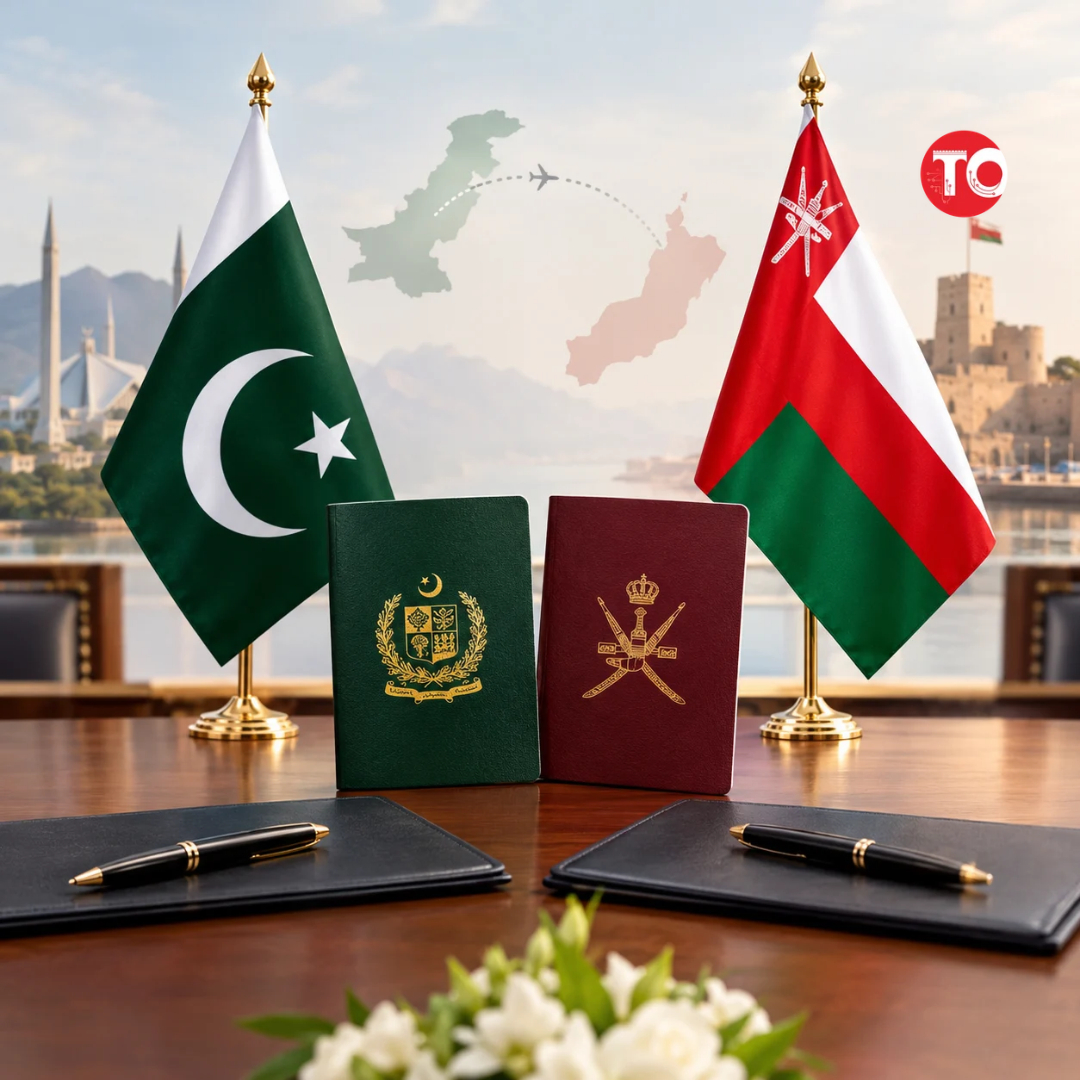
The Islamic Republic of Pakistan and the Sultanate of Oman have officially signed a mutual visa exemption agreement to facilitate official travel between the two nations. The pact was finalized during high-level diplomatic discussions in Islamabad at the eighth session of the Pakistan-Oman Joint Ministerial Commission. Representing their respective governments, Omani Foreign Minister Sayyid Badr bin Hamad Al Busaidi and Pakistan’s Deputy Prime Minister and Foreign Minister Mohammad Ishaq Dar signed the framework to strengthen institutional coordination and diplomatic engagement.
Scope of the Agreement and Targeted Passport Classifications
The newly established visa exemption framework applies specifically to holders of diplomatic, special, service, and official passports. Designed to streamline official state visits and administrative exchanges, the agreement does not extend a general visa-free travel arrangement to ordinary passport holders. By removing procedural entry barriers for government officials, diplomats, and authorized service personnel, both countries aim to accelerate bilateral dialogue and simplify cross-border administrative coordination.
Expanding Strategic Cooperation in Information Technology and Telecommunications
Alongside the visa exemption protocol, both delegations signed multiple memoranda of understanding (MoUs) focusing on technology, media, and institutional archives. The digital cooperation agreements outline structured frameworks for collaboration between Omani and Pakistani authorities in telecommunications, information technology, broadcasting, and news exchange. These tech-focused initiatives seek to promote technical expertise sharing, digital infrastructure growth, and enhanced communication channel integration across both jurisdictions.
Fostering Workforce Mobility and Economic Partnership
Discussions during the Joint Ministerial Commission also emphasized broadening economic ties, maritime logistics cooperation, and workforce mobility. Both ministerial counterparts reviewed avenues to expand employment opportunities for skilled personnel, encourage bilateral trade delegations, and increase investments across industrial and energy sectors. Strengthening people-to-people connections and institutional frameworks remains a central priority as both nations look to deepen long-term regional cooperation.
Strengthening Bilateral Relations and Regional Stability
Ultimately, the signing of the visa exemption agreement and technological MoUs marks a significant milestone in diplomatic relations between Islamabad and Muscat. Establishing formal channels for seamless official mobility and digital collaboration builds a resilient foundation for future bilateral agreements. As both governments implement these strategic pacts, the enhanced partnership will continue to support shared economic, technological, and diplomatic aspirations across the region.