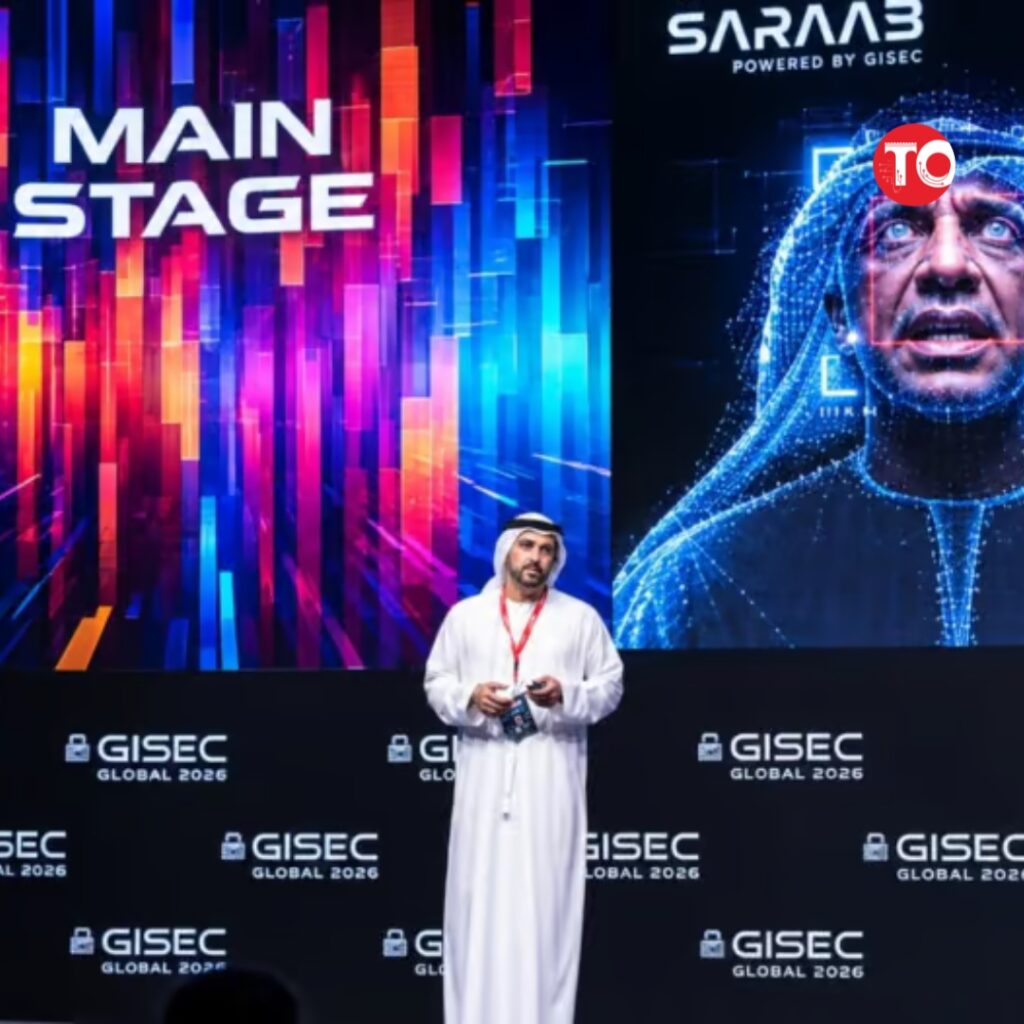



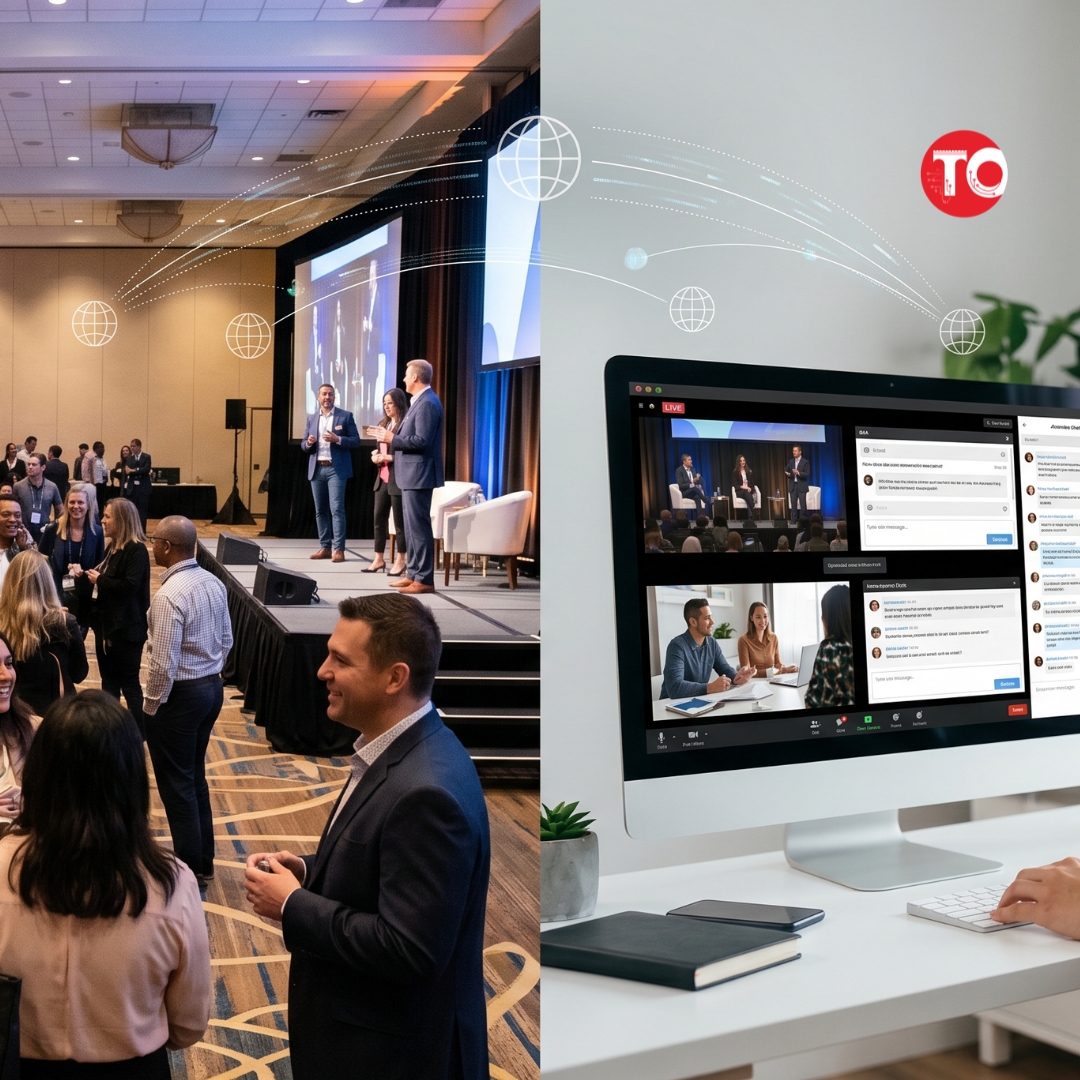
The dynamics of the events industry have changed significantly in recent years. Once merely about physical gatherings, the industry now mainly revolves around the synthesis of both in-person and online experiences. Due to the unique demands of the market, hybrid events have legitimately become a vital element of the future of business events. The crowning feature of a hybrid event is the flexibility it affords its attendees. With a hybrid event, attendance can be either physical or digital. As a result, a whole range of potential attendees can be given access to the event, including those with limitations placed on them by time or financial constraints.
With hybrid events, the potential for an event's reach is virtually limitless. As opposed to a physical event which will always be capped by a venue's size and location, a hybrid event can reach thousands of audiences around the world simultaneously. As a result, hybrid events can help businesses cultivate a competitive edge.
Lastly, hybrid events have shown that enhancing an event with a live stream component is no substitute for a quality hybrid experience. The hallmark of a worthy hybrid experience is engagement. Virtual attendees must feel as if they are an active part of the event, not passive viewers. Planning is key for successful hybrid events. Organizers should consider both sides of the audience and ensure that in-person and virtual components are valuable. This may consist of live Q&As, virtual networking, online polls, chat features, breakout groups, and materials from the event.
To execute any successful hybrid event, the technology utilized must be top quality. Digital production and user-friendly technology are essential, along with good audio and video quality, and stable internet. Technology that does not function properly fails the event. Content is also extremely important. Many presentations that work for in-person conferences may not work for virtual audiences, who are known for having shorter attention spans. To maintain interest, Hybrid events should implement concise presentations, engaging speakers, and interactive content.
Events are often attended for networking opportunities. Successful hybrid events implement opportunities for both in-person and digital attendees. This may consist of virtual meeting spaces, AI matchmaking, and one-on-one meeting booking. Despite only reaching both virtual and in-person audiences, Sponsors of Hybrid events benefit because attendees can still access branded materials and join sponsored content digital presentations.
Hybrid events also provide analytics and attendance data. Organizers can analyze audience engagement and desired interactions. This data is beneficial for understanding the audience and predicting what they are interested in for future events.
An important consideration is the sense of community. Attendees at the conference, wherever they might be, want to feel they are part of the same event. To achieve this, effective design, holistic communication, and active participation must be employed.
In many ways, hybrid-style events are more sustainable. Flexible travel reduces both costs as well as the environmental impact of the event, while accessibility improves for a larger potential audience.
The future of events is what can be better described as flexible, interconnected, and experience-oriented, rather than being only in-person or completely virtual. Understanding how to provide engaging flexible experiences will allow businesses to be the most successful at audience engagement and value creation.
With the ability to combine in-person engagement and digital accessibility, flexible events allow for memorable experiences beyond virtual or in-person events. Flexible events represent an opportunity to provide memorable experiences rather than simply engage audiences.