



Google and Blue Origin Join Forces on Orbital Computing Infrastructure
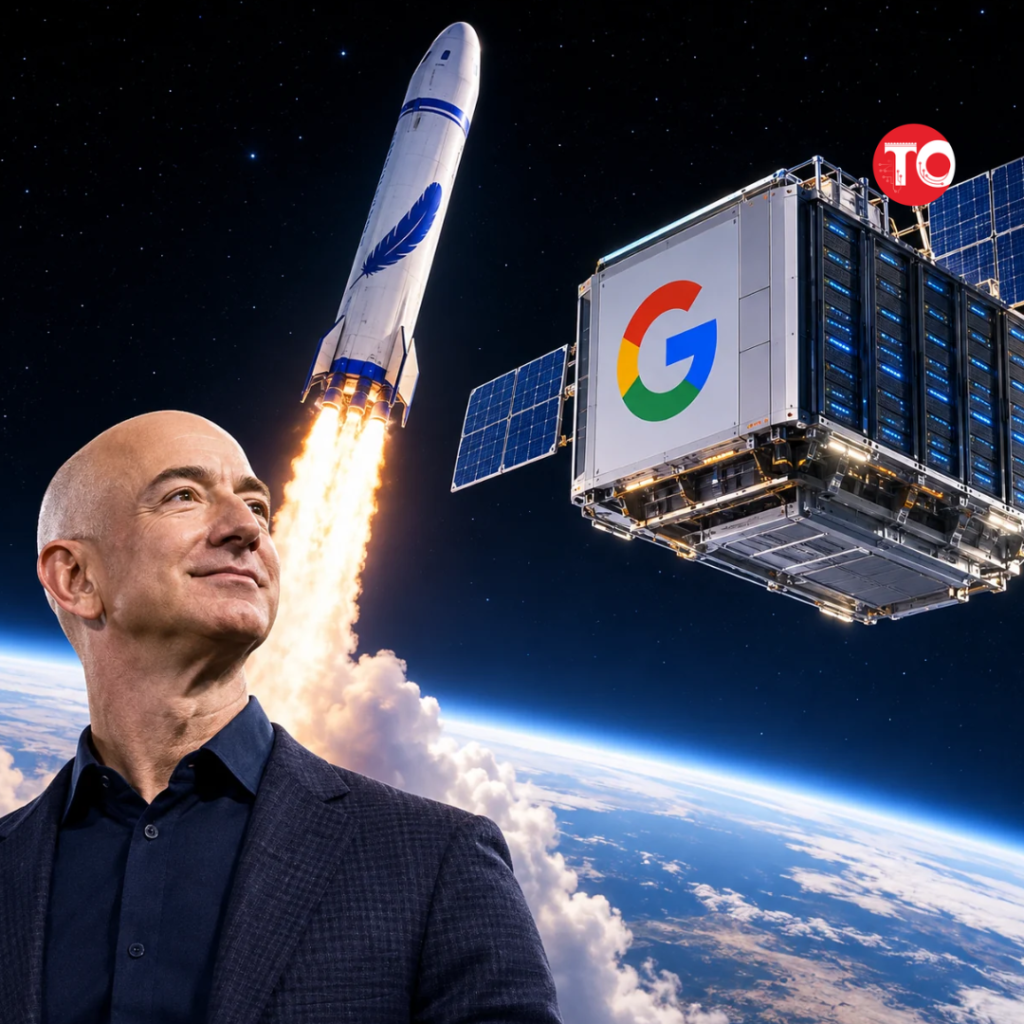
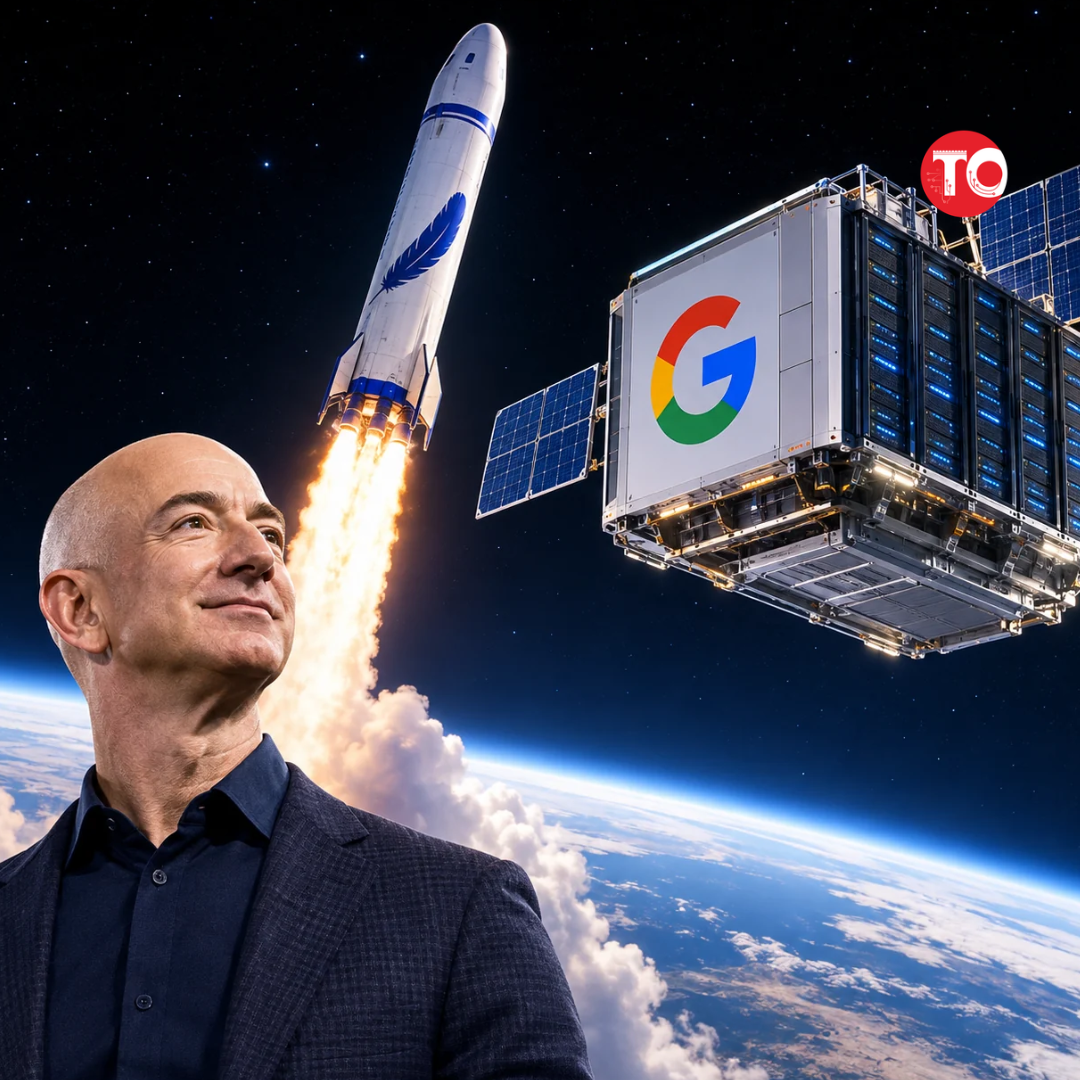
Technology giant Google has entered a landmark partnership with Blue Origin, the private aerospace company founded by Jeff Bezos, to design and deploy artificial intelligence data centres directly in space. Bringing together Google’s advanced AI hardware engineering and Blue Origin’s orbital launch and spacecraft capabilities, the initiative aims to move high-density compute infrastructure beyond Earth’s atmosphere. As artificial intelligence workloads strain terrestrial electrical grids, water supplies, and land availability, placing compute clusters in orbit represents an ambitious architectural leap for next-generation cloud infrastructure.
Strategic Drivers and Technical Architecture of Orbital Data Centres
Moving AI compute infrastructure into low-Earth orbit addresses several physical bottlenecks inherent to conventional ground-based data centres while introducing distinct aerospace engineering requirements:
- Continuous Solar Energy Harvesting: Orbital satellites equipped with large solar arrays can capture uninterrupted, high-intensity solar power outside Earth’s atmosphere, eliminating reliance on terrestrial power grids and fossil fuels.
- Radiative Thermal Management: Deep space provides an immense natural heat sink, allowing high-performance AI chips to dissipate thermal loads via radiative cooling rather than consuming millions of gallons of water.
- Heavy-Lift Launch Integration: Blue Origin’s orbital launch vehicles—such as its New Glenn rocket architecture—provide the heavy payload capacity needed to transport modular compute satellites into orbit.
- High-Speed Optical Interlinks: Orbital data centres rely on laser-based inter-satellite links and high-bandwidth ground stations to transmit processed AI insights back to Earth with minimal latency.
Overcoming Terrestrial Energy and Land Constraints for AI
The rapid expansion of generative AI and frontier model training has triggered unprecedented electricity and cooling demands across global data centre hubs. By collaborating with Blue Origin, Google is exploring off-planet infrastructure as a long-term solution to decouple AI scaling from Earth’s resource limitations. Rather than competing for strained municipal power capacity or scarce industrial land, orbital compute nodes offer a scalable pathway to sustain exponential growth in artificial intelligence processing.
Accelerating the Commercial Space and Orbital Edge Computing Race
The partnership underscores a major convergence between hyperscale cloud computing and commercial spaceflight, placing Google and Blue Origin alongside emerging orbital compute initiatives from aerospace and tech rivals. Combining Blue Origin’s reusable rocket economics with Google’s custom silicon and distributed systems expertise transforms orbital space from a pure telecommunications and Earth-observation domain into an active cloud computing frontier.
Redefining the Future of Global Cloud Infrastructure
Ultimately, the collaboration between Google and Blue Origin marks a bold step toward extending humanity’s digital backbone into orbit. While technical challenges such as radiation hardening, hardware maintenance, and launch cadence remain active areas of engineering focus, orbital AI data centres could fundamentally reshape how large-scale computing is powered and deployed in the decades ahead.