


Standard Chartered Projects Strong Economic Expansion Across Oman
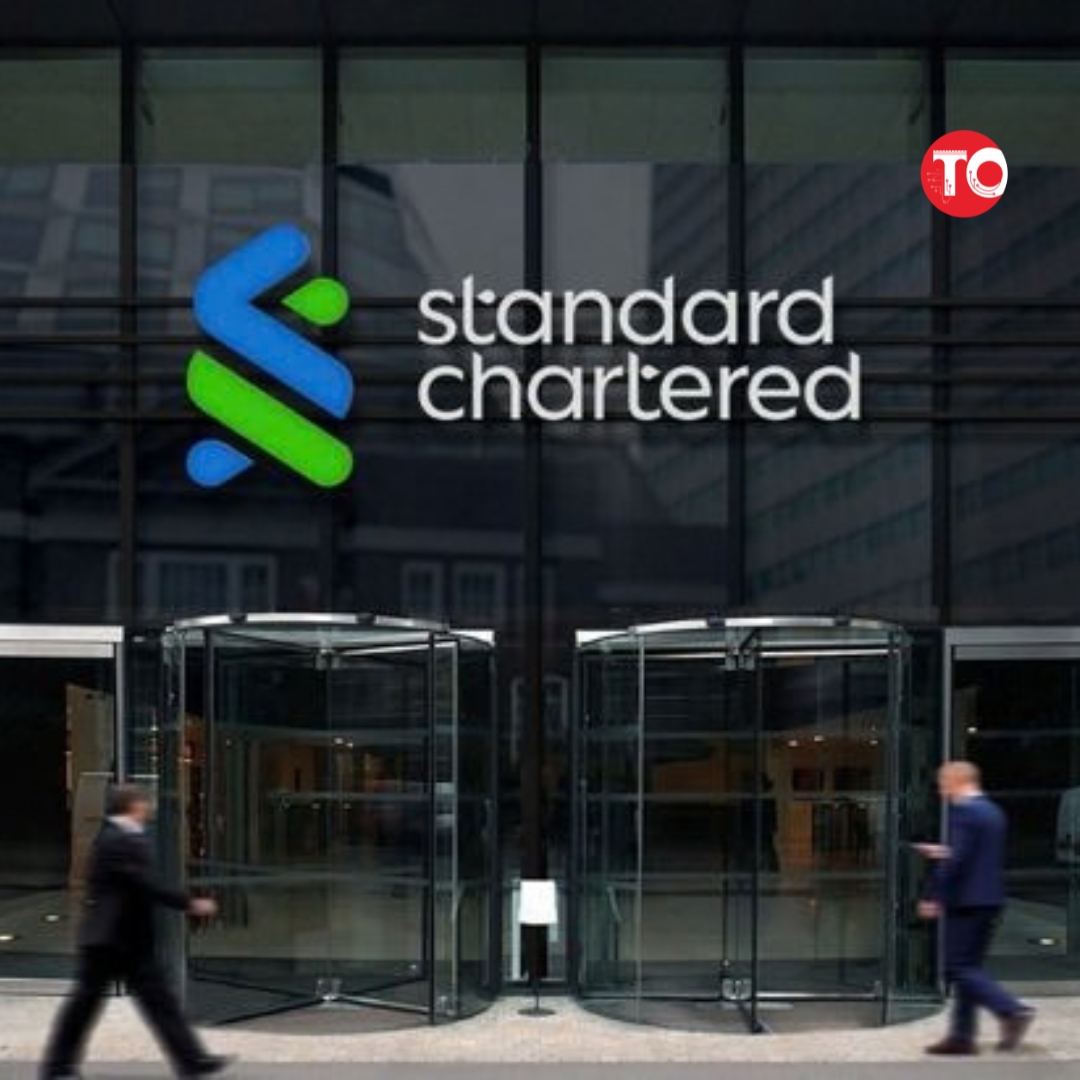
Standard Chartered has projected that Oman’s economy will grow by 3.5% in both 2026 and 2027, driven by robust non-oil economic activity and a positive contribution from hydrocarbon production. According to a recent assessment by the international banking institution, non-oil growth is expected to remain resilient, buoyed by expanding logistics, manufacturing, and sustained public sector investment linked to Oman Vision 2040. Hussain Al Yafai, CEO and Head of Coverage at Standard Chartered Oman, noted that the Sultanate is entering its next phase of national development from a significantly stronger macroeconomic position.
Substantial Upgrades to Fiscal Surplus, Current-Account, and Debt Reduction Targets
The bank sharply upgraded its projections for Oman’s key fiscal indicators, highlighting accelerating balance sheet health:
- Elevated Fiscal Surpluses: Fiscal surplus forecasts were raised to 4.6% of GDP in 2026 and 3.6% in 2027, up significantly from previous estimates of 0.5% and 1.0%.
- Expanded Current-Account Surpluses: Current-account surplus projections were revised upward to 5.0% of GDP in 2026 and 3.4% in 2027, up from earlier forecasts of 1.0% and 1.5%.
- Steep Public Debt Reduction: Public debt is projected to fall to approximately 33% of GDP by the end of 2026 and decrease further to 31% by the end of 2027.
- Core Sector Momentum: Strategic capital investments will continue prioritizing logistics networks, manufacturing zones, re-export operations, and energy-linked infrastructure.
Capitalizing on Shifting Regional and Global Supply Chains
Standard Chartered emphasized that evolving global trade dynamics and supply chain realignments present major strategic opportunities for the Sultanate. As international investors seek secure, resilient trade corridors, Oman's geographic position outside the Strait of Hormuz, neutral diplomatic posture, and low exposure to direct regional conflict strengthen the appeal of its maritime ports and industrial hubs. Al Yafai highlighted that Oman’s competitive edge increasingly centers on strategic connectivity and infrastructural resilience, offering international firms an ideal platform to deepen regional links.
Converting Macroeconomic Resilience into Sustainable Diversification
Optimizing fiscal and external balances provides a firm foundation to direct capital toward high-value non-oil sectors that accelerate long-term economic diversification. The focus remains on translating current fiscal strength into broader, highly durable economic performance that protects the nation from global market volatility. Expanding re-export capacity, scaling industrial free zones, and modernizing logistics infrastructure position Oman to capture a larger share of regional trade flows while fostering domestic job creation and private sector expansion.
Solidifying Economic Transformation Aligned with Oman Vision 2040
Ultimately, Standard Chartered's optimistic growth outlook underscores the efficacy of the structural economic reforms executed under Oman Vision 2040. Achieving sustained 3.5% annual GDP growth while simultaneously reducing public debt reinforces international investor confidence in the Sultanate’s fiscal management. As investment momentum accelerates across logistics, manufacturing, and energy infrastructure, Oman continues to consolidate its position as a resilient, connected, and dynamic economic gateway for global commerce.