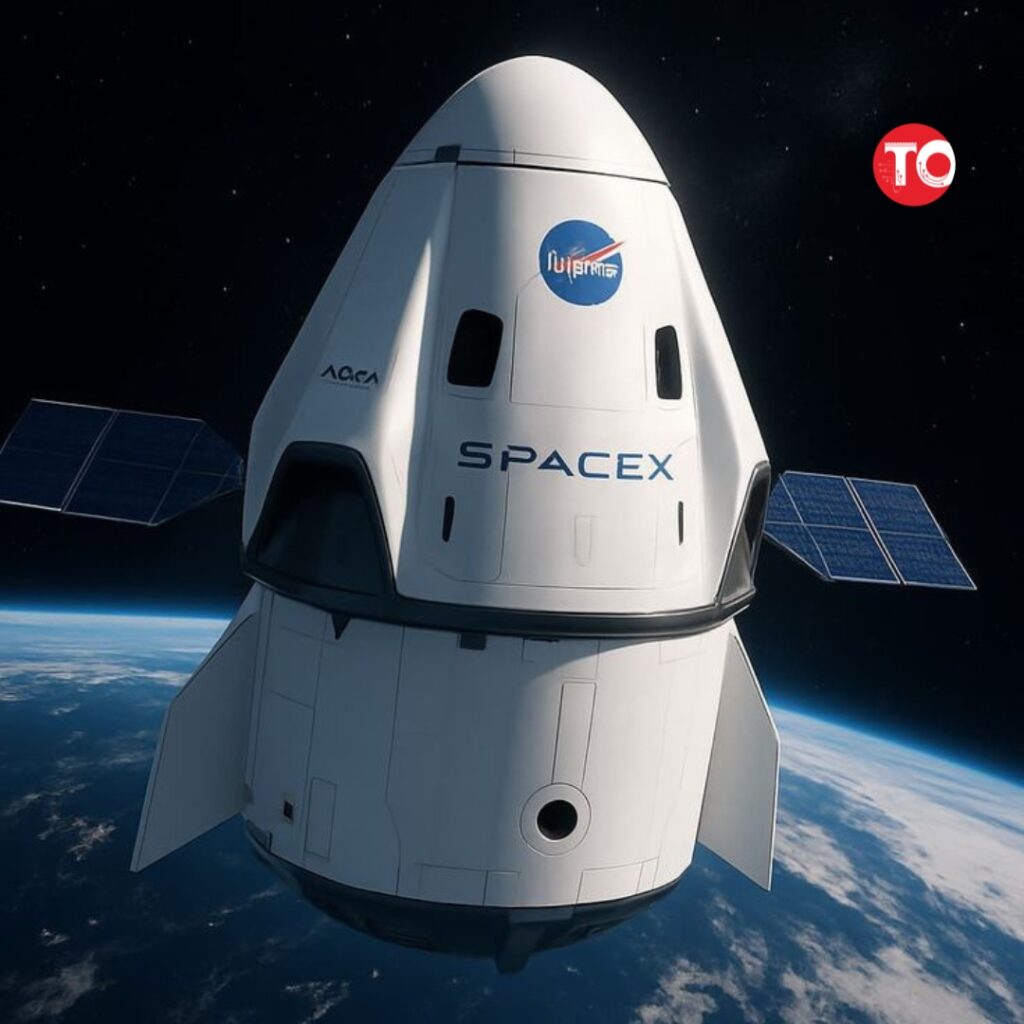




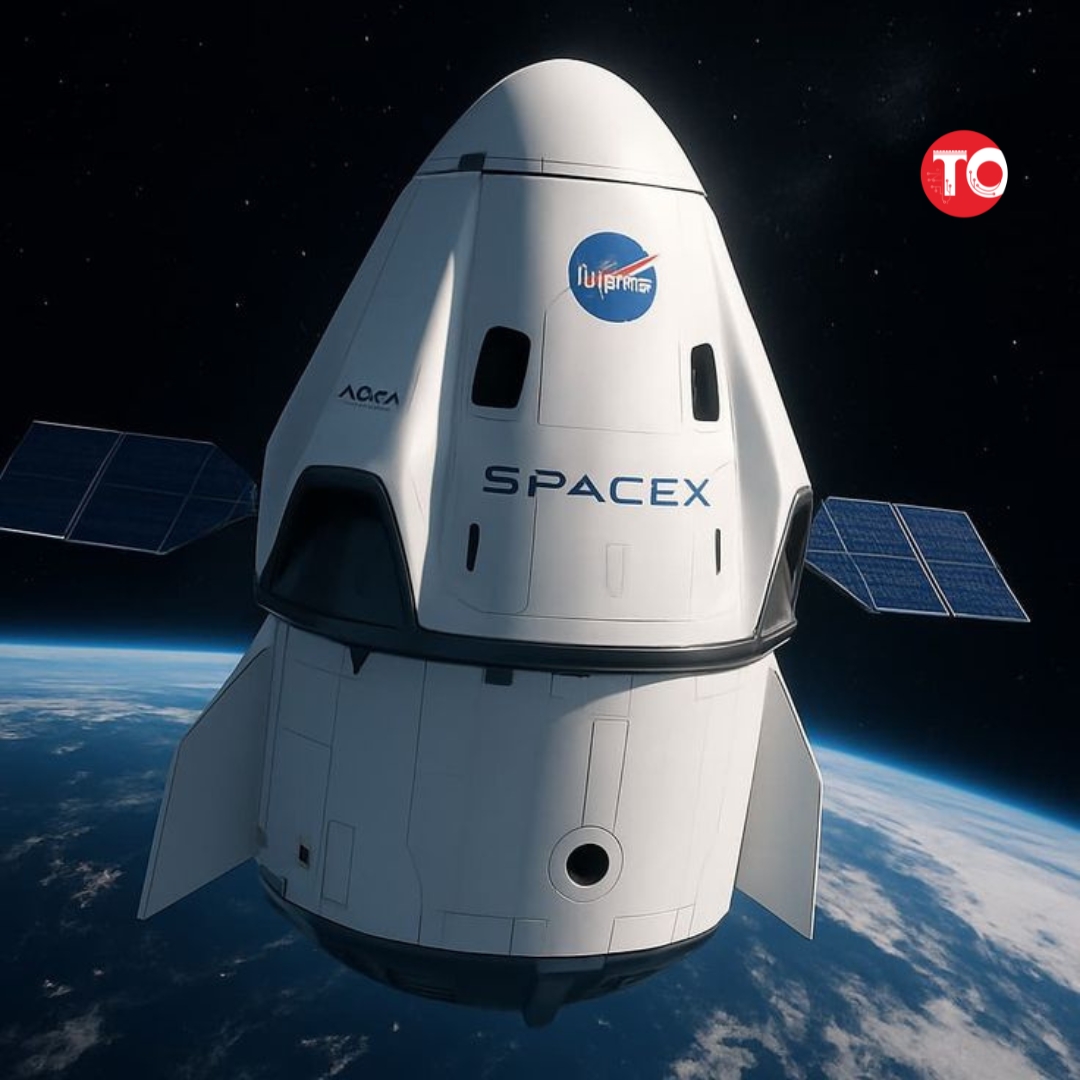
SpaceX Achieves Historic Milestone as Starship Enters Earth Orbit
SpaceX has successfully sent its massive Starship rocket into Earth orbit for the first time during the vehicle's 14th integrated flight test. Unlike previous test launches that followed deliberate suborbital trajectories, Ship 41 executed a successful orbital insertion burn after stage separation, establishing a stable orbit at an altitude of approximately 275 kilometers. The historic mission marks a major leap forward for SpaceX’s fully reusable super-heavy launch system, demonstrating the vehicle's structural and propulsive capabilities in sustained spaceflight.
Key Achievements and On-Orbit Operational Deliverables
Flight 14 demonstrated critical technical milestones that advance the Starship program toward full operational commercial readiness:
- First Sustained Orbital Insertion: Ship 41 fired its upper-stage Raptor engines to achieve a sustained orbit around Earth for the first time in the program's history.
- Operational Payload Deployment: Successfully deployed 26 next-generation Starlink V3 broadband satellites, marking Starship's first commercial payload mission.
- Telemetry and Communication Contact: Confirmed full bidirectional communication with all 26 deployed Starlink satellites following orbital release.
- Super Heavy Booster Recovery Effort: The Super Heavy booster performed a course reversal maneuver toward a planned ocean splashdown following stage separation.
Transitioning Starship from Experimental Testing to Commercial Utility
Reaching orbit transforms Starship from an experimental prototype into an active commercial launch vehicle capable of transporting massive payloads into Low Earth Orbit (LEO). Deploying 26 third-generation Starlink V3 satellites showcases the rocket's internal payload bay and deployment mechanisms under real orbital conditions. Demonstrating routine, high-capacity payload integration provides a foundation for replacing smaller Falcon rockets with a single, high-capacity launch platform.
Supporting NASA's Artemis Lunar Program and Orbital Refueling Goals
Achieving sustained Earth orbit is a core prerequisite for NASA's Artemis program, which relies on a specialized Human Landing System (HLS) variant of Starship to return astronauts to the lunar surface. Establishing stable orbital operations allows SpaceX to begin testing complex on-orbit propellant transfer techniques between Starship vehicles, a critical requirement for long-duration missions to the Moon and Mars. Validating upper-stage flight dynamics in orbit brings humanity's deep-space exploration goals significantly closer to reality.
Driving Next-Generation Global Aerospace and Launch Infrastructure
Ultimately, Starship’s arrival in Earth orbit represents a monumental shift in global spaceflight capabilities. Unlocking super-heavy payload capacity drastically lowers the cost of placing heavy cargo, satellite constellations, and scientific infrastructure into space. As SpaceX moves forward with orbital re-entry testing and thermal shield evaluation, achieving orbit consolidates Starship's position as a cornerstone of next-generation global aerospace innovation.