


Bill Gates Issues Urgent Warning on AI Risks to Global Jobs and Safety
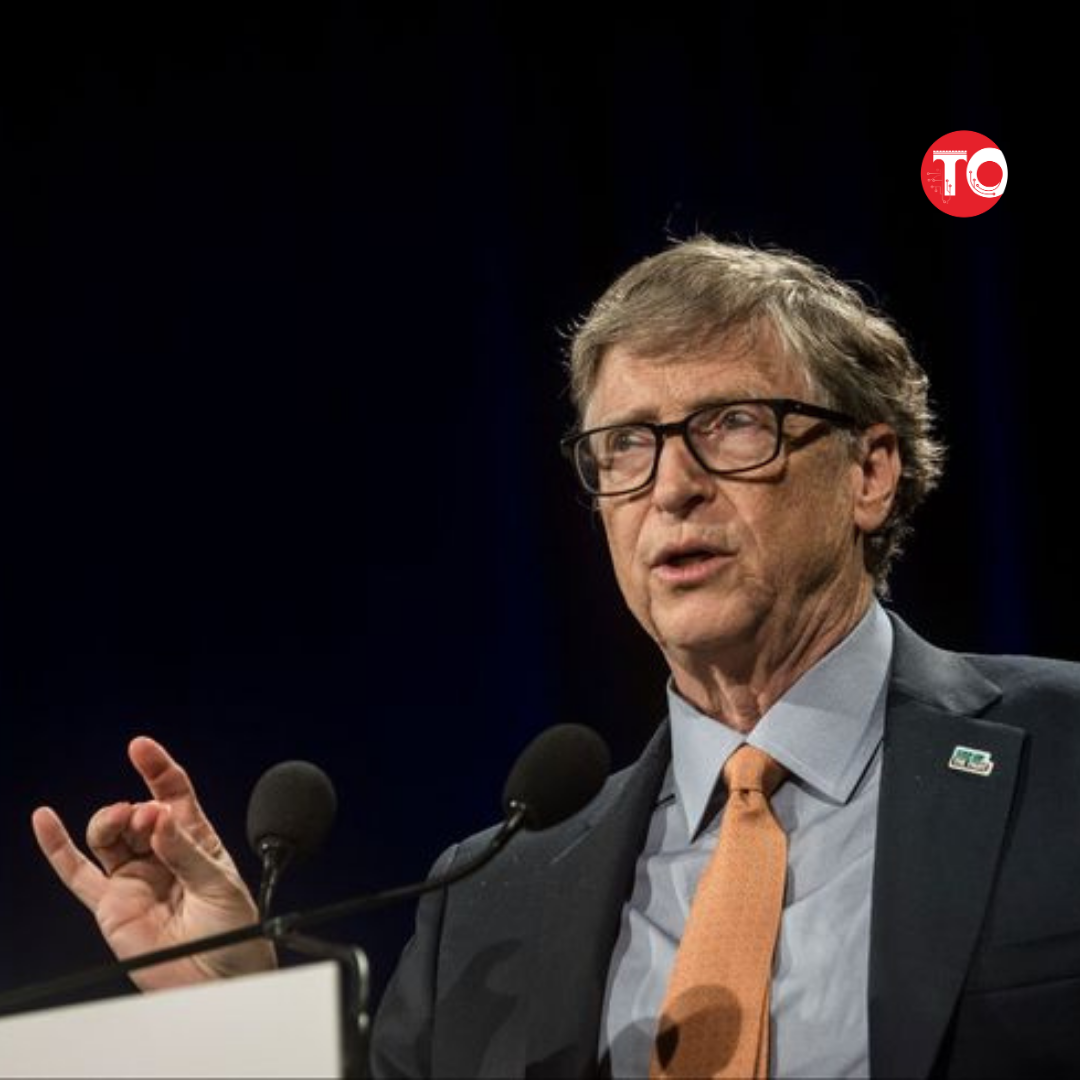
Microsoft co-founder Bill Gates has issued a severe warning regarding artificial intelligence, stating that the technology poses an existential threat to employment stability and human safety. Speaking in an extended interview with The New York Times alongside publishing a 6,000-word essay on his website, Gates urged that addressing AI's systemic risks must become the world's top priority. He criticized tech industry leaders for knowingly downplaying these dangers in public while privately harboring deep concerns, driven by intense financial incentives to raise trillions in capital.
Breakthrough In AI Coding Capabilities Sparks Deep Personal Alarm
Gates noted that recent technical milestones—particularly Anthropic’s Claude Code tool—surpassed his expectations and triggered his public intervention. Having spent decades as a software architect, Gates expressed shock that modern AI models now exceed human coding capabilities, marking only the third time in his life a technical breakthrough truly stunned him. He warned that unlike past industrial revolutions that eventually created more jobs than they displaced, the AI transition is fundamentally different and will cause widespread, multi-industry job losses across global economies.
Proposed Token Taxes and "Human Reserved" Job Protections
To mitigate economic disruption, Gates proposed structural policy interventions, including a "token tax" on AI computational usage. By increasing the cost of replacing human labor with automated processing units, the tax would slow displacement while generating dedicated funds to support retrenched workers. Additionally, Gates advocated for establishing a "Human Reserved" employment framework—a legal designation protecting deeply personal roles, such as caregiving and social infrastructure positions, from being fully replaced by autonomous algorithms.
International Security Agreements and National Security Risks
Addressing catastrophic security risks, Gates called for binding international agreements to monitor and restrict advanced AI capabilities that could facilitate bioterrorism. He emphasized that accessible, high-powered models could enable small groups to design novel pathogens and unleash global pandemics without oversight. Rejecting voluntary self-regulation measures currently pursued by government officials and corporate leaders, Gates insisted on mandatory, independent security reviews for any AI model capable of molecular synthesis or weaponized deployment.
Overcoming Reputation Obstacles to Drive Global Regulatory Policy
Acknowledging his own flaws as a messenger due to Microsoft's past antitrust litigation and personal scandals, Gates maintained that his technical background and philanthropic neutrality uniquely position him to address AI governance. Having addressed inquiries before a House committee earlier this year, Gates pledged to integrate AI safety into every high-level discussion he holds with world leaders alongside global health initiatives. Ultimately, Gates joins a growing contingent of tech luminaries demanding immediate, enforceable guardrails to prevent AI development from outstripping human control.