




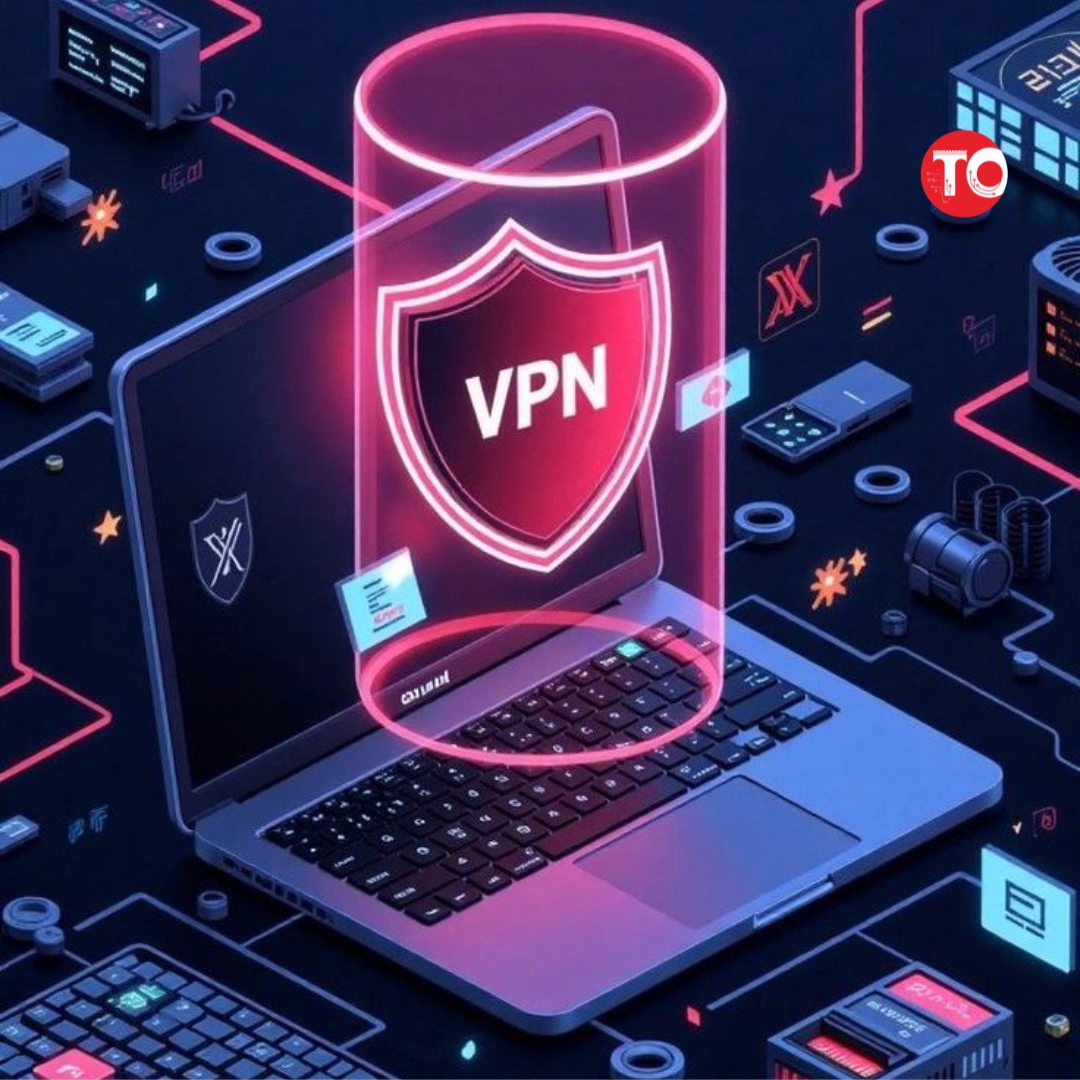
Oman’s Telecommunications Regulatory Authority (TRA) has issued an urgent nationwide cybersecurity advisory to alert the public about the severe digital and privacy dangers associated with using unauthorized or unverified Virtual Private Network (VPN) applications. The regulatory body highlighted that while many individuals download these third-party programs to bypass local firewalls or attempt to encrypt their data, the apps themselves frequently act as direct security traps. According to the official warning, a significant number of available consumer VPNs compromise user safety by aggressively tracking personal data, logging detailed histories of online activities, and demanding invasive, unnecessary device permissions—such as unrestricted access to local storage, contact lists, and geographic locations.
Beyond standard data-harvesting operations, the authority revealed that many free or low-cost VPN platforms function as hidden delivery vehicles for high-risk cyber threats. The TRA's technical investigation confirmed that these applications often host latent malware, spyware, and adware that can silently compromise a smartphone or computer’s operating system. Furthermore, once an unverified VPN connection is established, it can intercept the user's web requests and automatically route traffic to malicious, suspicious, or spoofed websites designed by cybercriminals to steal login credentials, personal identities, and sensitive banking data.
This urgent alert forms part of a broader, systemic initiative by the TRA to promote the safe, ethical, and optimal utilization of digital platforms across the Sultanate. As public services and commercial markets shift entirely toward digital-first frameworks under Oman Vision 2040, securing the population's personal data from exploit kits has become a matter of national resilience. The authority strongly urges all citizens and residents to remain highly vigilant, review app store permissions before downloading new utilities, and rely exclusively on official, secure networks to effectively prevent data breaches and shield their private information from global cybercriminals.