




Amazon Web Services (AWS) has received formal planning approval to construct a major subsea cable landing station in County Cork, Ireland, for its highly anticipated transatlantic fiber-optic network named Fastnet. Designed to connect Maryland in the United States directly to the southwest coast of Ireland, the infrastructure project will serve as the first private subsea cable system owned entirely by AWS. While the massive pipeline marks a major victory for Ireland's ambition to become Europe's central gateway for artificial intelligence and cloud computing, it has simultaneously ignited intense geopolitical scrutiny. The arrival of the high-capacity link exposes an uncomfortable paradox: the country is attracting the world's most valuable tech infrastructure while maintaining a chronic, long-standing deficit in maritime defense spending.
Scheduled to become fully operational in 2028, Fastnet will boast an extraordinary design capacity exceeding 320 terabits per second. This colossal bandwidth—equivalent to streaming roughly 12.5 million high-definition movies simultaneously—is specifically engineered to give AWS customers a dedicated, private data highway to manage surging AI training and inference workloads across the Atlantic. By opting out of the shared consortium cables typically utilized by telecommunications providers, Amazon is prioritizing vertical integration, route diversity, and complete strategic control over its international data traffic. Construction on the Irish landing station at Tullyneasky West is slated to begin later this year, drawing high praise from political leaders who view the project as a massive vote of confidence in the nation's high-tech economy.
However, the sheer scale of the project has forced European security analysts to point out Ireland's glaring defense gaps. Despite sitting directly atop the transit route for roughly three-quarters of all subsea data traffic in the Northern Hemisphere, the neutral state famously records the lowest military expenditure in the European Union, spending a paltry 0.2 percent of its gross domestic product (GDP) on defense. While the Irish government recently allocated a record €1.5 billion ($1.7 billion) to its defense budget, the nation still lacks a dedicated defense minister, suffers from severe personnel shortages, and operates a severely under-resourced active naval fleet that has occasionally dwindled to just two operational patrol ships. This limited capacity leaves Dublin structurally incapable of monitoring, let alone defending, the expansive maritime economic zone where these vital data lines rest.
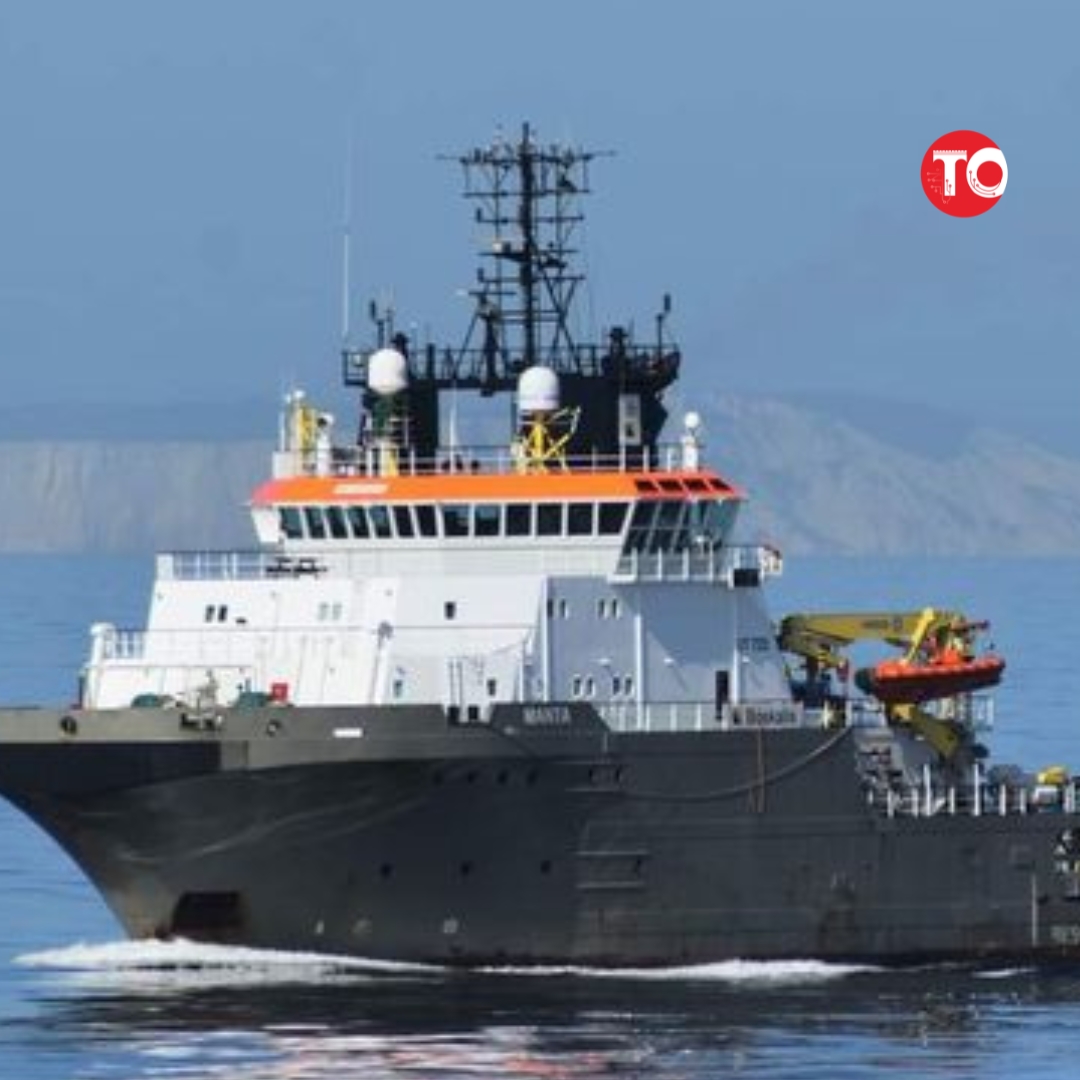
Recognizing these geopolitical exposures and the rising threat of undersea sabotage—such as the high-profile tracking and escort of suspicious Russian vessels near Irish waters—Amazon is taking physical security matters into its own hands. The tech giant has confirmed that it will physically harden the Fastnet line by burying the fiber-optic strands approximately 1.5 meters deep beneath the seabed and wrapping nearshore segments in heavy, protective steel armor plating. While these engineering safeguards defend against accidental anchor drags and localized tampering, they cannot fully substitute for state-level maritime surveillance. As Ireland assumes the rotating six-month EU presidency, European allies are increasingly questioning how long Dublin can continue to enjoy explosive economic growth driven by big tech while effectively outsourcing the physical security of the continent’s digital spine.