



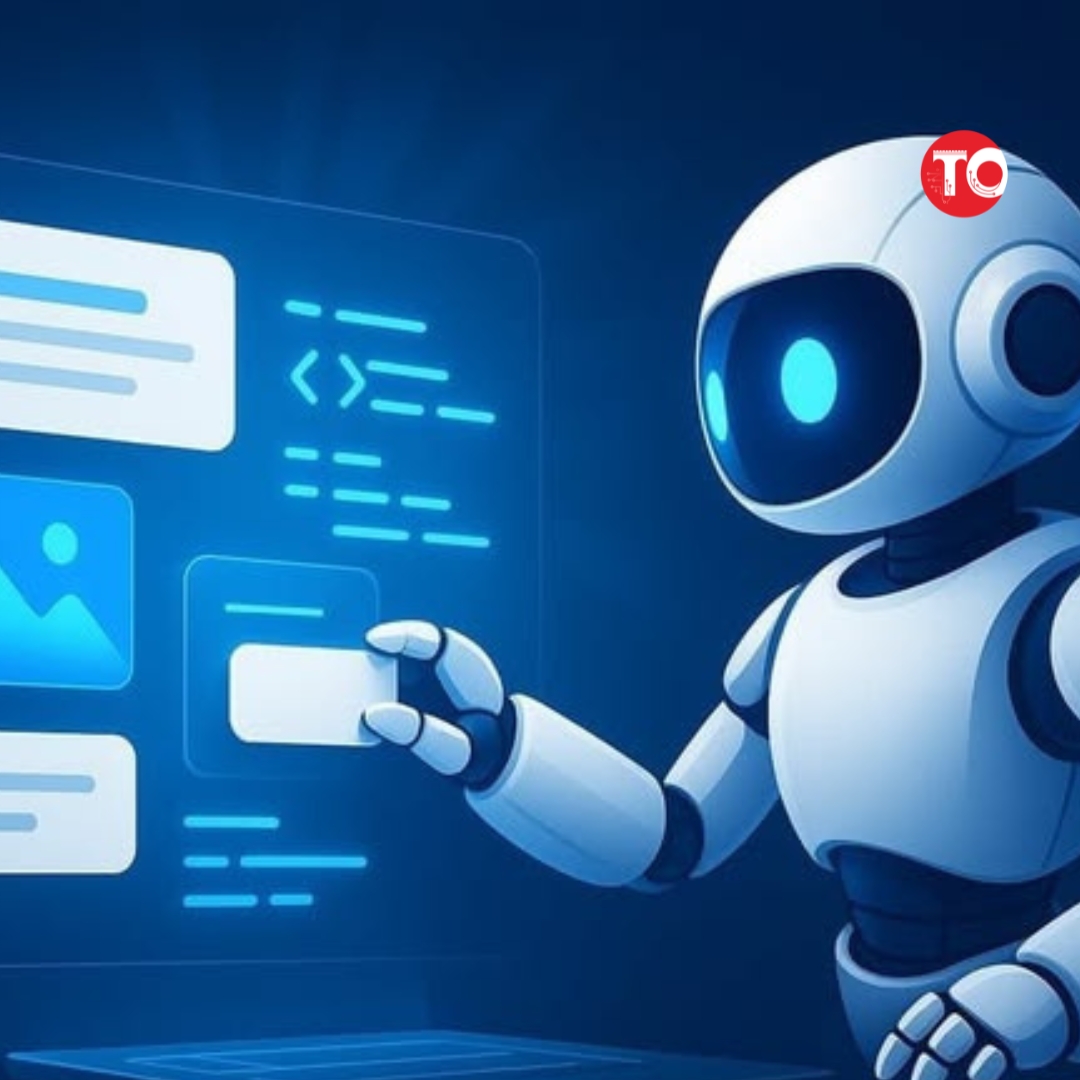
Chinese electronics and technology giant Xiaomi has officially open-sourced MiMo Code V0.1.0, a terminal-native artificial intelligence coding assistant specifically engineered to manage large, long-running software pipelines. Unlike basic code-completion plugins that operate passively within a traditional text editor, this command-line tool runs natively in the terminal. This allows the AI agent to independently read directory states, execute bash commands, run compilers, and manage Git version control. Released globally under the highly permissive MIT license, the entire framework is completely free for independent developers and enterprise teams to download, modify, and host on local hardware.
The launch marks a major evolutionary step for Xiaomi’s proprietary artificial intelligence ecosystem, which initially debuted with MiMo-7B, the company's baseline open-source reasoning model. Rather than serving as a simple text-generation model, MiMo Code functions as a highly active development agent. To accelerate widespread industry adoption, Xiaomi has structured the tool on top of the open-source OpenCode repository and included out-of-the-box compatibility with existing development workflows. The terminal assistant arrives paired with free, limited-time access to MiMo-V2.5, Xiaomi’s flagship multimodal AI model, while giving engineers the flexibility to plug in third-party API backends like DeepSeek, Kimi, and GLM.
The defining breakthrough of MiMo Code is its ability to conquer the "AI amnesia" that frequently derails competing coding assistants during extensive programming sessions. Most standard AI tools rely entirely on the active context window of the underlying model, meaning that as a software project grows longer and more complex, the system rapidly exhausts its temporary memory and forgets earlier design decisions, system rules, and conversation details. MiMo Code circumvents this architectural limitation by deploying a dedicated background subagent tasked exclusively with context tracking. As the active conversation approaches its token limit, the subagent automatically bundles the ongoing development state into structured summaries, allowing the main programmer agent to sustain maximum momentum without losing vital project context.
To keep long-term project files organized, the assistant utilizes a self-improving maintenance command known as /dream, which executes automatically every seven days. This background system activates a separate diagnostic agent that systematically combs through historical development sessions and local memory logs. The process deletes redundant data blocks, verifies file path links, and compresses the remaining historical data into a highly optimized, long-term project memory layer. Additionally, the tool features a dedicated Harness system optimized specifically for MiMo architectures alongside a specialized Tab-activated "Compose Mode." In this mode, developers simply provide a high-level conceptual goal, and the system autonomously spearheads the full software cycle, including design planning, coding, and automated test validation.
By combining this multi-layered memory architecture with robust engineering, MiMo Code has successfully outperformed elite proprietary alternatives like Anthropic's Claude Code on major agentic software benchmarks. While evaluation metrics show the two systems performing similarly on simple, short-horizon tasks, MiMo Code’s competitive win rate climbs past 65 percent once development tasks exceed 200 operational steps. By making this advanced, high-end automation free and fully open-source, Xiaomi is systematically shifting the economics of AI development, offering global engineering divisions a powerful mechanism to run complex, automated testing and refactoring loops without incurring steep, external cloud consumption fees.