

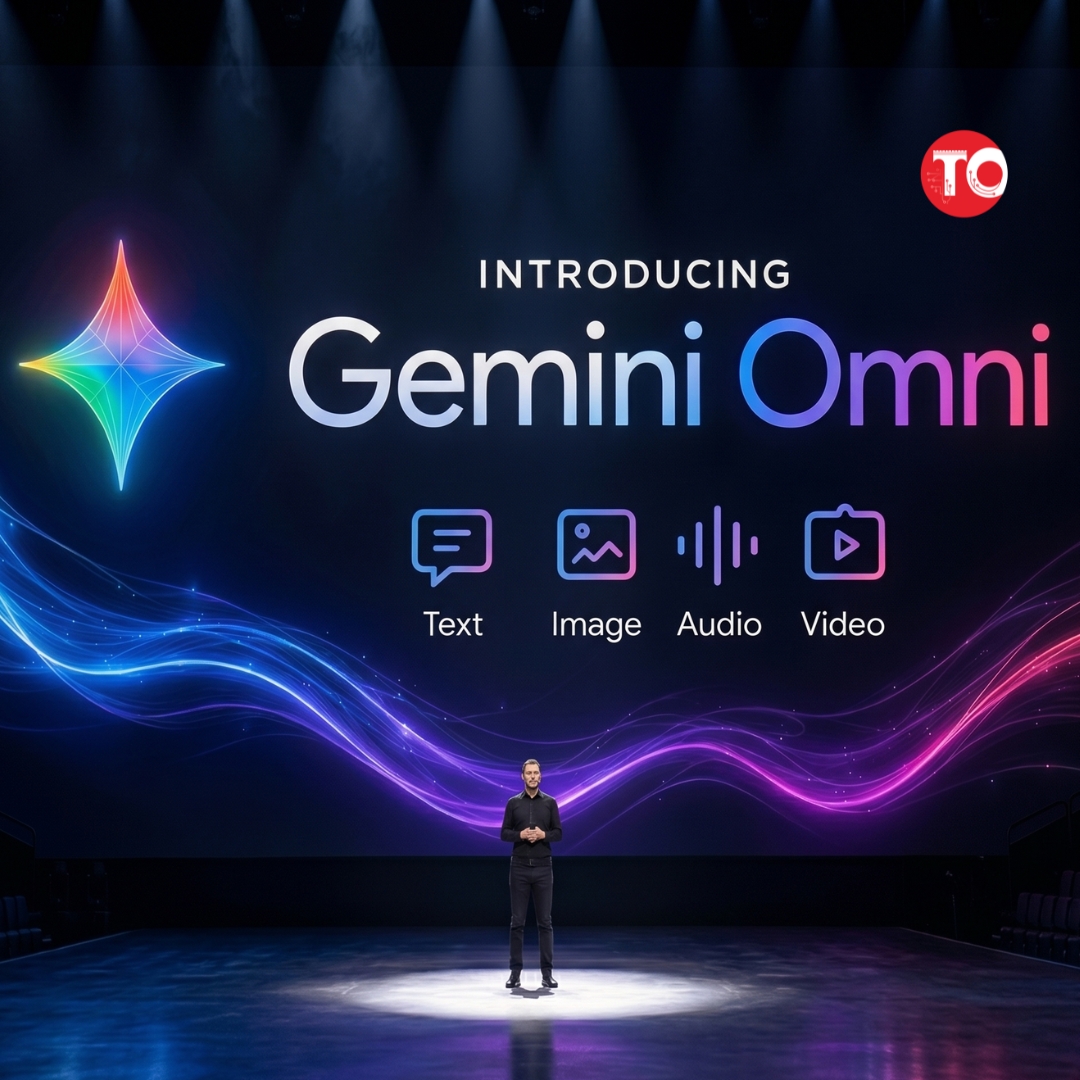
Google has unveiled its latest lineup of artificial intelligence technologies at the Google I/O 2026 conference, focusing on making AI highly functional, proactive, and accessible for users globally. The announcements highlight a significant architectural jump in multimodal generation and agentic workflows. By deploying these tools simultaneously to everyday consumers, developers, and enterprise networks, the tech giant is reinforcing its position at the forefront of the global AI landscape.
A major highlight of the keynote was the debut of Google's latest advanced models, led by Gemini Omni. This groundbreaking multimodal engine allows users to generate complex creative content from any type of input, with a primary focus on high-fidelity video creation. Alongside this flagship model, Google announced the global availability of Gemini 3.5 Flash. This faster, highly efficient model has been rolled out immediately within the Gemini app and the specialized AI Mode in Google Search, while also opening up access for developers and enterprise clients via API.
In a move toward personalized automation, Google introduced Gemini Spark, an always-on, 24/7 personal AI agent integrated directly into the Gemini ecosystem. Unlike traditional reactive chatbots, Gemini Spark is engineered to proactively manage daily tasks, organize workflows, and help users navigate their digital lives under their direct supervision. This shift from passive conversation to proactive execution marks a major step in Google's strategy to turn AI into a practical, everyday digital assistant.
To support the creation of these autonomous systems, Google is opening up its underlying technology to the wider software engineering community. The company announced a massive expansion of the Google Antigravity ecosystem, a specialized framework designed to give developers the infrastructure needed to build, test, and safely deploy their own custom AI agents. This developer-focused expansion aims to spark a new wave of third-party AI tools and specialized applications built entirely on Google's foundations.
Collectively, these updates at Google I/O 2026 demonstrate a clear shift away from static text prompts and toward dynamic, autonomous intelligence. By combining advanced media generation models like Gemini Omni with agent frameworks like Gemini Spark and Antigravity, Google is building an ecosystem where AI acts as both a creative partner and an operational manager. These tools are set to reshape how information is processed, created, and managed across the internet.