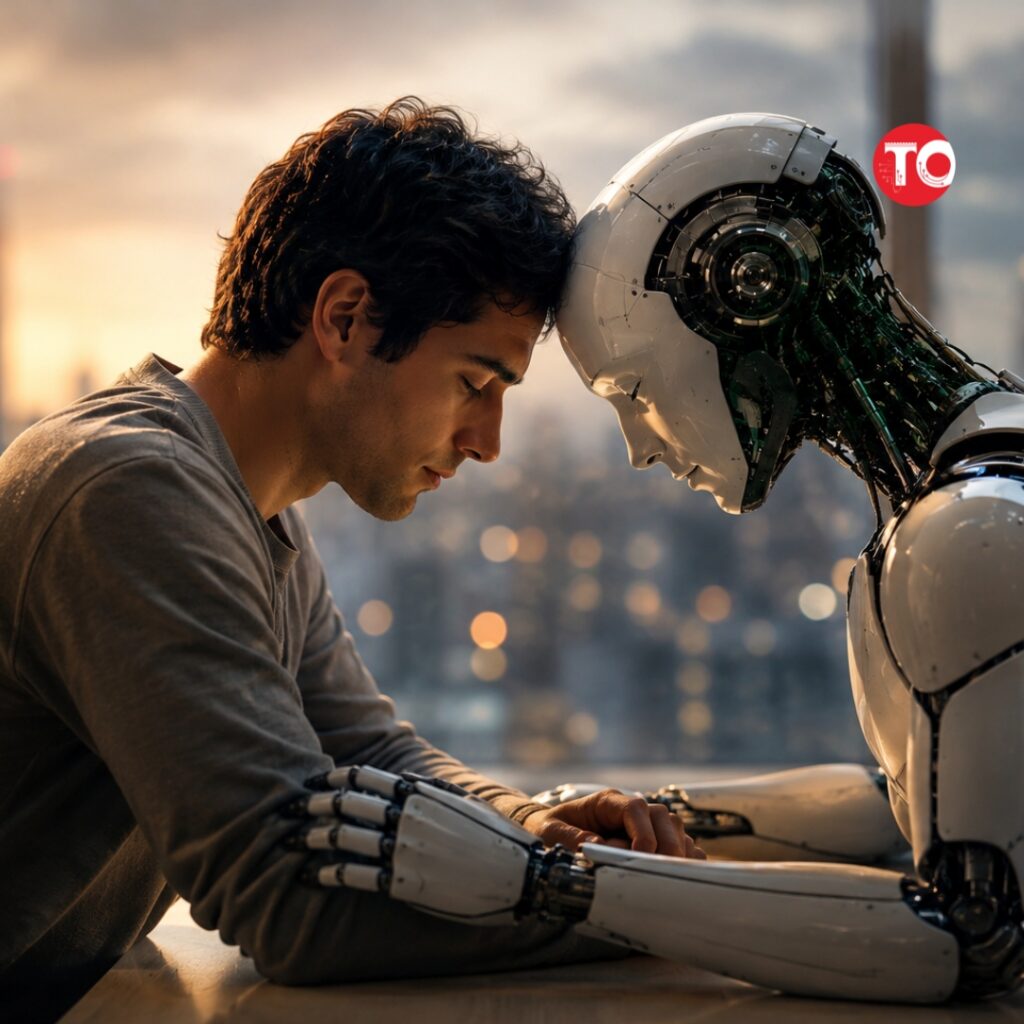



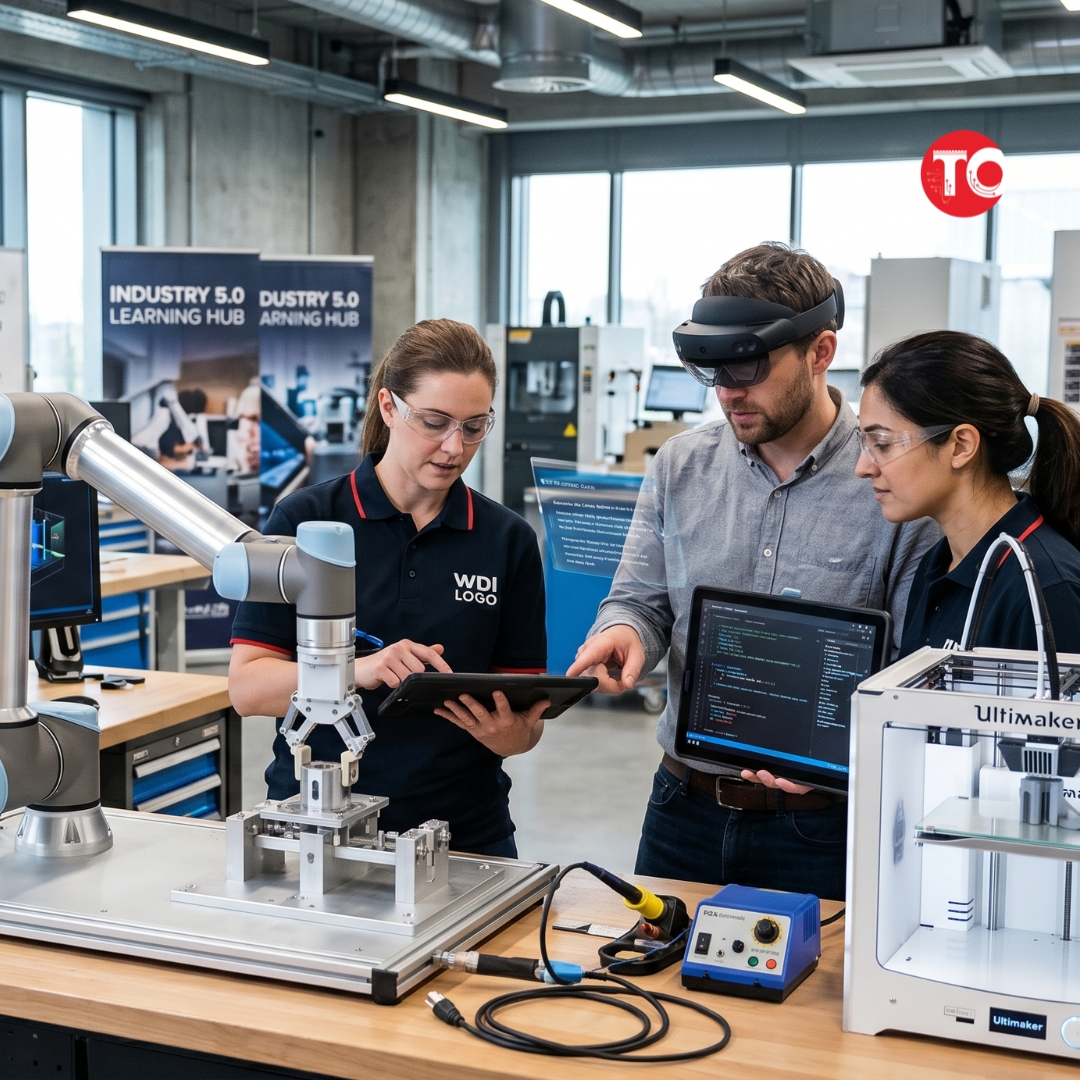
The world is entering a new phase of industrial transformation often described as Industry 5.0. Unlike previous industrial revolutions that focused primarily on automation and efficiency, Industry 5.0 emphasizes collaboration between humans and intelligent technologies. It brings together artificial intelligence, robotics, advanced data analytics, and human creativity to build more adaptive and human-centered systems.
As industries evolve, education must evolve with them. Preparing future professionals for this new environment requires more than traditional academic learning. Educational institutions are increasingly recognizing the importance of embedding digital and emerging technologies into their teaching models to equip students with the skills required for a rapidly changing workforce.
Industry 5.0 highlights the importance of meaningful interaction between people and machines. This means education must go beyond technical training. Students must develop critical thinking, creativity, adaptability, and digital competence alongside technological knowledge. Integrating technologies such as artificial intelligence, machine learning, and robotics into academic curricula can help students build the capabilities needed to navigate complex digital environments while maintaining human-centered judgment.
A modern educational framework must also be interdisciplinary. Technology today intersects with business, society, and human behavior. By combining insights from these fields, students gain a broader understanding of how innovation shapes organizations and communities. This approach prepares graduates not only to use technology, but also to lead its responsible application.
Teaching methods must evolve as well. Responsive and inclusive learning environments play an important role in ensuring that education reflects the diverse backgrounds and experiences of students. Digital learning platforms can expand access to knowledge while enabling more flexible and collaborative learning experiences.
Sustainability is another important dimension. As new technologies reshape industries, educational institutions must help students understand how innovation connects with environmental responsibility and long-term societal well-being. Preparing graduates to balance technological advancement with sustainable development goals will be critical for future economic growth.
Innovative teaching strategies such as gamification are also gaining attention. Interactive learning approaches supported by digital platforms have proven effective in improving student engagement, strengthening comprehension, and enhancing knowledge retention. These methods help create more dynamic and immersive educational experiences.
At the same time, educators themselves must continuously adapt. Ongoing professional development and stronger collaboration between universities, industry, and policymakers will ensure that educational programs remain aligned with emerging technological and workforce demands.
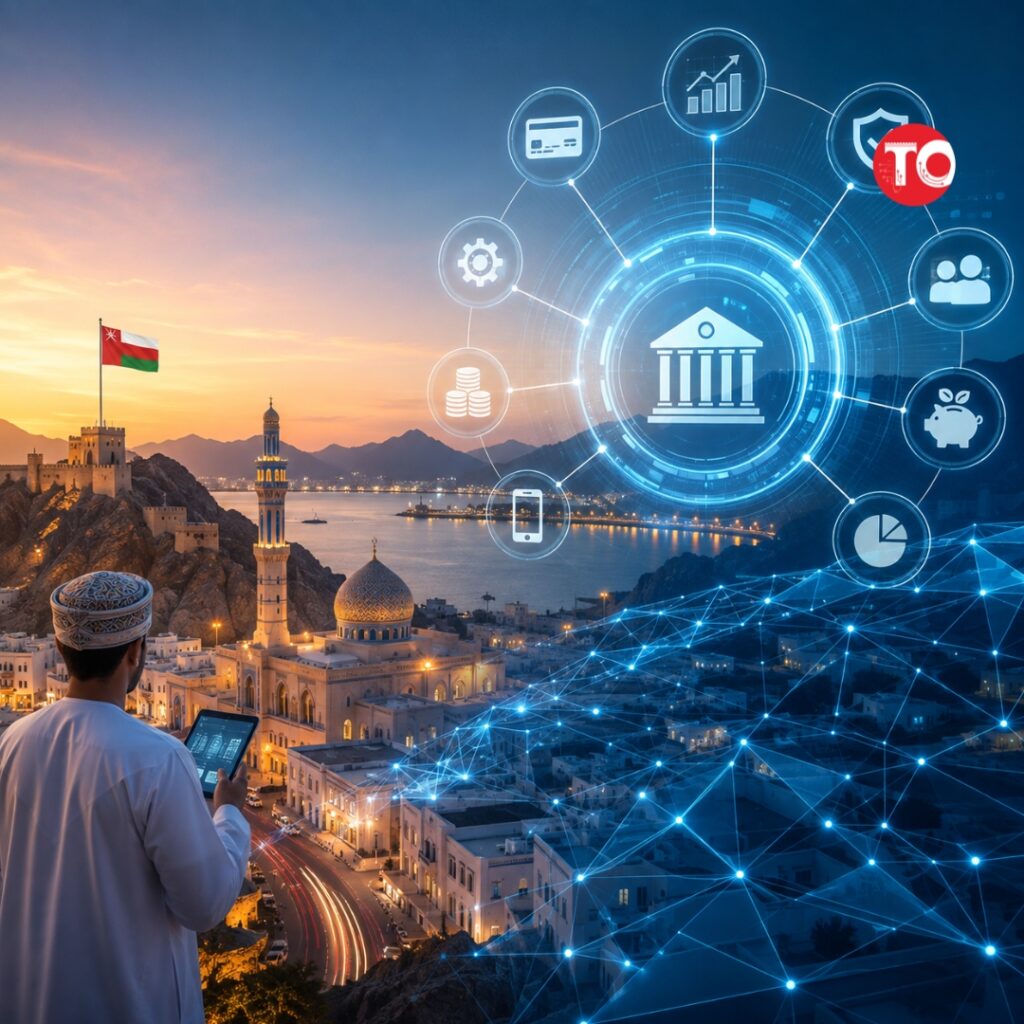
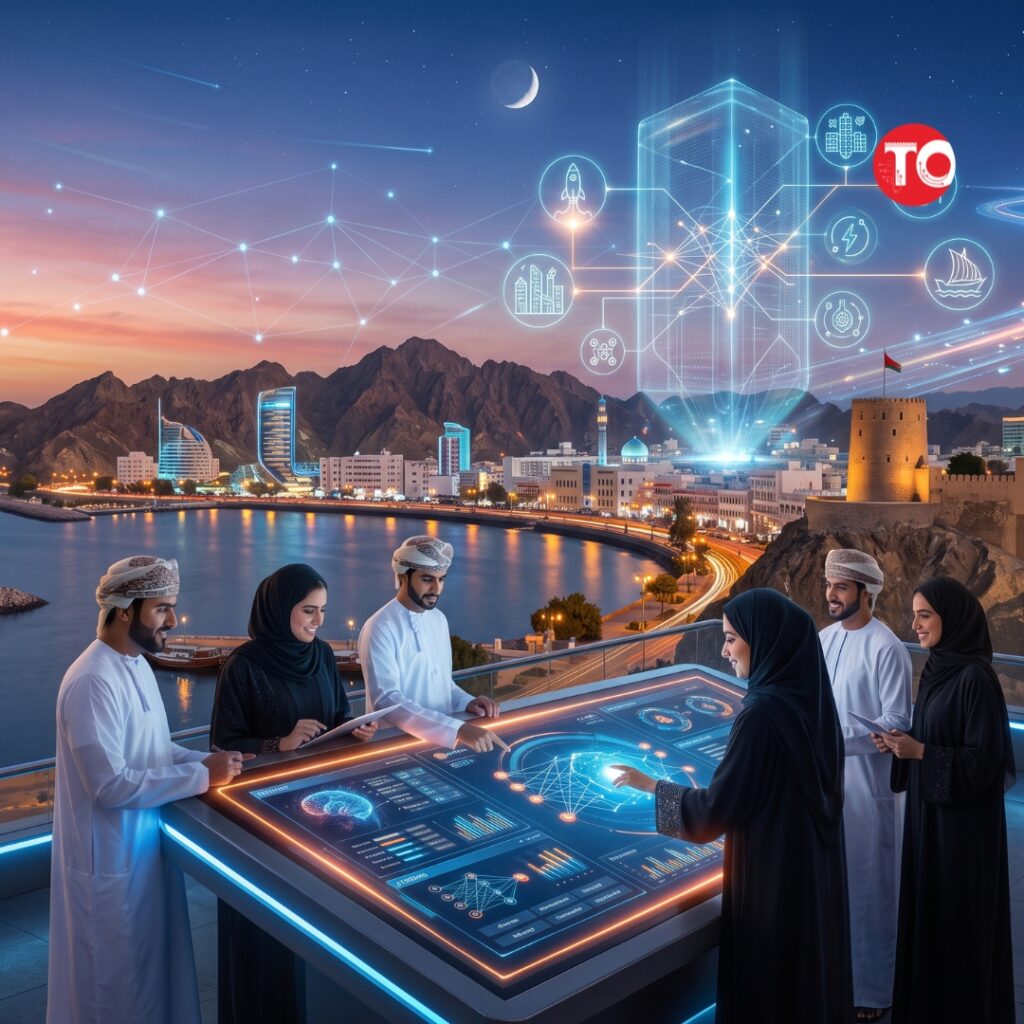
For Oman, integrating digital technologies into education represents a strategic investment in the future. Building a workforce capable of innovation, adaptability, and responsible technology adoption will play a vital role in supporting economic diversification and sustainable development.
Industry 5.0 is not simply about smarter machines. It is about empowering people to work alongside technology in more meaningful and productive ways. Education will be the foundation that prepares the next generation to lead this transformation.