

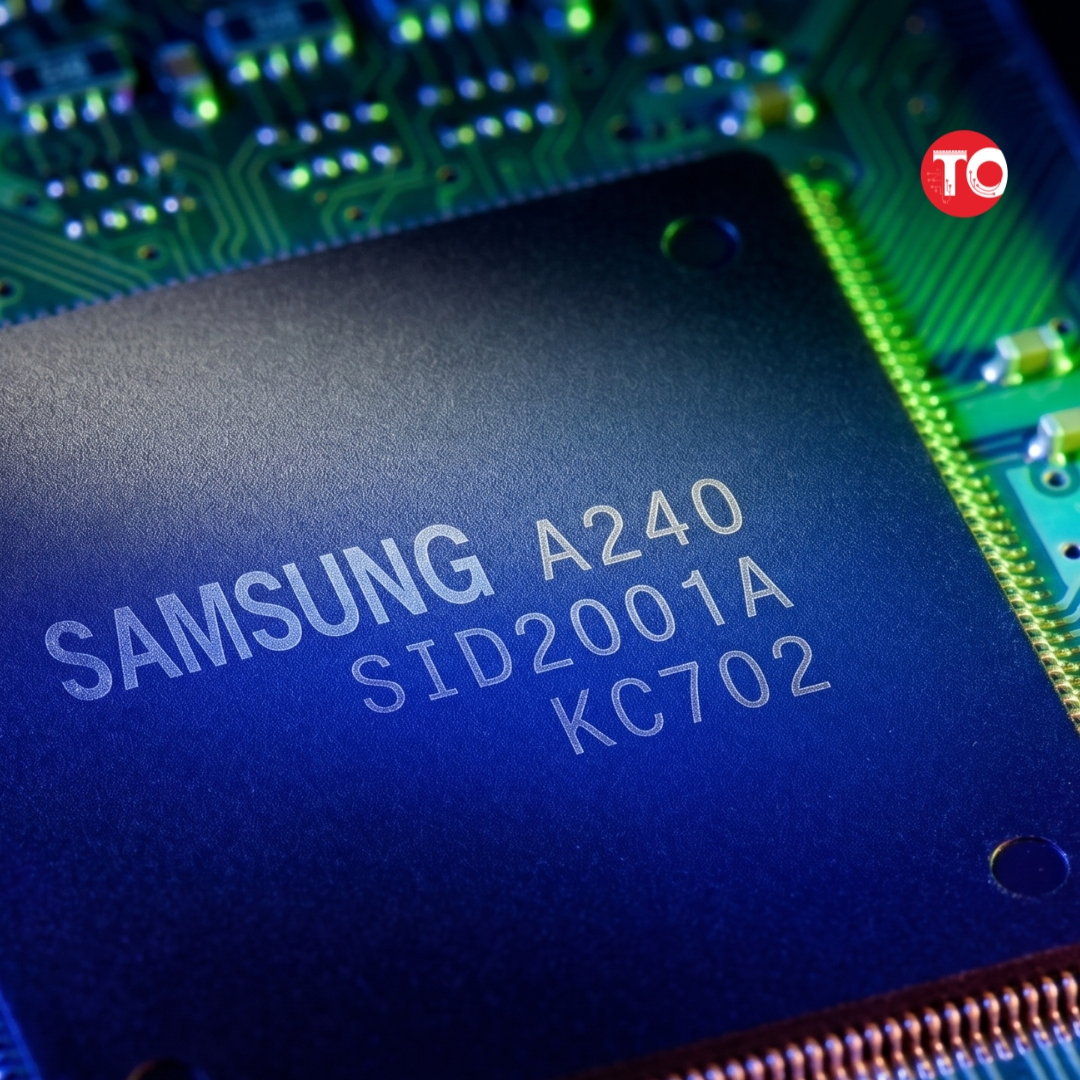
Samsung has officially crossed the monumental $1 trillion market valuation threshold, marking a historic milestone for the South Korean tech giant. This massive surge in value comes as the global appetite for high-performance semiconductors—specifically those used in artificial intelligence—reaches a fever pitch. As the world’s largest memory maker, Samsung has found itself at the epicenter of the AI revolution, providing the essential hardware that powers the next generation of large language models and advanced computing clusters.
The primary catalyst for this valuation jump has been the explosive growth in Samsung's stock, which has more than quadrupled over the past twelve months. Investors have rallied behind the company as it successfully pivoted its manufacturing focus toward High Bandwidth Memory (HBM) and specialized AI chips. This transition has allowed Samsung to capitalize on a market that was previously dominated by a handful of niche players, effectively turning its legacy manufacturing scale into a dominant competitive advantage for the late 2020s.
Industry analysts point to Samsung’s massive investment in R&D as a key reason for this success. By anticipating the hardware requirements of generative AI early on, the company was able to scale production just as the demand from global tech firms began to spike. This foresight has not only boosted the company's bottom line but has also solidified its position as an indispensable partner for every major player in the AI space, from cloud providers to autonomous vehicle developers.
The $1 trillion milestone places Samsung in an elite group of global tech companies, further shifting the balance of power in the semiconductor industry. For years, the market was characterized by cyclical peaks and valleys, but the sustained demand for AI-ready hardware has created a "super-cycle" that shows no signs of slowing down. This valuation isn't just a reflection of past performance; it’s a bet by the global market that Samsung will remain the backbone of the physical infrastructure required to keep the AI era running.
Looking ahead, Samsung shows no intention of resting on its laurels. With its newfound capital and market dominance, the company is reportedly eyeing even more ambitious projects, including next-generation "neuromorphic" chips that mimic the human brain's processing patterns. As it navigates this new trillion-dollar reality, Samsung’s influence on the global economy is set to deepen, proving that in the age of artificial intelligence, the most valuable asset isn't just the software—it’s the silicon that makes it all possible.