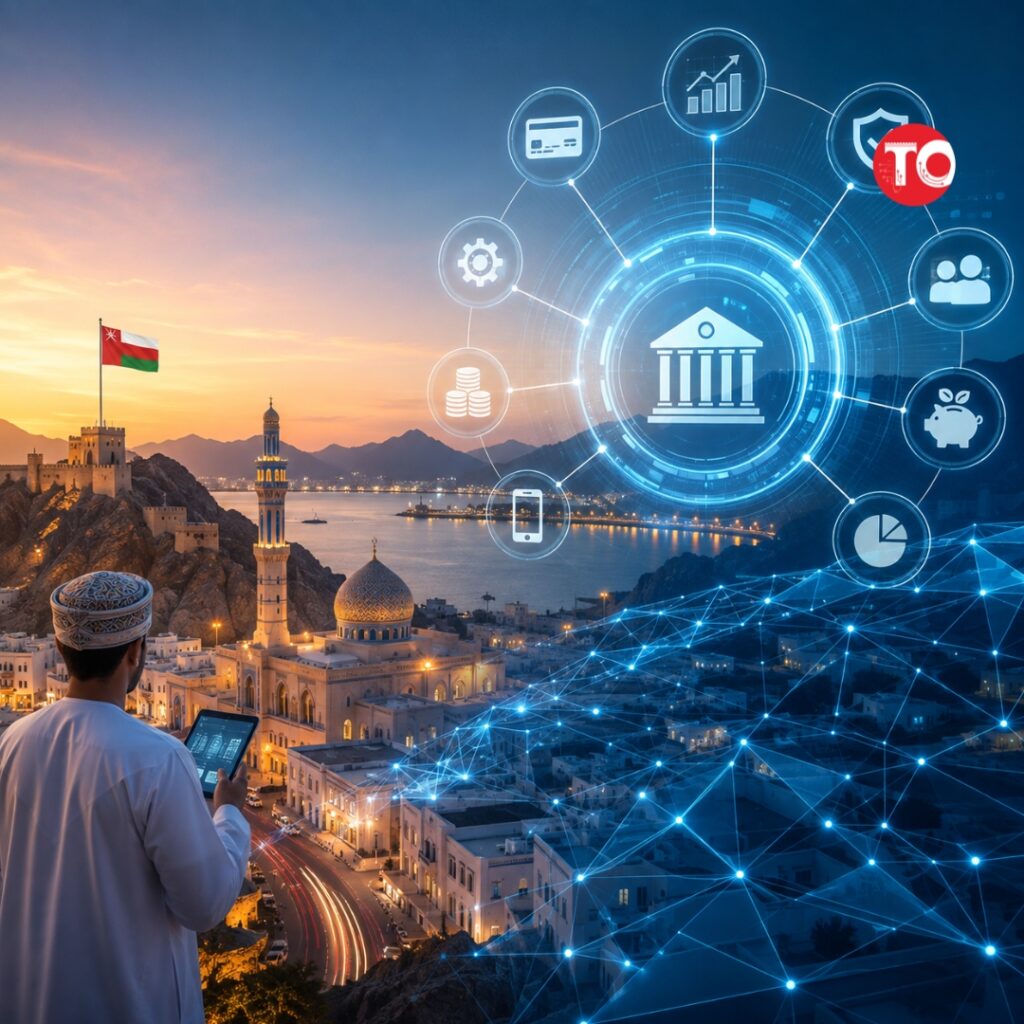

Oman’s Vision 2040 places digital transformation as a central pillar of economic
growth. From e-government services and digital banking to logistics platforms
and utilities, the Sultanate is building a modern, connected economy. This
progress creates efficiency, convenience, and new business models, but it also
brings in substantial risk if it is not managed securely.
In my ten years as a Cybersecurity consultant, I have worked with almost every
type of client, from energy and global insurance providers, to small start-ups.
Almost all of them start by considering Cybersecurity as an IT problem or a
compliance checkbox which needs to be ticked. In reality, for many companies and
organisations, it is an existential risk even if they do not know it. Trust is
the foundation of every digital transaction, whether it is a person uploading
private information to government services, a company processing payments, or an
international investor evaluating a major investment.
As organisations rapidly digitise, their exposure increases. Every new software
suite, remote access platform or application increases this, expands what
Cybersecurity professionals call the “attack surface”. In almost all cases,
digital capability has outgrown security maturity. This is not unique to Oman, I
have seen it in every country I have worked with, but it creates an important
opportunity for Oman, its employment, and its standing in the international
community.
It is almost universal to find companies that do not have full visibility of
their digital assets (Shadow IT is an enormous problem), lack regular high
quality security testing, or rely heavily on vendors without any oversight into
the risks that they introduce. This is not due to negligence or incompetency, it
reflects that cybersecurity has not yet been fully integrated into the strategic
planning at senior levels of organisations.
The financial implications of this can be catastrophic, as seen in 2025 where
the projected global impact of cybercrime was estimated to be 10 trillion
dollars. Cyber incidents can lead to complete operational disruption, regulatory
fines, contractual liability, and reputational damage. For small and medium-
sized enterprises which form a major part of Oman’s economy, planning for a
cyber event is especially important. For enterprises, cybersecurity posture
increasingly influences valuation and partnership decisions, especially at the
international level.
International investors and global partners assess digital risk as a core part
of due diligence. They want to see stringent governance, incident response
capability, third-party risk management, and regulatory frameworks. Strong cyber
maturity signals long-term stability and professionalism, and that translates
into higher returns.
At a national level, we have Critical National Infrastructure, which includes
energy, logistics, banking, telecommunications. Protecting these sectors is
vital for Oman to remain being seen as a stable and reliable investment
opportunity. If these sectors are suffering operational disruptions and are
appearing regularly on dark web markets (which major investors monitor as a part
of due diligence), then they will view Oman as a high-risk investment.
Consequently, cybersecurity should not be framed purely as a cost that is
demanded by bureaucrats, it enhances the country's economic potential.
Additionally, it helps Oman create a thriving cybersecurity industry.
By developing the domestic expertise by investing in university programs,
encouraging responsible disclosure and research with the community, and
strengthening collaboration between the public and private sectors, Oman can
cultivate a high-value cybersecurity industry at a time where it is really
needed. This creates many opportunities for skilled employment (especially for
the Omani youth), provides revenue by exporting the expertise abroad, and
positions Oman as a safe and technologically capable investment destination.
Ultimately, cybersecurity problems are a leadership issue. It often gets ignored
as unnecessary overhead until it is too late. Many times I have been called
onsite to respond to incidents that cause significant financial loss, which
could have been easily avoided.
For the past 10 years, Oman’s digital transformation has been accelerating, and
there are many initiatives being deployed that will launch this digitalisation
to new heights. The next phase of this digitalisation journey should focus on
ensuring that this transformation remains resilient to the large-scale attacks
that are impacting every organisation, even if they do not know it. The
companies, organisations and initiatives that recognise this early and bake this
into their development will not only reduce their own risk, they will strengthen
their competitiveness and help foster Oman's investor confidence and long-term
growth.
As Warren Buffet, arguably the greatest investor of all time stated - "I don't
know that much about cyber, but I do think that's the number one problem with
mankind".