



Student Strategy Proposes AI and Vehicle-to-Grid Integration for Oman’s EV Network
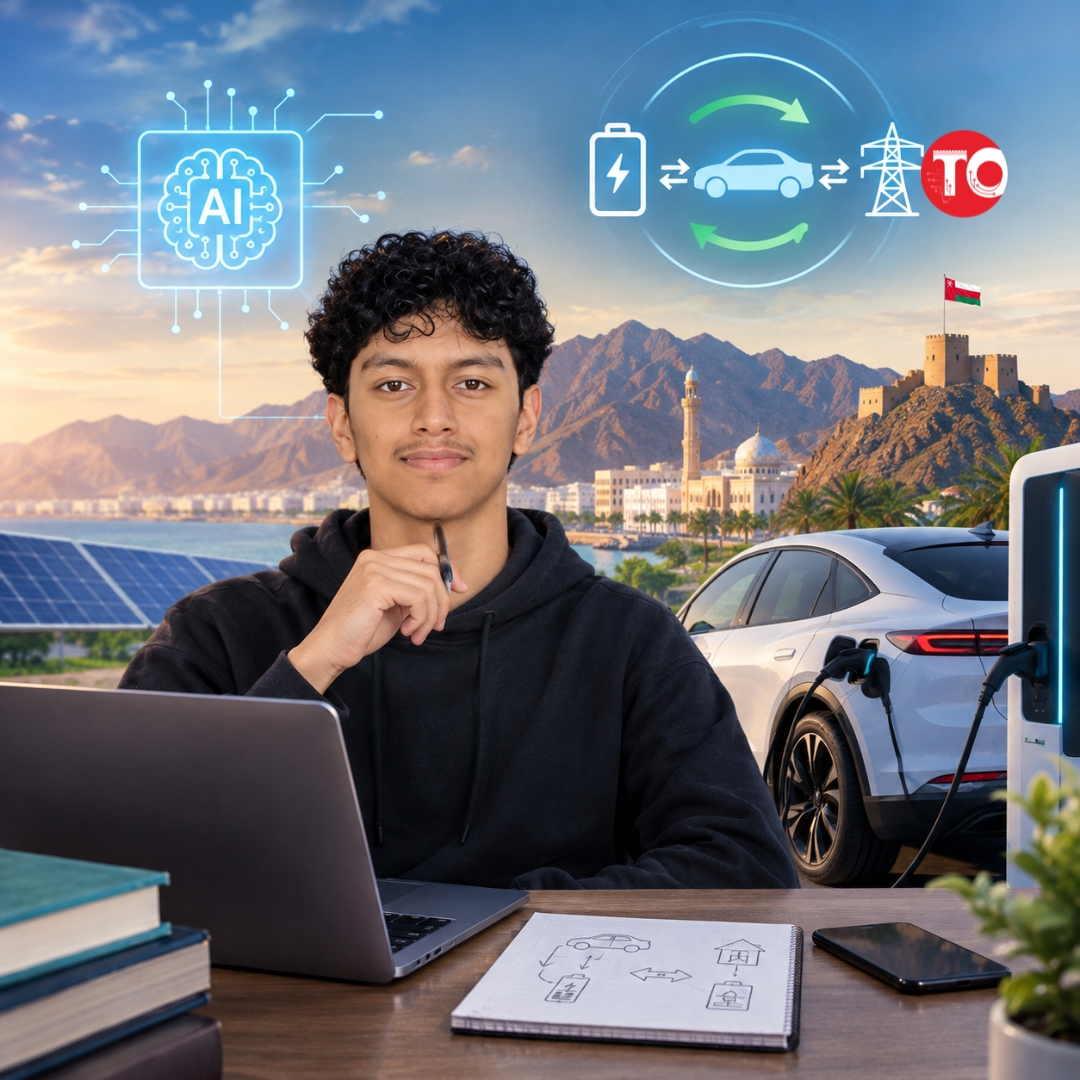
A young Indian student from British School Muscat has highlighted a forward-looking strategy to optimize the Sultanate's electric vehicle (EV) infrastructure as over 5,800 EVs hit Omani roads. The proposal demonstrates how combining artificial intelligence, unified national platforms such as Shahin, and Vehicle-to-Grid (V2G) technology can transform parked EVs into active energy assets. As Oman accelerates its transition toward sustainable e-mobility, the integration of smart AI grid management ensures that expanding EV fleets actively support national energy stability rather than overburdening local electrical networks.
Key Technological Pillars for Smart EV Energy Management
The proposed strategy leverages advanced digital systems and bidirectional charging technology to revolutionize national power distribution:
- Accelerating National EV Adoption: Capitalizes on the presence of over 5,800 electric vehicles currently operating across Omani roads.
- Unified Digital Platform Integration: Connects smart charging networks through national platforms like Shahin to monitor power draw in real time.
- Vehicle-to-Grid (V2G) Capabilities: Enables parked EVs to feed excess power back into the national grid during peak demand hours, operating as distributed power sources.
- AI-Driven Renewable Optimization: Uses machine learning algorithms to balance renewable power generation with real-time EV charging demand.
Transforming Stationary Vehicles into Smart Distributed Energy Resources
Integrating V2G technology allows stationary electric vehicles to function as decentralised battery storage systems across urban centers. When integrated with AI algorithms, charging cycles can be dynamically adjusted based on electricity tariffs, grid capacity, and solar output. By discharging power back to the grid during high-demand windows and recharging during off-peak hours, EV owners contribute to grid stabilization while maximizing the utilization of clean, solar-generated electricity across the Sultanate.
Fostering Technological Innovation and Youth Engagement in Sustainability
Highlighting innovative proposals from student researchers underscores the pivotal role youth talent plays in advancing technical solutions for climate action. Encouraging local research across artificial intelligence, smart mobility, and renewable energy storage strengthens national problem-solving capabilities. Collaborations between academic institutions, private tech innovators, and public utility authorities create a supportive ecosystem for testing dynamic smart-city technology within Oman’s expanding metropolitan areas.
Supporting Clean Energy Transition Aligned with Oman Vision 2040
Ultimately, leveraging AI strategies and V2G technology to optimize Oman’s EV energy future directly aligns with the net-zero emissions and sustainable infrastructure targets of Oman Vision 2040. Modernizing power grids through smart, decentralized technology builds a resilient non-oil economy while accelerating carbon reduction goals. As the Sultanate continues expanding its green mobility ecosystem, implementing AI-driven energy solutions positions Oman as a progressive regional leader in smart transport and sustainable resource management.