


Artificial intelligence is rapidly transforming the modern world. From content generation and graphic design to automation and data analysis, AI is reshaping how people work, communicate, and create. As these technologies become more advanced, an important question emerges: what happens to human creativity in the age of AI?
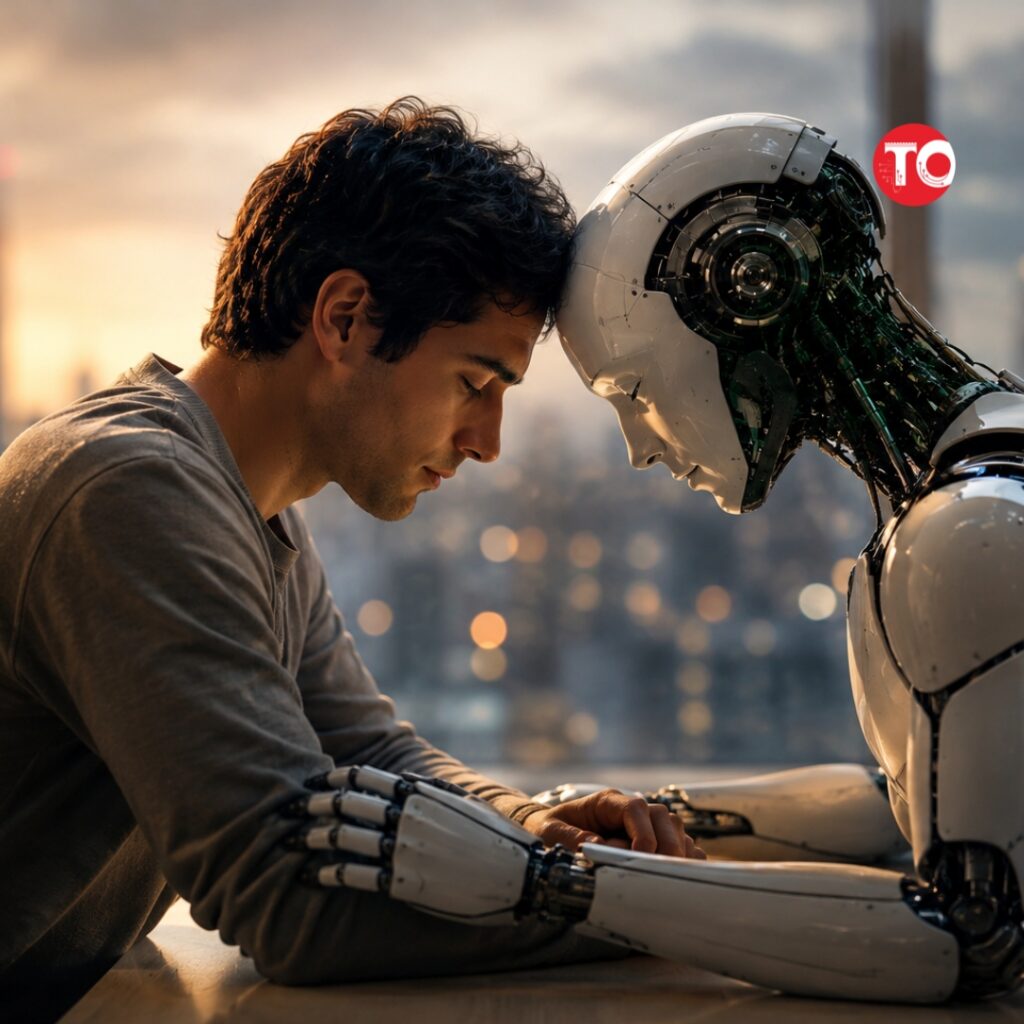
Many people fear that artificial intelligence may eventually replace writers, designers, artists, and creators altogether. However, the reality is far more nuanced. Rather than eliminating human creativity, AI is changing the role of the creator and expanding what individuals can accomplish.
The future does not belong to AI alone. It belongs to humans who learn how to work alongside it intelligently.
Creativity Has Always Evolved With Technology
Throughout history, every major technological advancement has transformed creative expression. The invention of photography changed painting. The internet changed publishing and communication. Smartphones changed media consumption and content creation.
Initially, these shifts often create fear and uncertainty. Yet over time, technology becomes a tool that expands creative possibilities rather than destroying them.
Artificial intelligence is simply the next evolution in this process.
AI as a Creative Partner
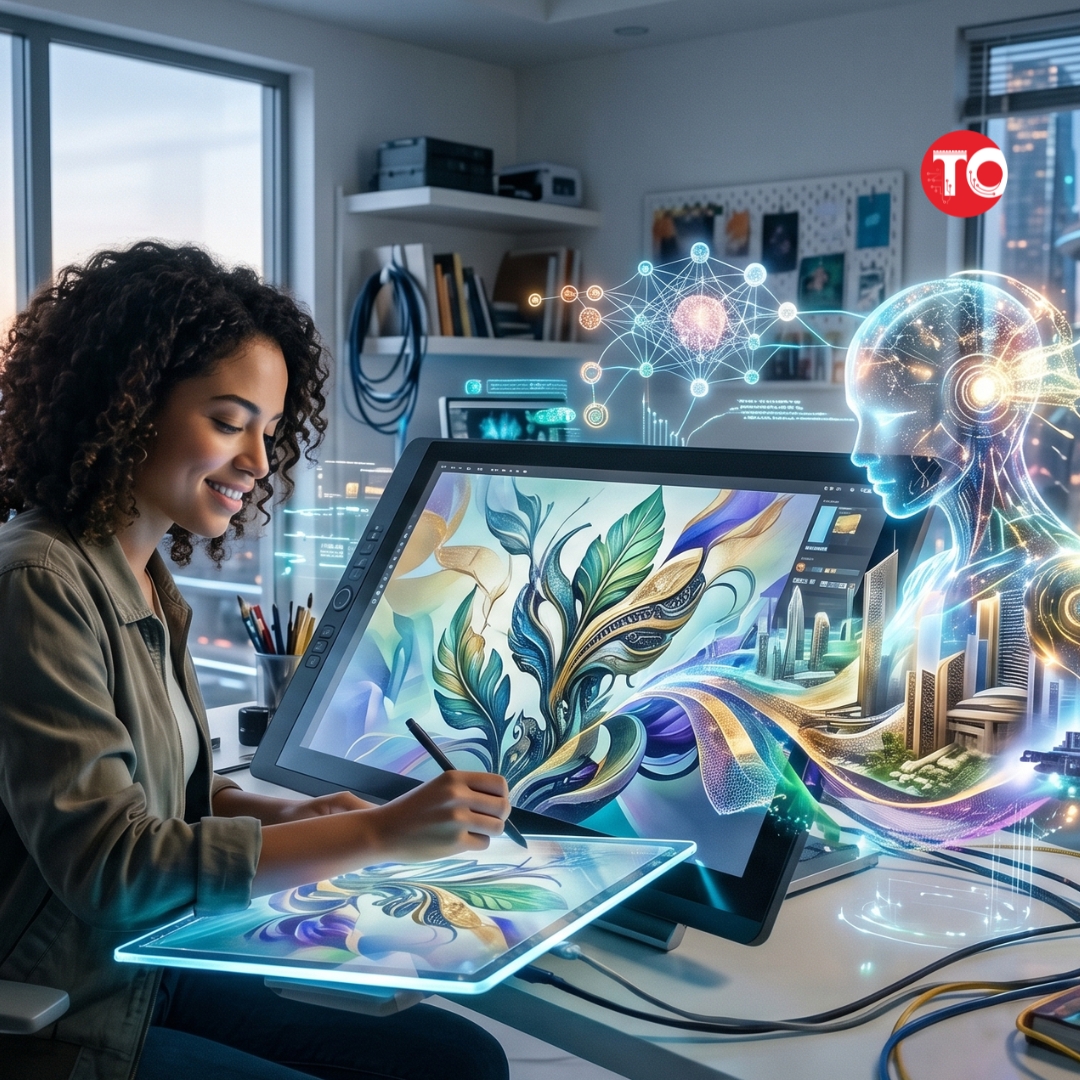
One of the most powerful aspects of AI is its ability to assist with repetitive and time-consuming tasks. Writers can generate outlines and ideas faster. Designers can create visual concepts within minutes. Video creators can automate editing and subtitles.
This allows creators to spend more time focusing on vision, storytelling, emotion, and strategy, the deeply human aspects of creativity.
AI can generate information, but it cannot replicate lived experience, intuition, emotional depth, or authentic perspective. Those qualities remain uniquely human.
The Rise of the Multi-Disciplinary Creator
In the past, building a brand or business often required an entire team. Today, one individual equipped with AI tools can write articles, design graphics, edit videos, conduct research, and manage content distribution.
This is creating a new generation of multi-disciplinary creators who are able to bring their ideas to life with greater independence and speed.
Entrepreneurs, artists, educators, and professionals now have unprecedented opportunities to express themselves and reach global audiences.
Authenticity Will Become More Valuable
As AI-generated content becomes increasingly common, authenticity will become one of the most valuable assets in the digital world.
People are not only looking for information. They are seeking genuine connection, trust, perspective, and meaning.
Human stories, unique experiences, personal insights, and emotional resonance cannot simply be automated. In fact, the more artificial the digital landscape becomes, the more people will value what feels real and human.
This means creators who cultivate authenticity and originality will continue to stand out.
Creativity Beyond Productivity
One of the dangers of the AI era is reducing creativity purely to productivity and output. While AI enables faster creation, true creativity is not just about speed.
Creativity involves reflection, observation, experimentation, emotion, and imagination. Some of the greatest ideas emerge from silence, curiosity, and human experience rather than automation.
AI should enhance creativity, not disconnect people from the deeper creative process itself.
The Human Advantage
In the future, technical skills alone may no longer be enough. The most valuable qualities will likely include:
- Emotional intelligence
- Adaptability
- Original thinking
- Vision
- Communication
- Intuition
- Storytelling
- Ethical responsibility
These are profoundly human capacities that AI cannot fully replace.
The individuals who thrive will not necessarily be those competing against AI, but those learning how to integrate technology while preserving their humanity.
Conclusion
Artificial intelligence is transforming the creative landscape, but it is not the end of human creativity. Instead, it marks the beginning of a new chapter where technology amplifies human potential.
The future belongs to creators who use AI as a tool while continuing to cultivate originality, authenticity, and purpose. In an increasingly automated world, the true value of human imagination may become more important than ever before.