



Technical Constraints of Tesla’s High-Pressure Thruster System
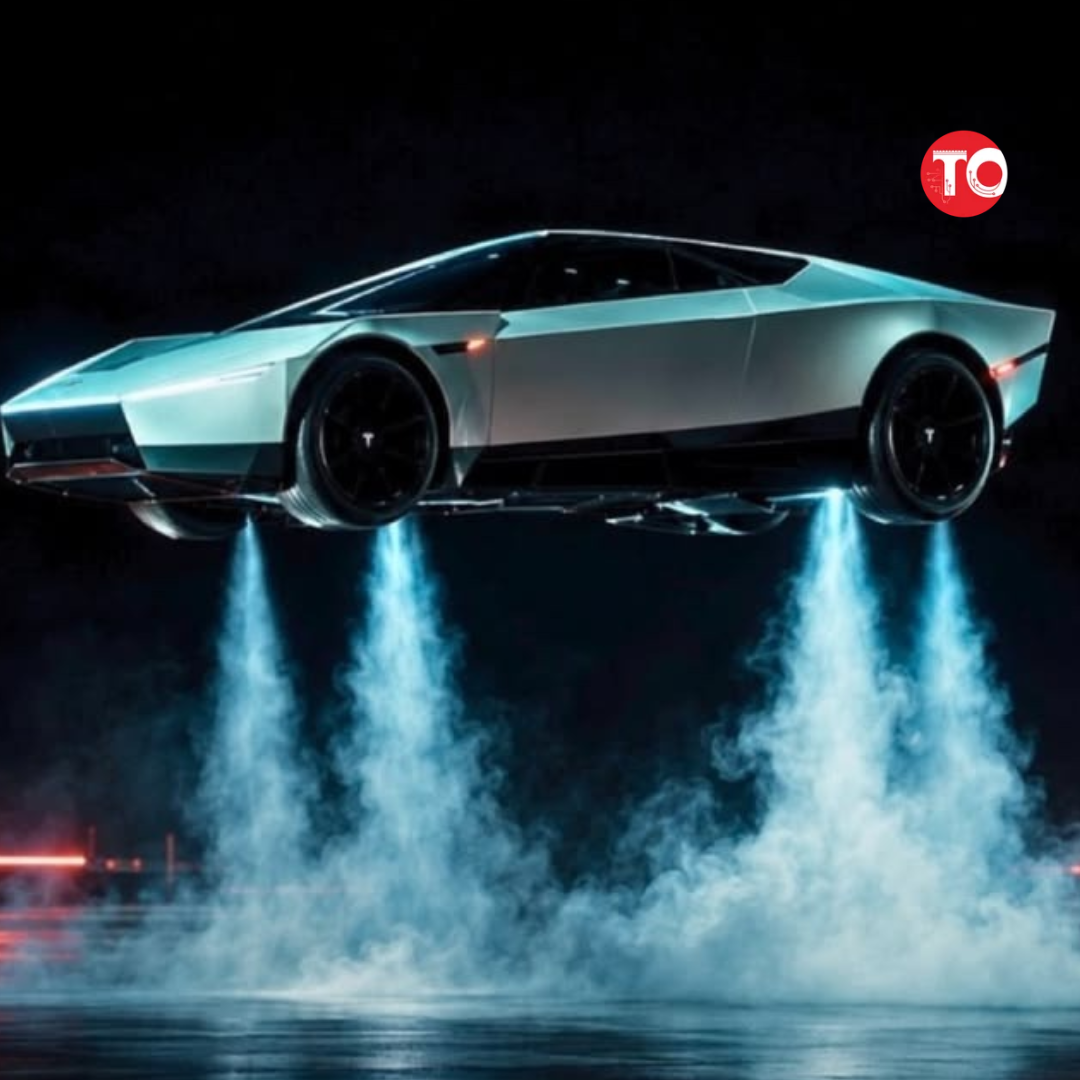
Tesla Vice President of Vehicle Engineering Lars Moravy confirmed critical operational metrics regarding the cold-gas thruster package for the upcoming Tesla Roadster. Developed in collaboration with SpaceX engineers, the optional propulsion system utilizes compressed nitrogen gas stored in a Carbon-Overwrapped Pressure Vessel (COPV) to deliver ultra-rapid, tire-grip-defying bursts of acceleration. However, prototype testing reveals that the high-pressure system requires two to six hours to fully recharge after providing just five seconds of active thrust.
Mechanical Requirements and High-Pressure Infrastructure Costs
Refilling the Roadster's onboard 200-liter storage tank presents substantial hardware and thermodynamic challenges:
- Extreme Storage Pressure: The system operates at pressures up to 10,000 PSI (690 bar), significantly exceeding standard industrial gas storage limits.
- Compression Hardware Needs: Standard commercial compressors peak around 6,000 PSI. Pushing the vessel to 10,000 PSI requires specialized booster pumps costing up to $10,000 per unit.
- Onboard vs. External Refilling: Current prototype iterations rely on external static compression setups, as integrated high-pressure vehicle compressors remain complex and weight-prohibitive.
- Refill Time Target: Tesla engineering teams are targeting an integrated compression solution that reduces total tank refill times to under 30 minutes prior to commercial rollout.
Performance Trims and Road-Legality Classification
The thruster system introduces distinct performance tiers that impact vehicle layout and road compliance:
- Thrust Variant: Equipped with rear cold-gas thrusters and a 200-liter COPV, enabling sub-1-second 0–60 mph launches while maintaining a two-seat interior.
- Rocket Variant: Features a larger 400-liter carbon-fiber tank installed in place of the passenger seat, utilizing both perimeter and rear thrusters to offer short-duration levitation.
- Regulatory Compliance: While the dual-motor base Performance trim remains standard road-legal, the extreme Rocket variant is classified as non-street-legal and restricted to private track environments.
Overcoming Engineering Obstacles Ahead of 2028 Production
Integrating cold-gas rocket technology into a production vehicle highlights the friction between extreme performance metrics and practical ownership realities. Generating multiple Gs of acceleration requires balancing high-pressure safety, thermal dissipation during compression, and rapid energy delivery. Refining the compression system to operate within reasonable timeframes and cost parameters is crucial to making cold-gas thrusters commercially viable for supercars.
Refining Cold-Gas Mobility for Production
Ultimately, compressing 10,000 PSI of nitrogen gas efficiently remains one of the largest engineering hurdles for Tesla’s flagship supercar. While a five-second boost offers unprecedented launch performance, a six-hour recovery cycle creates clear operational bottlenecks. Achieving sub-30-minute recharge cycles will determine whether cold-gas thrusters evolve into a usable high-performance feature when Roadster production begins in 2028.