



Oman Prepares to Expand Self-Driving Vehicle Trials Across Key Sectors
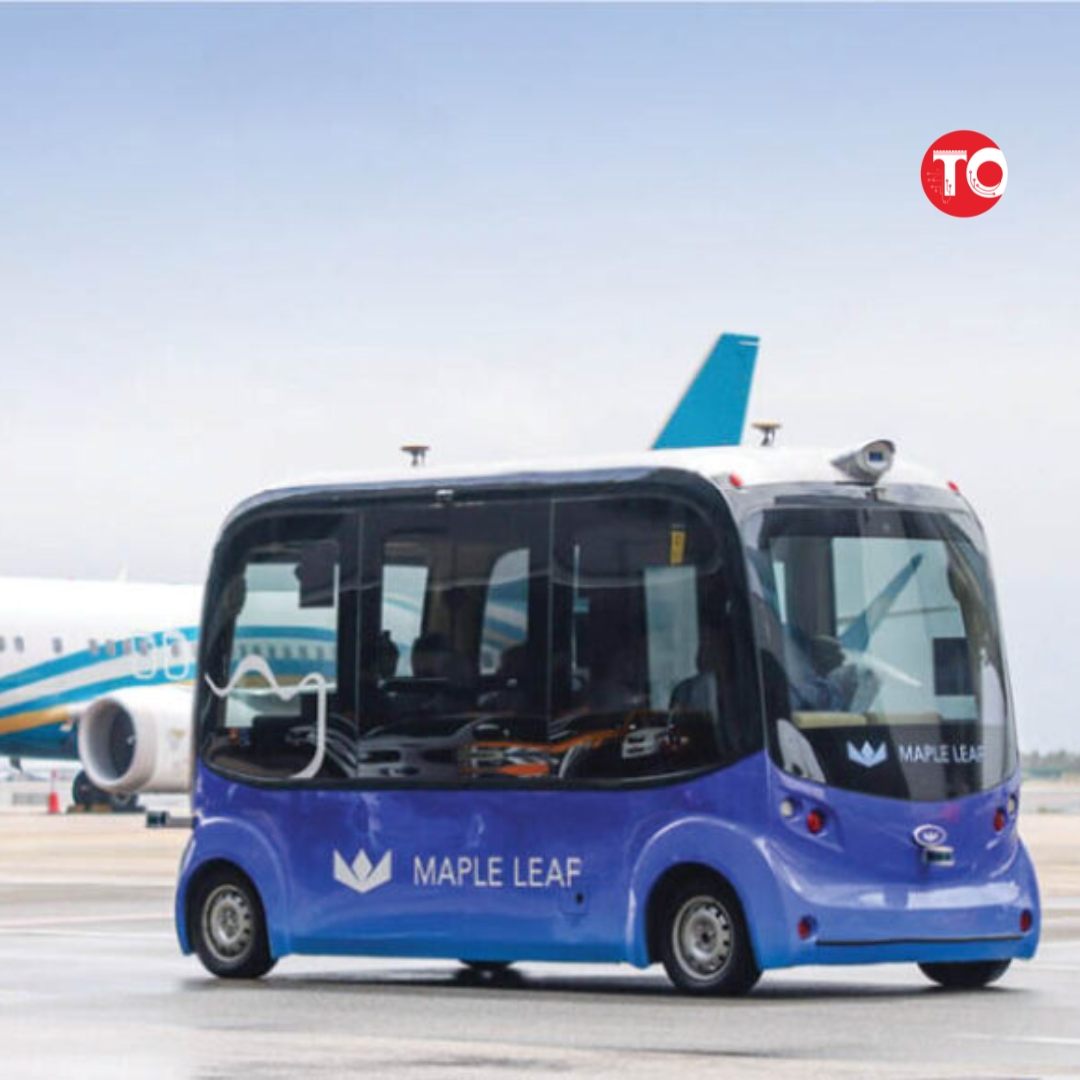
The Sultanate of Oman is preparing to broaden operational trials for autonomous electric vehicles following a successful pilot demonstration conducted at Salalah International Airport. Spearheaded by the Ministry of Transport, Communications and Information Technology (MTCIT) in collaboration with Oman Airports and autonomous tech provider Maple Leaf, the trial represents a major step toward integrating smart mobility across national transport infrastructure. Attended by Minister of Transport, Communications and Information Technology Engineer Said bin Hamoud Al Maawali, the initial test confirmed the viability of self-driving electric shuttles within specialized operational environments.
Strategic Roadmap for Autonomous Mobility Deployment by 2027
Building on the initial operational success in Salalah, Omani transport authorities have outlined a phased commercial deployment timeline set to launch in 2027. The regulatory framework establishes clear milestones requiring technology partners to prepare between 30,000 and 50,000 autonomous shuttles and driverless logistics vehicles for deployment over a five-year period. Expanding trials into urban centers, industrial corridors, and commercial port zones will allow regulatory bodies to assess vehicle performance, fleet management software, and road safety protocols under real-world Middle Eastern operational conditions.
Economic and Environmental Impact Across Domestic Transport Networks
Transitioning toward smart and driverless mobility solutions aligns directly with Oman's broader sustainability goals and digital transformation agendas. Implementing electric autonomous fleets is expected to optimize operational costs, cut carbon emissions, and improve safety standards across passenger and logistics networks. Furthermore, integrating driverless technology into air transport hubs and logistics nodes enhances supply chain efficiency, helping domestic trade corridors handle higher freight volumes while maintaining strict energy efficiency standards.
Driving Alignment with Oman Vision 2040 and Net-Zero Commitments
The expansion of autonomous transport trials reinforces national strategies under Oman Vision 2040, the 2050 Net-Zero target, and regional initiatives such as Sustainable Dhofar. Backed by institutional support from entities like the Oman Investment Authority (OIA), the Sultanate aims to become a regional pioneer in transport electrification and autonomous vehicle adoption across the Gulf Cooperation Council (GCC). Establishing comprehensive regulatory frameworks and commercial licensing pathways ensures that Oman remains well-positioned to attract foreign direct investment into high-tech mobility infrastructure.
Establishing Oman as a Regional Hub for Next-Generation Mobility
Ultimately, expanding autonomous vehicle trials positions the Sultanate as a testing ground and operational hub for advanced smart mobility solutions across the Middle East. As public and private stakeholders collaborate to build digital road networks and charging infrastructure, Oman is creating a scalable model for clean, automated transportation. Moving from isolated airport demonstrations to nationwide commercial deployment will continue to accelerate technology transfer, nurture technical talent, and enhance long-term economic competitiveness.