



Mwasalat, the national public transport operator in the Sultanate of Oman, has officially announced that its city bus services operating across Muscat and Salalah will no longer accept cash payments starting August 1, 2026. Under the new operational mandate, all passengers traveling on urban routes within both major metropolitan regions must utilize approved electronic payment channels to settle their transport fares prior to boarding. The mandatory transition represents a fundamental step in modernizing the Sultanate's public transportation network and advancing digital finance integration across municipal infrastructure.
Operational Objectives Behind the Cashless Payment Mandate
The primary operational objective behind phasing out physical cash collections is to enhance transit efficiency and streamline the daily commuting experience for transport users. By eliminating manual cash handling and driver-issued physical ticketing, the public transport authority aims to accelerate passenger boarding times, minimize bus stop dwell delays, and maintain strict schedule reliability. Transport officials emphasize that transitioning to automated electronic ticketing creates a faster, smoother, and more predictable journey for thousands of daily bus commuters.
Approved Electronic Payment Methods For Passengers
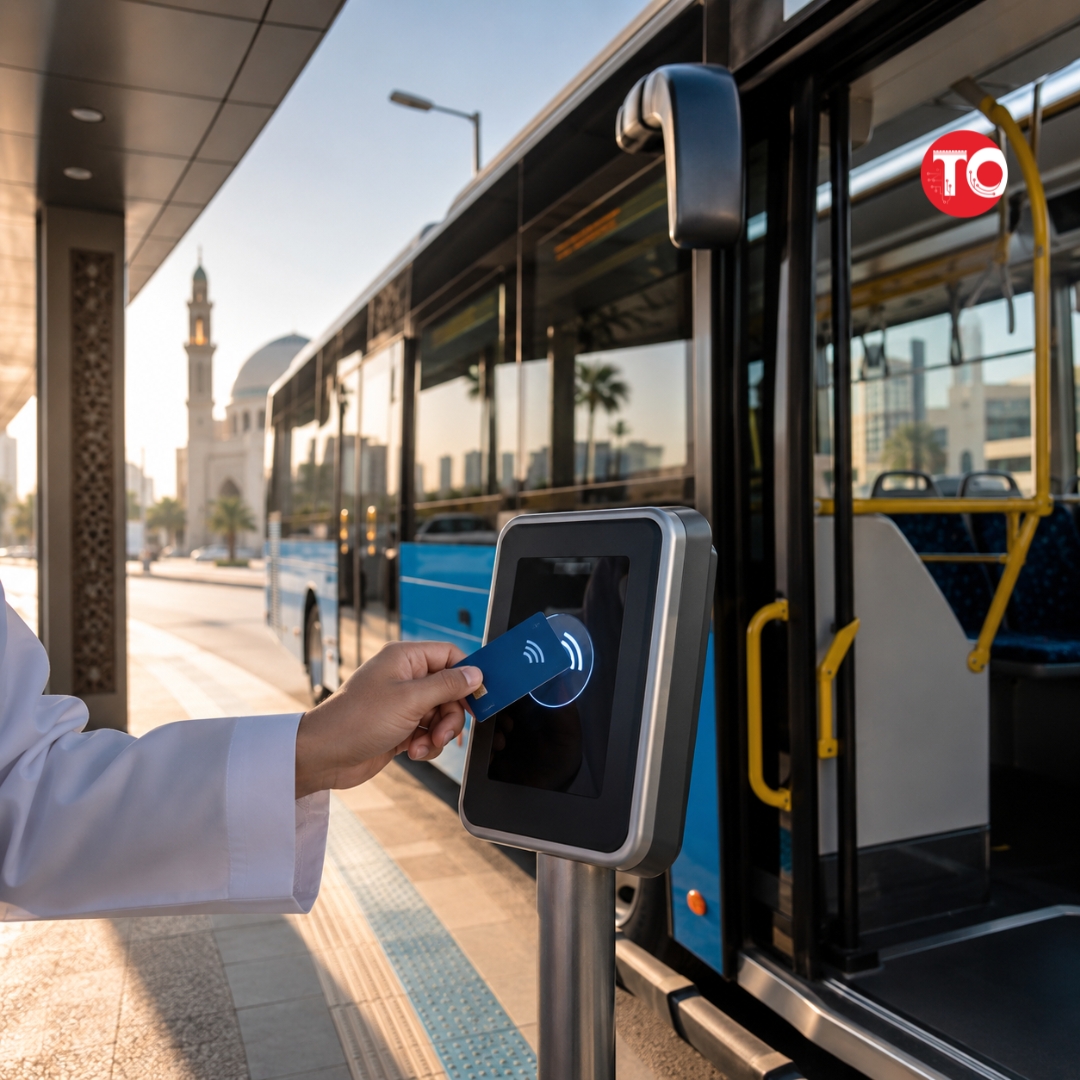
To facilitate a seamless transition for local residents and international visitors, Mwasalat has enabled multiple contactless payment solutions across its urban bus fleet. Passengers can instantly pay for their journeys using approved contactless bank debit or credit cards, mobile payment applications, or dedicated digital transit cards. By simply tapping their card or digital device upon entering the vehicle, commuters achieve instant fare validation, significantly reducing congestion at high-volume transit terminals and urban bus stops.
Strategic Alignment With Oman Vision 2040 And Digital Governance
This infrastructure modernization initiative aligns directly with national strategic priorities under Oman Vision 2040, which emphasizes digital governance, smart urban mobility, and cashless economic transformation. Digitizing public transport transactions reduces physical currency handling overheads, prevents revenue leakage, and generates valuable commuting data to optimize future route planning and fleet allocation. As major economic hubs like Muscat and Salalah expand, modernizing municipal transit payment systems ensures public services remain on par with international technological standards.
Mandatory Compliance Protocols And Future Transit Impact
Ultimately, Mwasalat's shift to a fully cashless fare system reflects the Sultanate's broad commitment to modernizing public utilities and embedding digital payment systems into everyday civic life. Passengers across Muscat and Salalah are urged to secure an approved electronic payment method prior to the August 1 deadline to ensure uninterrupted access to city bus routes. As digital ticketing becomes the standard for municipal public transit, the reform is expected to deliver greater convenience, shorter commuting times, and higher operational quality nationwide.