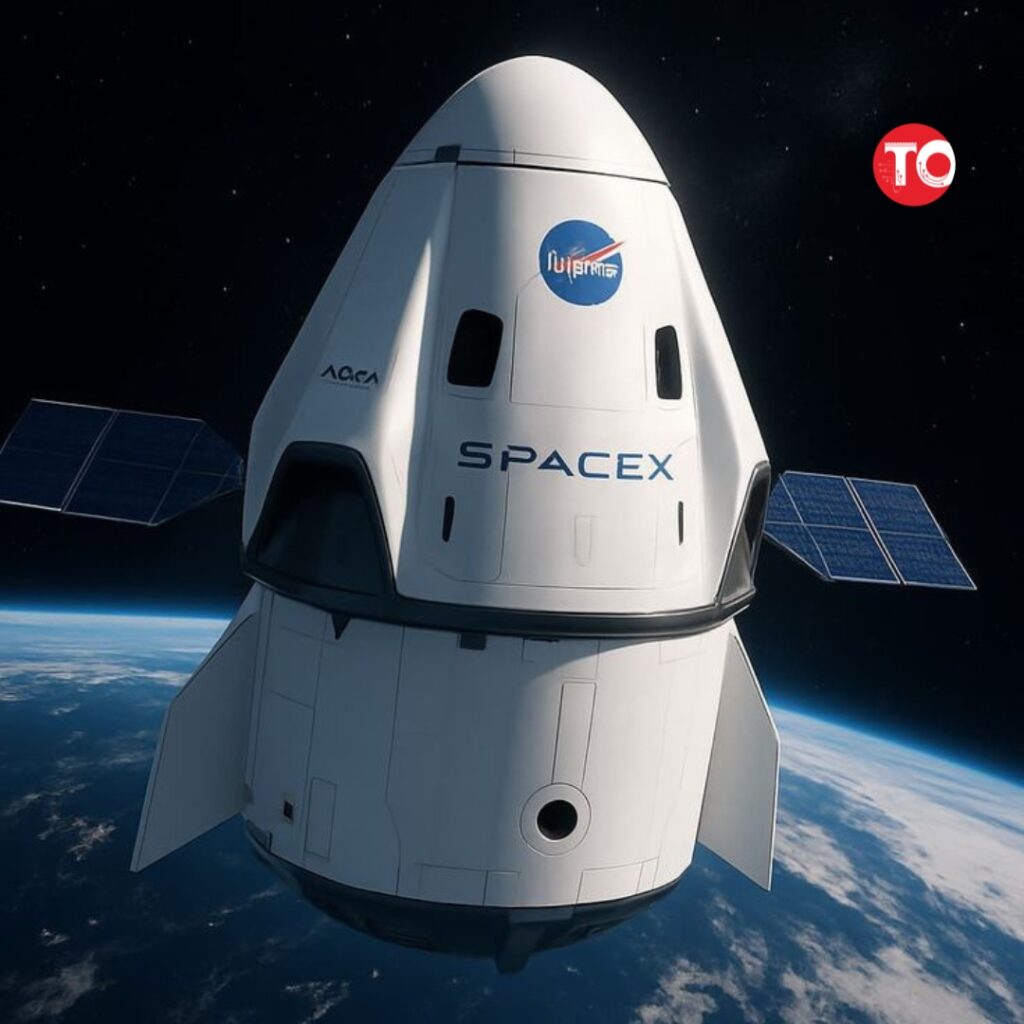





Google Prepares Prototype Satellite Launch to Evaluate Space-Based AI Computing
Google is scheduled to launch its inaugural prototype satellite into low-Earth orbit as part of Project Suncatcher, a research moonshot exploring the feasibility of building scalable AI data centers in space. Named MVP and developed in partnership with satellite company Planet, the refrigerator-sized spacecraft is set to lift off aboard SpaceX's Transporter-18 rideshare mission. The mission marks Google’s first real-world orbital test to evaluate how its custom Tensor Processing Unit (TPU) hardware performs under the physical stresses of spaceflight, cosmic radiation, and severe vacuum thermal conditions.
Technical Architecture and Onboard AI Hardware Capabilities
The experimental MVP spacecraft is designed to test basic AI workloads using onboard hardware and solar power:
- Custom Processing Unit: Carries four Google Trillium TPU chips to execute simple Gemini AI inferences directly while in orbit.
- Solar Power Generation: Utilizes solar panel arrays capable of generating approximately one kilowatt of power to run the onboard processing chips.
- Radiation Stress Testing: Evaluates real-time bit-flip error rates caused by solar radiation, expanding on ground tests conducted at UC Davis's Crocker Nuclear Laboratory.
- Custom Thermal Cooling: Deploys a specialized cooling setup combining heat pipes and radiators to diffuse chip heat in the vacuum of space, where traditional airflow cooling is impossible.
Tackling Vacuum Overheating and Radiation Environment Constraints
Operating high-density AI accelerators in space presents significant engineering hurdles. Because orbital vacuums lack airflow to dissipate heat, Google's engineering team designed a passive cooling system that transfers TPU heat directly to exterior radiators. During operational testing, initial runs may be constrained to brief periods to prevent hardware overheating while the cooling system's efficiency is evaluated in real time. Gathering telemetry on radiation bit flips and heat dissipation will inform hardware refinements for subsequent satellite generations.
Scalable Roadmap for Interconnected Orbital Satellites
Project Suncatcher's long-term vision involves deploying compact constellations of interconnected satellites rather than relying on a single large space station. Following the MVP mission, Google plans to launch two additional satellites in 2027 to test free-space optical laser links capable of high-bandwidth data transmission between adjacent spacecraft. Linking multiple satellites into a tight, formation-flying network could eventually allow orbital clusters to distribute heavy machine learning workloads while accessing near-constant sunlight for clean solar power.
Pioneering Orbital Infrastructure for Next-Generation Global Compute
Ultimately, Google’s launch of the MVP satellite under Project Suncatcher illustrates the technological boundary-pushing required to sustain the exponential growth of artificial intelligence. As terrestrial data centers face rising energy and cooling constraints, harvesting abundant solar power in low-Earth orbit offers a long-term pathway toward sustainable compute capacity. Successfully executing orbital TPU tests sets an extraordinary milestone for space-based processing, driving next-generation hardware innovation across the global technology ecosystem.