



Milestone Crewed Flight Advances Low-Emission Regional Aviation
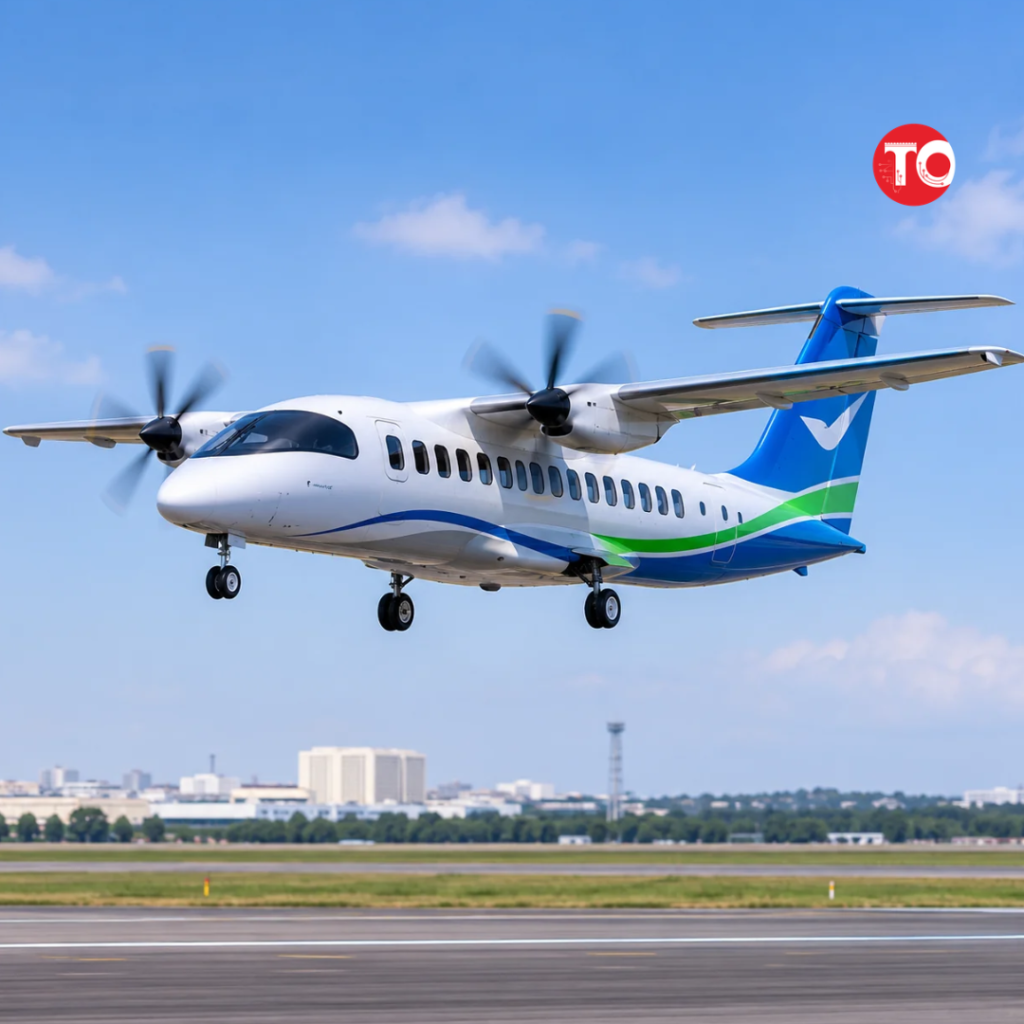
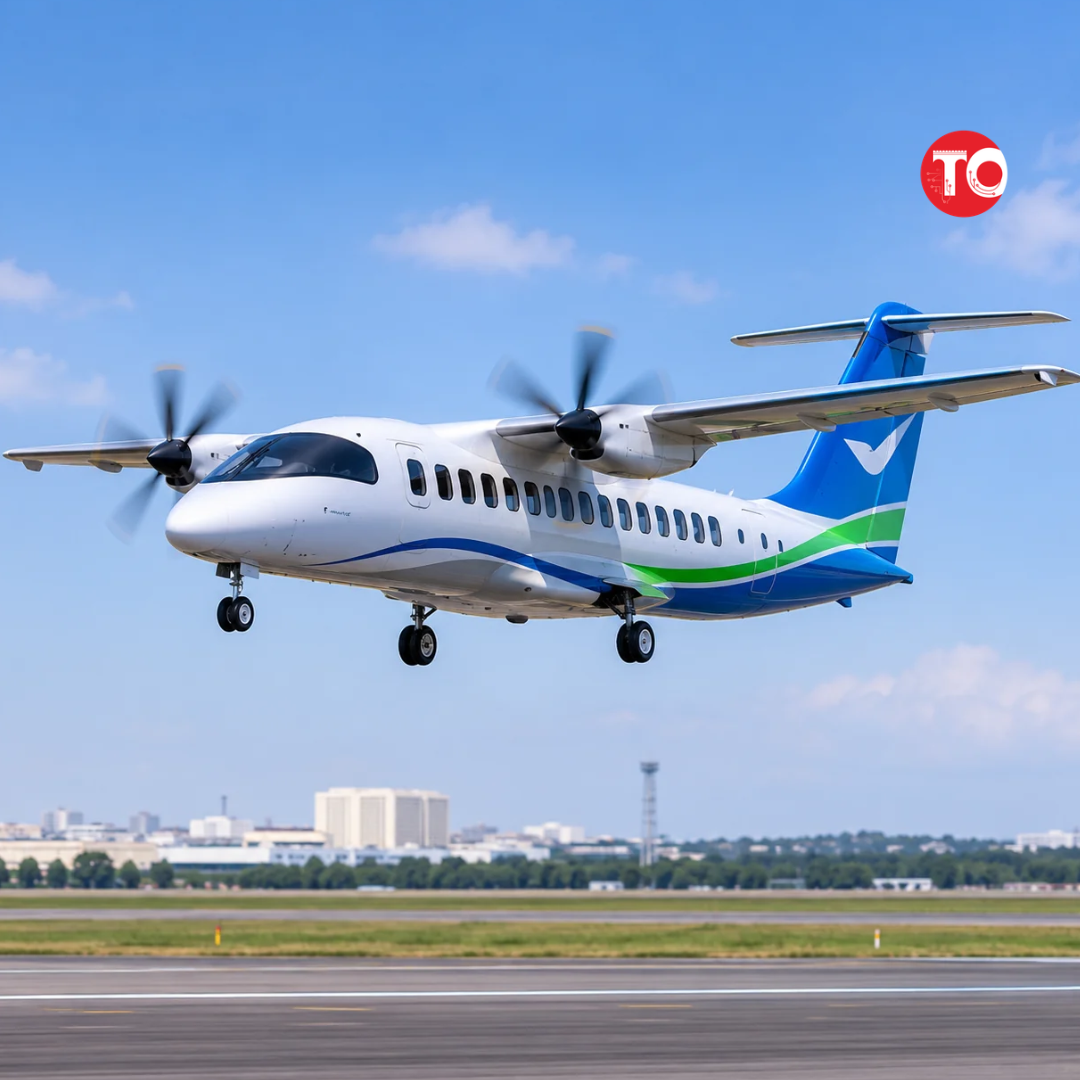
China has achieved a major breakthrough in sustainable aerospace technology after state-owned aircraft manufacturer COMAC successfully completed the first piloted test flight of its 19-seat CE-25A electric passenger aircraft. Conducted in Binzhou, Shandong province, with two pilots and a flight-test engineer aboard, the flight demonstrated normal system operations across all performance indicators. Developed jointly by COMAC, leading battery maker CATL, and Shanghai Jiao Tong University, the 10-tonne aircraft represents China’s first domestically developed electric commercial commuter plane designed to cut fuel consumption and carbon emissions on short intercity routes.
Technical Architecture and Distributed Electric Propulsion
Rather than relying on conventional turbofan or turboprop engines, the CE-25A incorporates an innovative distributed electric propulsion architecture engineered for efficiency and noise reduction:
- 10-Fan Wing Configuration: Features 10 electrically driven ducted fans—five mounted along the top of each wing—to maximize lift, reduce acoustic signatures, and enable takeoffs and landings on shorter regional runways.
- Operational Specifications: Boasts a maximum takeoff weight of 10 metric tons, a cruising speed of 300 km/h, and a cruising altitude of 2,400 meters.
- Range Capabilities: Officially listed with a 400-kilometre operational range (with earlier concept specifications targeting up to 500 kilometres), making it well-suited for short-haul intercity corridors.
- Autonomous Validation Pedigree: Prior to carrying a human crew, the aircraft completed 19 unmanned autonomous flight validation tests following its maiden uncrewed flight in February 2026.
Regulatory Progress Toward Commercial Airworthiness
While the successful piloted test marks a critical engineering milestone, the CE-25A must still undergo extensive flight-testing and regulatory scrutiny before entering commercial passenger service. The Civil Aviation Administration of China (CAAC) has formally accepted COMAC’s application for a type certificate under transport-category airworthiness regulations, officially initiating the inspection and certification process. No firm timeline has been announced for commercial deployment, as engineers must still validate battery endurance, charging turnaround times, and real-world operational economics.
Accelerating Global Competition in Electric Aviation
China’s rapid progress with a 19-seat pure-electric airliner intensifies the global race to decarbonize regional aviation. By pairing COMAC’s airframe engineering with CATL’s high-energy-density battery expertise, the consortium has moved swiftly from concept modeling to full-scale crewed flight testing. As Western competitors increasingly pivot toward hybrid-electric architectures to overcome current battery weight constraints, the CE-25A serves as a high-profile testbed for the commercial viability of all-electric commuter flight.
Transforming Short-Haul Intercity Air Mobility
Ultimately, the successful crewed debut of the CE-25A underscores how rapid advancements in battery energy density and distributed propulsion are reshaping the future of regional transport. Once certified, electric commuter aircraft of this class could unlock quieter, lower-cost, and zero-direct-emission air links between smaller regional hubs, establishing a cleaner foundation for next-generation aviation.