




Meta Unveils 'Muse Charm' Standalone AI Hardware
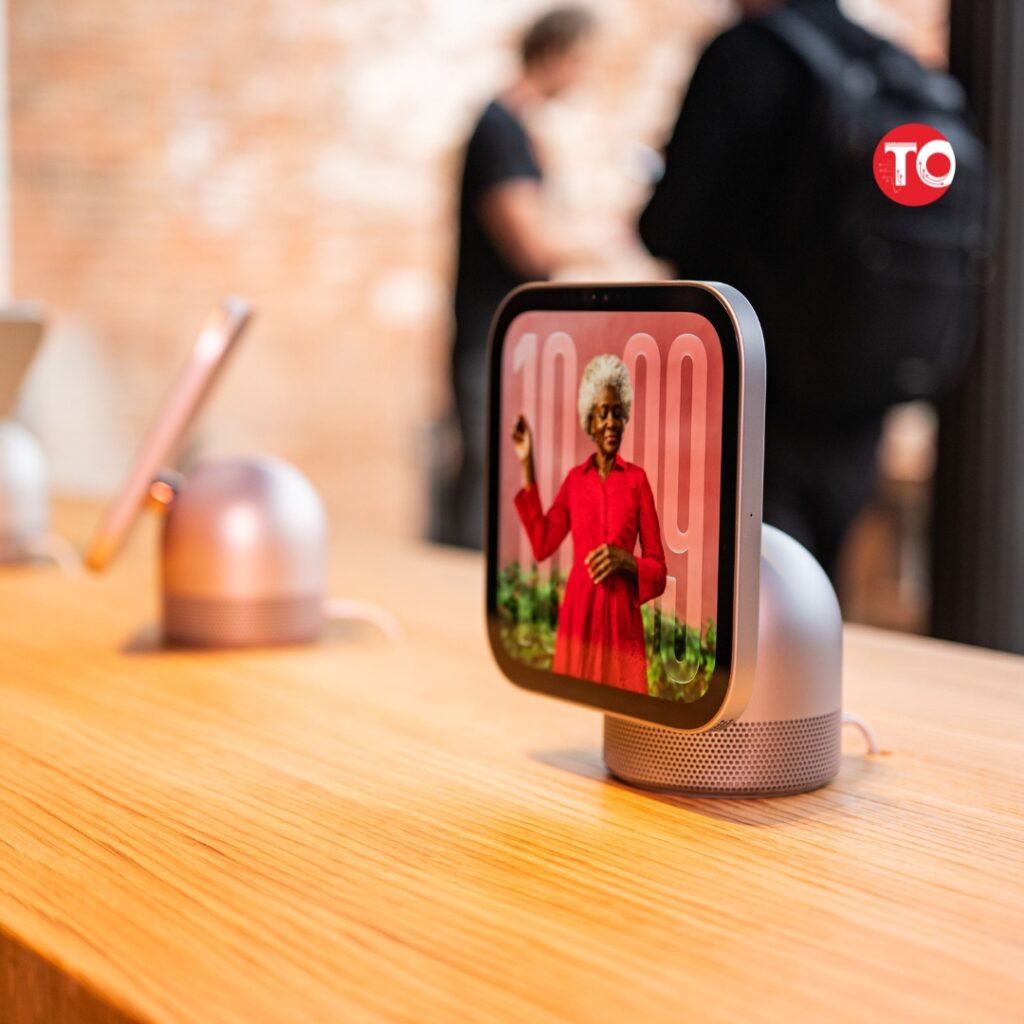
Meta has officially expanded its hardware lineup beyond smart glasses and VR headsets with the introduction of 'Muse Charm,' a dedicated pocket-sized artificial intelligence device. Engineered as a standalone physical hub for Meta’s newly launched personal AI agent, Muse, the compact gadget allows users to access voice assistance and automated tasks without relying on wearable smart glasses or smartphones. Featuring a compact handheld design with an integrated touchscreen display, camera, and independent cellular connectivity, the hardware represents Meta’s strategy to establish a direct, owned computing environment for consumer AI interactions.
Core Technical Features and Standalone Architecture
The hardware architecture of Muse Charm prioritizes quick, hands-free and touch interactions tailored for agentic digital tasks. Key technical specifications reported across the initial reveal include:
- Compact Display: Features a two-inch OLED touchscreen designed for rapid status updates, contextual prompts, and visual feedback.
- Integrated Optical Sensors: Built-in cameras enable multimodal vision capabilities, allowing the AI to analyze real-world physical surroundings.
- Independent Cellular Connectivity: Equipped with a built-in 5G modem, enabling continuous cloud interaction with the Muse agent without requiring constant Wi-Fi tethering.
- Localized Processing Framework: Designed to run small language models locally on-device alongside cloud computing to reduce operational latency.
Deep Integration with Meta's Personal Agent Infrastructure
At the core of the device is its native connection to Meta’s Muse AI agent, a system built to perform proactive personal assistance across third-party digital ecosystems. Unlike basic conversational chatbots, the underlying AI platform handles complex end-to-end tasks, such as managing email inboxes, making restaurant reservations, and completing online grocery purchases through service partners. Delivering this functionality inside a dedicated keychain-friendly gadget provides consumers with an alternative touchpoint that operates independently of third-party mobile operating systems like iOS or Android.
Strategic Positioning in the Evolving AI Hardware Market
Introducing Muse Charm highlights Meta’s commitment to capturing consumer mindshare across emerging hardware categories. Industry analysts note that offering a dedicated handheld companion appeals to demographic segments hesitant to adopt facial wearables like smart glasses, while offering a nostalgic form factor reminiscent of early digital companions. By pairing localized hardware with powerful back-end models, Meta aims to bypass app store restrictions and create an immersive consumer ecosystem where artificial intelligence serves as the primary user interface.
Long-Term Implications for Consumer Tech Ecosystems
Ultimately, Meta’s launch of Muse Charm signals a broader shift toward specialized hardware built explicitly for agentic artificial intelligence. As tech developers race to make AI interactions seamless, dedicated devices offer continuous availability, specialized input controls, and dedicated sensor arrays optimized for real-time contextual assistance. If adoption scales, pocket-sized AI companions could redefine how users delegate daily administrative tasks, reshaping personal productivity and digital engagement across global consumer markets.