


In today's fast-paced and competitive world, one of the best strategic assets that an organization
can rely on its functioning is leadership. Due to technological transformation, globalization,
economic uncertainty and the changing demands of the workforce, organizations are changing
the way they develop and manage their leaders. The old-fashioned leadership styles –
administration and compliance will not suffice to keep organizations successful over time.
Today's organizations are realizing that leadership goes beyond policies and procedures and
that their leaders need a constant source of strategic abilities for anticipating change, making
decisions, fostering innovation, and helping to meet organizational goals. Organizations are
looking to stay competitive and resilient, and a change from compliance to capability
leadership has become a strategic imperative for leadership development.
Compliance Based Leadership based on Compliance of the Organization Policies, Legal
Requirements, Ethics and Governance. In this context, organizations focus on the compliance
of the managers and employees with the set rules and procedures to minimize the risks in the
organization, enhance accountability and ensure consistency. Compliance-oriented leadership
will help in the standardization of processes, internal controls, and ethical decision-making,
which will help establish a solid governance framework for operations. But compliance is not
enough to equip leaders to address new business issues, or new market dynamics. When leaders
focus on compliance requirements, they may be more interested in sustaining the systems than
in identifying innovations and opportunities for making improvements within the organization.
Thus, organizations have come to believe in general that compliance is the foundation for
building leadership skills.
Leadership capability is a wider thought in relation to leadership development as it is about the
skills, behaviors and competencies required to effectively lead organizations in the complexity
of the world. Capability Based Leadership encourages strategic thinking, effective
communication, understanding of emotional intelligence, innovation, problem solving, and
change management. Organizations that invest in leadership capability build ongoing learning
environments, by means of mentoring, coaching, leadership development programs, and
learning by doing. These are the leaders who will be more likely to face future challenges,
drive change within the organization, foster teamwork and build strong teams that will be able
to function for the long haul. Capability development is not solely about the needs of the
organization, it is about developing leaders who can add to the organization’s growth, improve
the quality of decision making and improve the long-term competitiveness of the organization.
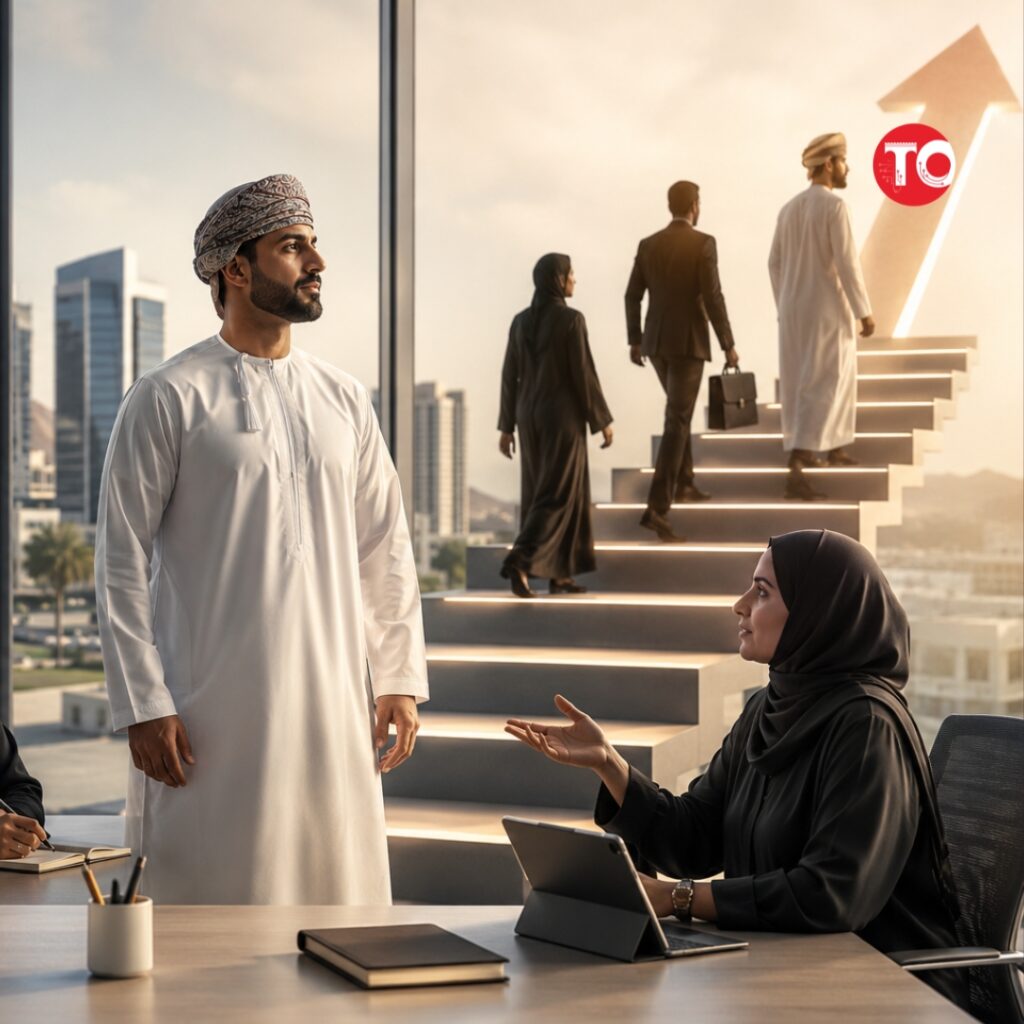
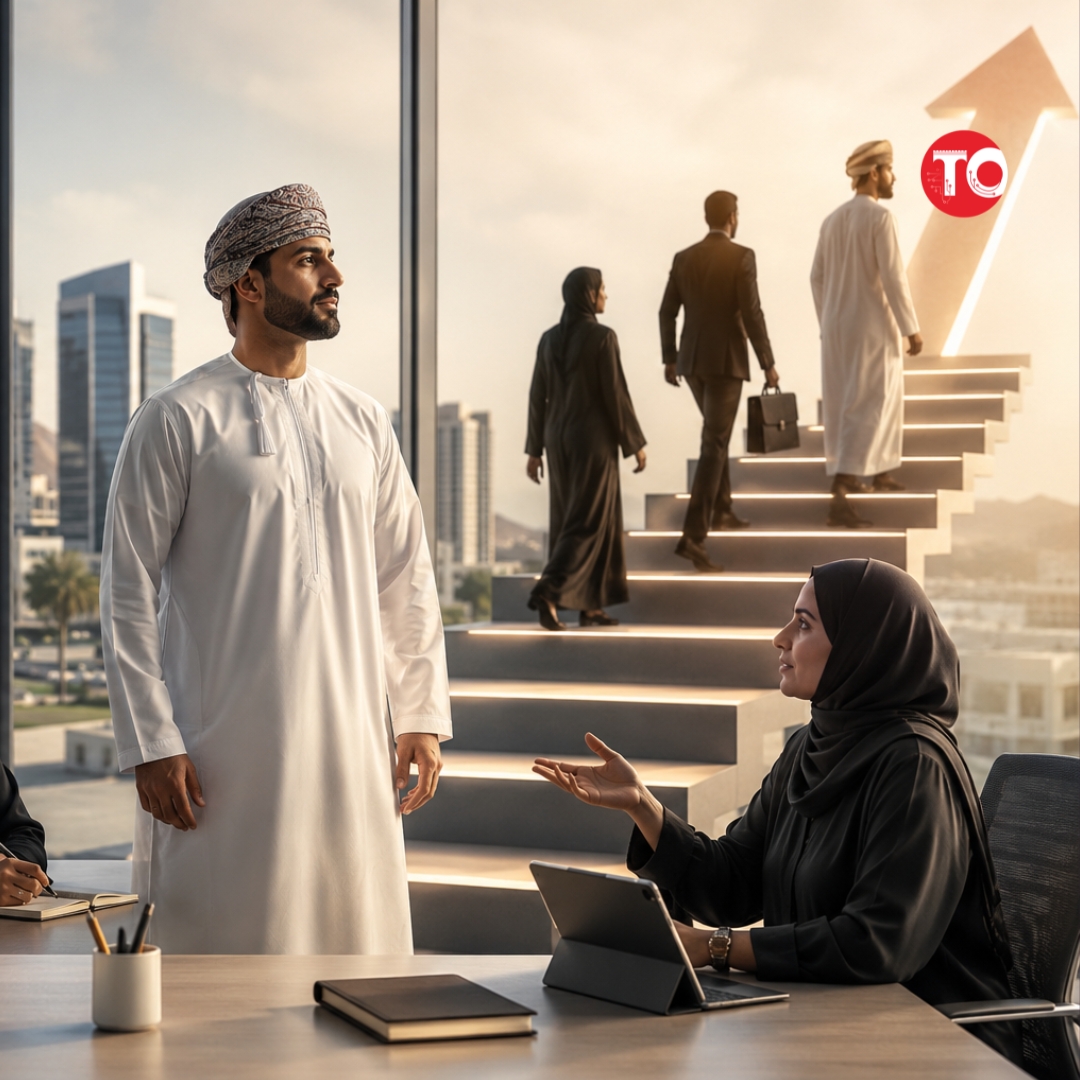
The strategic leadership pipeline has emerged as a valuable tool to ensure leadership continuity
and organizational sustainability. Leadership Pipeline is a systematic process in which
organizations identify, develop, and prepare employees that have the potential to become
leaders. The problem with leadership is that organizations cannot just wait for the role to arise,
they need to have a succession plan in place that provides their staff with leadership
opportunities at distinct stages of their careers. Typically, strategic leadership pipelines are
integrated within a framework of talent identification, competency assessment, mentoring,
coaching, leadership training, performance evaluation, and succession planning. This can help
to reduce succession risk, increase leadership resilience and pre-plan for leadership needs in
the future, and can make leadership development an ongoing process in the organization.
As Oman moves towards realizing its Vision Oman 2040, enhancing strategic leadership
capability has become more critical. The transformation of the country's human capital
development, innovation, economic diversification, and institutional excellence will
necessitate a change in leadership styles in organizations, both public and private, from
compliance to capability. The building of competent Omani leaders is critical for strengthening
the competitiveness of the organization, good governance, Omanization goals and future
leaders for more complex roles. Hence, there is a growing focus within organizations on
leadership development, succession planning, talent management, and ongoing capability
enhancement to ensure that leadership is equipped with strategic capabilities to enable them to
manage organizational change and support national development objectives.
Compliance-based leadership, leadership capability, and strategic leadership pipelines offer a
holistic view of sustainable leadership development. Compliance provides accountability,
ethical conduct and governance, and capability brings the skills to leaders to manage
uncertainty, foster innovation and drive strategic goals. Strategic leadership pipelines take all
these components into account, by establishing formal processes for identifying, developing,
and preparing leaders for the future. Leadership capacity is an important investment in the
resilience, performance, and sustainable national development of organizations in Oman. So,
the transition from compliance to capability is also a strategic transition of preparing leaders
to effectively lead within an ever evolving and more competitive environment.