



Artificial Intelligence is transforming the world around us. From virtual assistants and intelligent chatbots to self-driving vehicles and predictive analytics, AI is reshaping industries at an unprecedented pace. While much of the conversation focuses on technology, automation and productivity, there is another question that deserves equal attention: What will make humans indispensable in an AI-driven world?
The answer may surprise many people. It is not coding, data science or technical expertise alone. It is Emotional Intelligence (EQ) which is the ability to understand, manage and respond effectively to emotions of our own and those of others.
AI Can Process Data but Humans Understand People
AI excels at analysing vast amounts of information, identifying patterns and making predictions. It can write reports, answer questions and automate repetitive tasks with remarkable speed and accuracy.
However, AI does not genuinely understand human emotions. It cannot truly empathise with a colleague facing a difficult situation, inspire a team during uncertain times, or build trust through authentic relationships.
A manager supporting an anxious employee, a teacher motivating a struggling student, or a doctor reassuring a worried patient demonstrates qualities that technology cannot fully replicate. These moments rely on empathy, compassion and emotional awareness, traits that remain deeply human.
The Workplace Is Changing
As AI takes over routine and repetitive work, the nature of jobs will evolve. Employees will spend less time performing mechanical tasks and more time focusing on collaboration, innovation and decision-making.
In this new environment, success will depend not only on what people know but also on how they interact with others. Skills such as active listening, adaptability, conflict resolution, teamwork and leadership will become increasingly important.
Organisations are already recognising that technical competence alone is not enough. The most effective leaders combine business expertise with emotional intelligence, enabling them to build strong teams, navigate change and create a culture of trust.
Why Emotional Intelligence Matters More Than Ever
Building Trust
In a world where interactions are increasingly digital, trust becomes a critical differentiator. People naturally gravitate towards individuals who demonstrate authenticity, empathy and understanding.
Leading Through Change
AI adoption often brings uncertainty. Leaders with strong emotional intelligence can communicate clearly, address concerns and help teams embrace change rather than fear it.
Strengthening Customer Relationships
Customers may appreciate fast service from AI-powered systems but they still value genuine human connection when facing complex decisions or emotional situations. Businesses that combine technological efficiency with human empathy will be best positioned for long-term success.
Preparing the Next Generation
For students and young professionals, the rise of AI presents both opportunities and challenges. While technical skills remain important, future-ready individuals must also develop their emotional and interpersonal capabilities.
Learning how to communicate clearly, collaborate effectively, solve problems creatively and understand different perspectives will be essential career skills. The ability to work alongside AI rather than compete with it will define the leaders of tomorrow.
Educational institutions and employers must therefore focus on developing both technical and human-centred capabilities. The future workforce will need a balance of intelligence and empathy.
The Future Belongs to Human-AI Collaboration
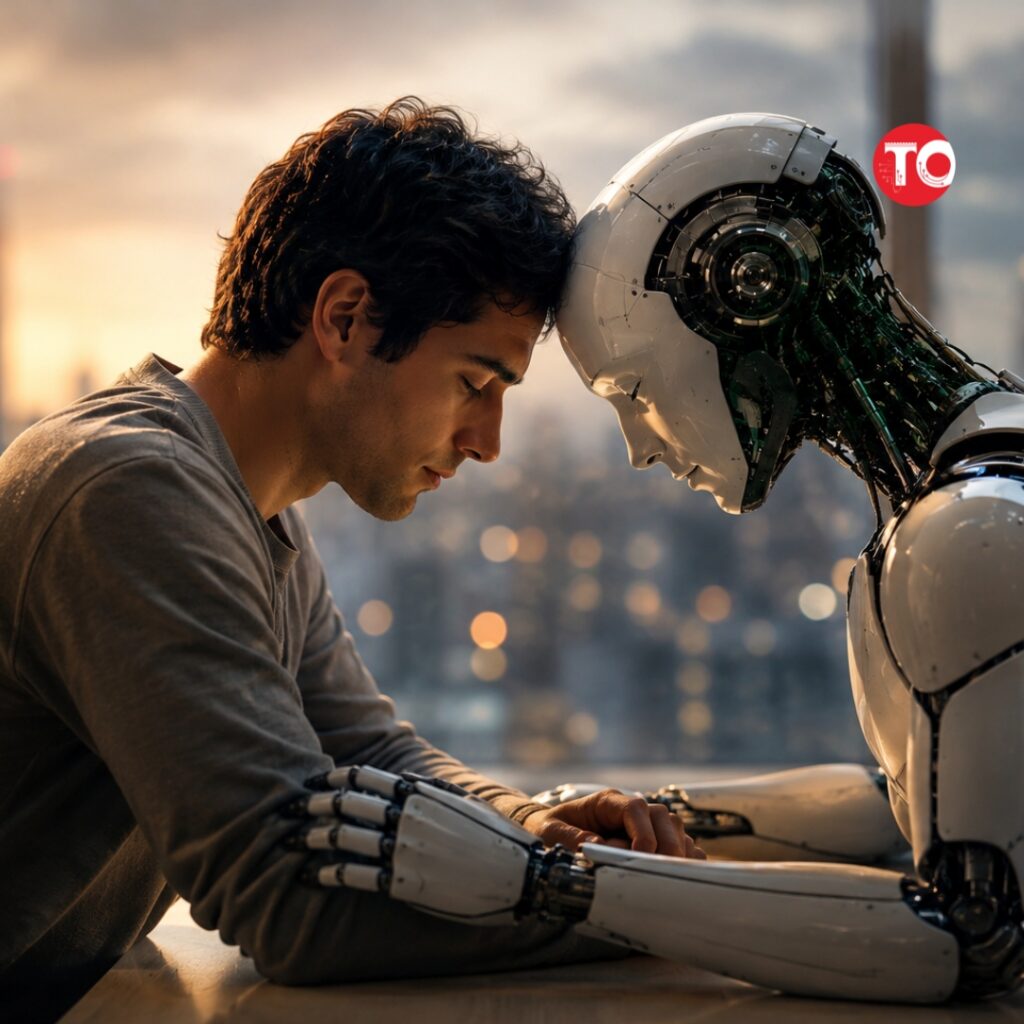
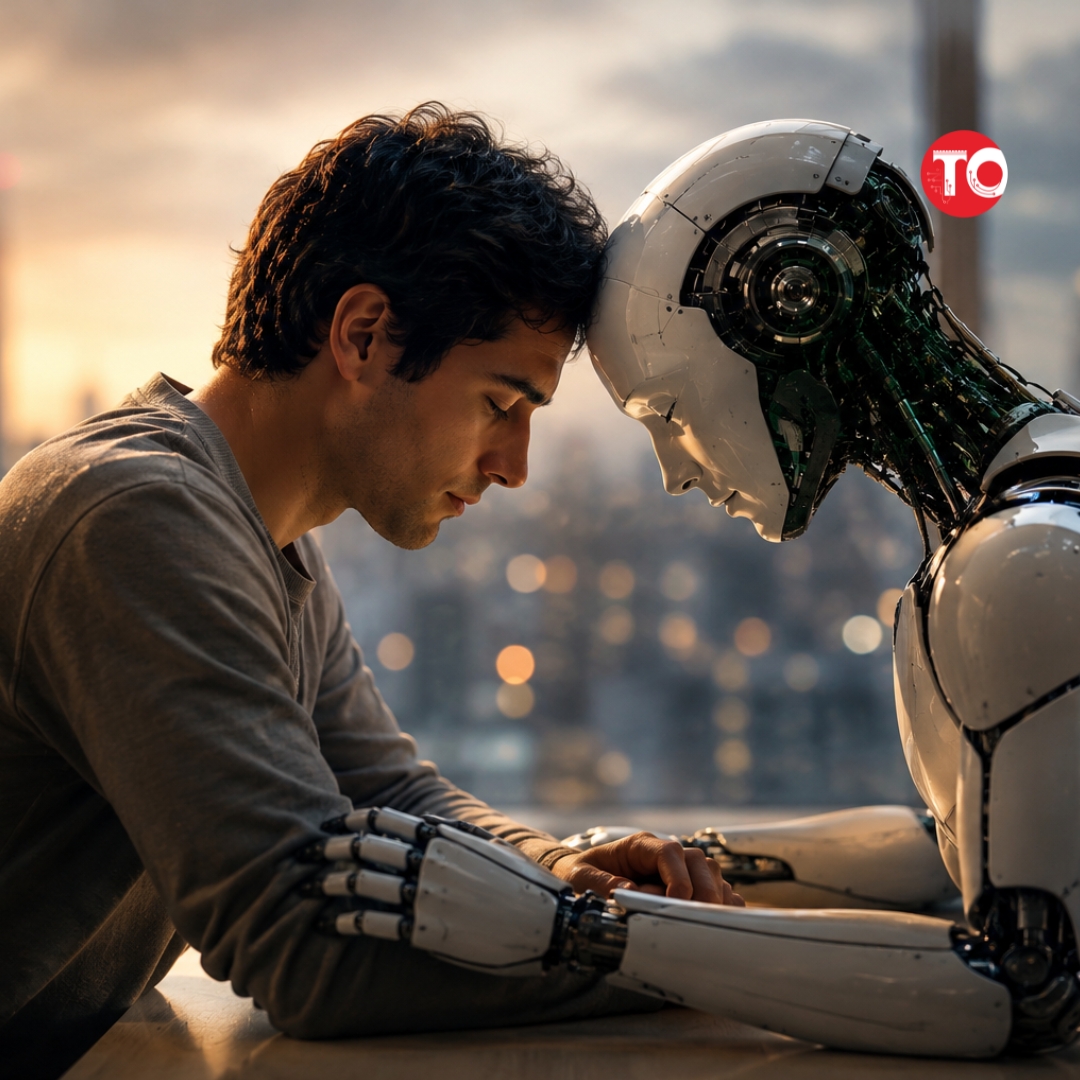
The future is not a competition between humans and machines. Instead, it is a partnership where each contributes its strengths. AI can analyse data, automate processes and improve efficiency. Humans can provide judgement, ethics, creativity, empathy and emotional understanding.
The most successful organisations will not be those that simply adopt the latest AI technologies. They will be the ones that empower people to use these technologies while preserving the human qualities that drive meaningful relationships and innovation.
Final Thoughts
As AI continues to reshape our world, emotional intelligence will become one of the most valuable skills of the twenty-first century. Technology may automate tasks, but it cannot replace humanity's capacity for empathy, trust, inspiration and connection.
In the age of artificial intelligence, being more human may turn out to be our greatest advantage.