




Neuralink Prepares First Human Implants for Blindsight Technology
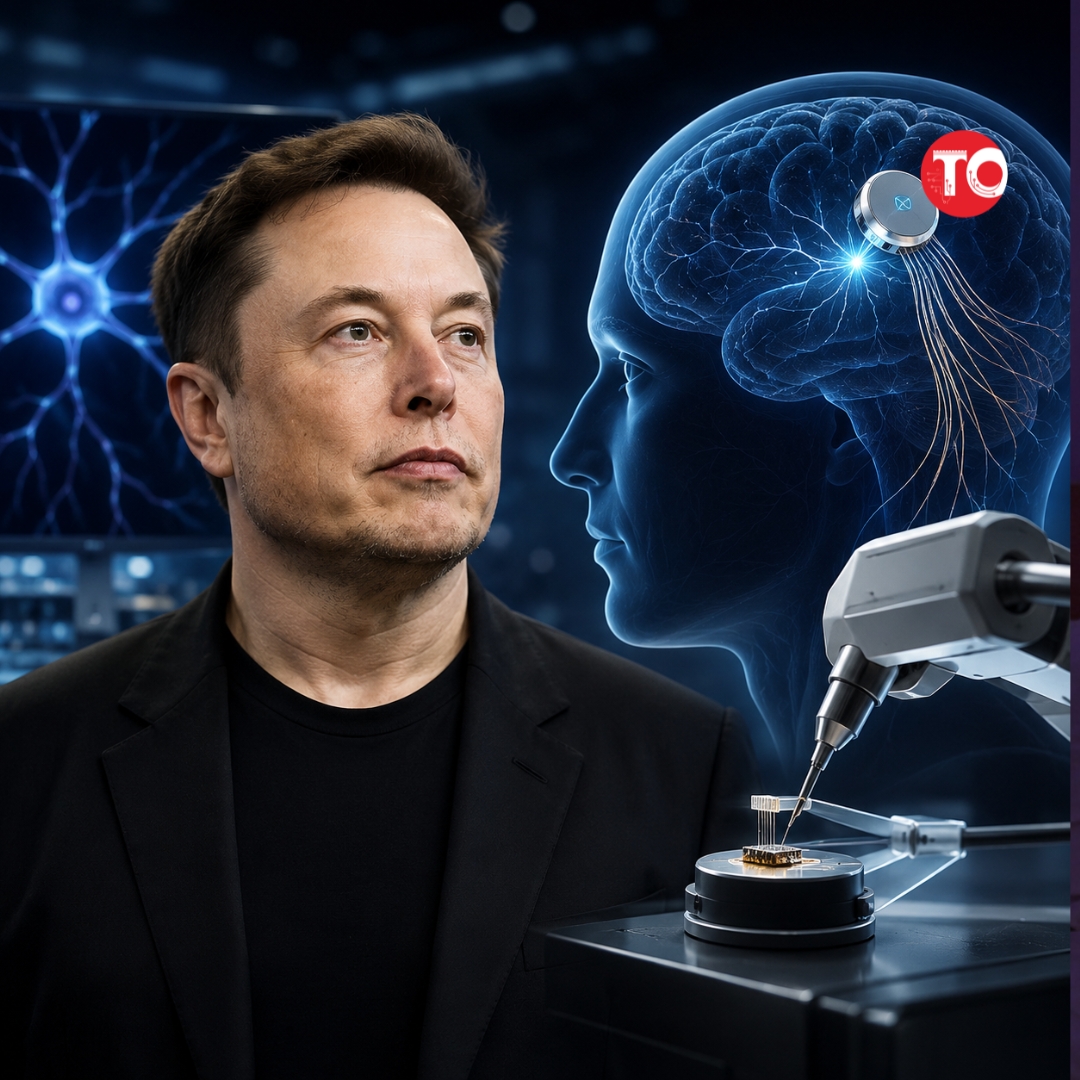
Neurotechnology company Neuralink is preparing to implant its first "Blindsight" vision restoration devices within the next 6 to 12 months, according to company founder Elon Musk. Designed to bypass damaged eyes and optic nerves completely, the brain-computer interface works by transmitting digital visual signals directly to the brain’s visual cortex. The upcoming human trials represent a major milestone in neuroprosthetics, offering new possibilities for individuals experiencing severe visual impairment or total blindness.
Bypassing Ocular Damage to Deliver Direct Visual Cortex Signals
The underlying architecture of Neuralink's Blindsight device relies on delivering targeted electrical stimulation to neurons in the primary visual cortex. By circumventing ocular structures entirely, the technology offers potential solutions for individuals whose optic nerves or eyes are non-functional. While Musk envisions future iterations enabling expanded perception—such as infrared, ultraviolet, and radar-like vision capabilities—the initial clinical versions are engineered to produce low-resolution visual sensations that will require significant neurological rehabilitation and training.
Challenges and Rehabilitation for Congenitally Blind Patients
For individuals who have been blind from birth, processing artificially generated visual signals presents unique neurological challenges. Because the visual cortex in congenitally blind individuals has not previously interpreted spatial or light data, patients will require extensive post-implantation training to learn how to interpret basic shapes, contrast, and movement. Despite these rehabilitation demands, neuroscientists and engineers view direct cortical stimulation as a foundational step toward functional sight restoration for congenital and acquired blindness.
Regulatory Breakthrough Accelerates Human Clinical Development
Neuralink’s progress has been bolstered by regulatory recognition in the United States, where the Food and Drug Administration (FDA) granted Blindsight its official Breakthrough Device designation. This regulatory status provides an expedited review process and interactive guidance from federal health authorities, accelerating clinical trial protocols. As Neuralink expands its broader human brain-computer interface trials, the designation reflects growing medical interest in commercial neuroprosthetic applications for severe neurological conditions.
Long-Term Outlook for Brain-Machine Interfaces and Human Augmentation
Ultimately, the planned rollout of Neuralink’s Blindsight device marks a pivotal moment in the evolution of medical neurotechnology. As brain-computer interfaces transition from experimental laboratory settings to structured clinical trials, the technology holds profound implications for medical rehabilitation and future human-machine interaction. Successful human implementation could redefine treatment approaches for sensory loss while laying the groundwork for advanced neuroprosthetic devices worldwide.