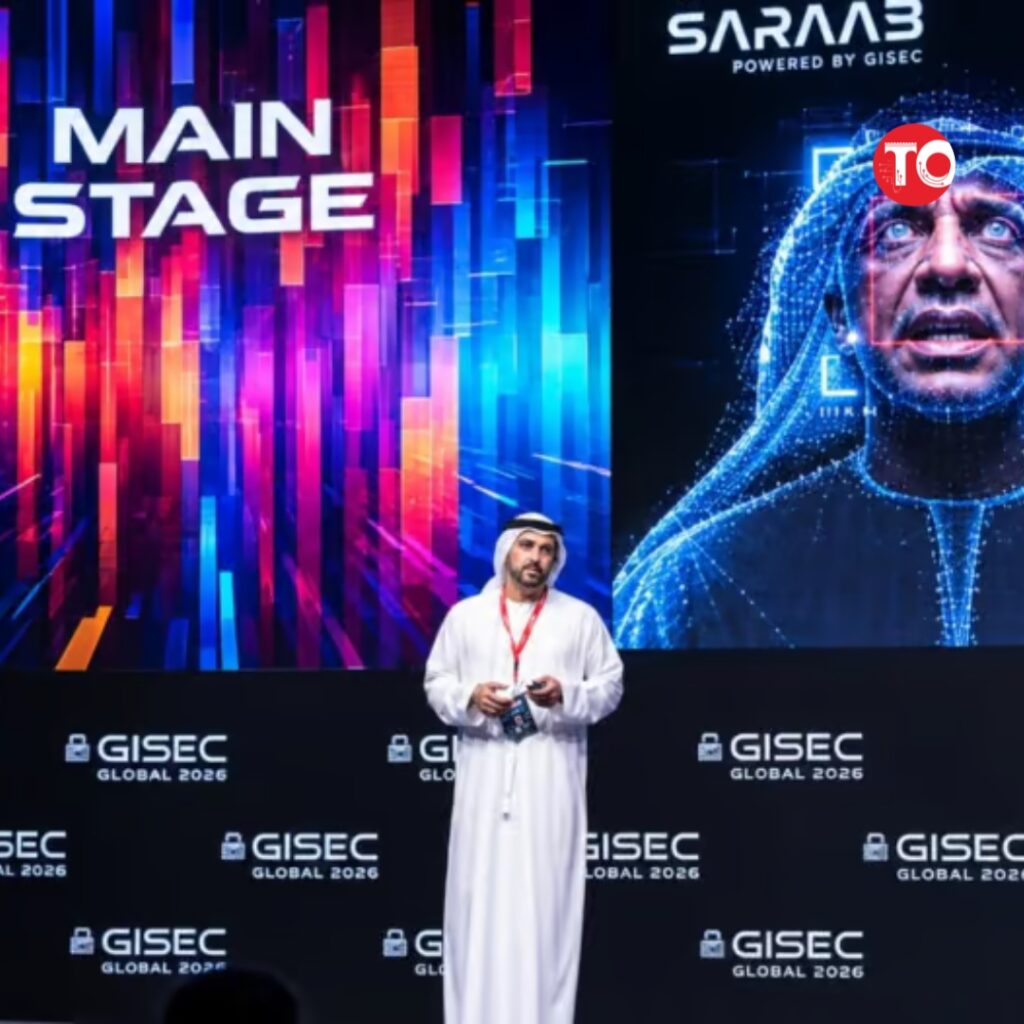



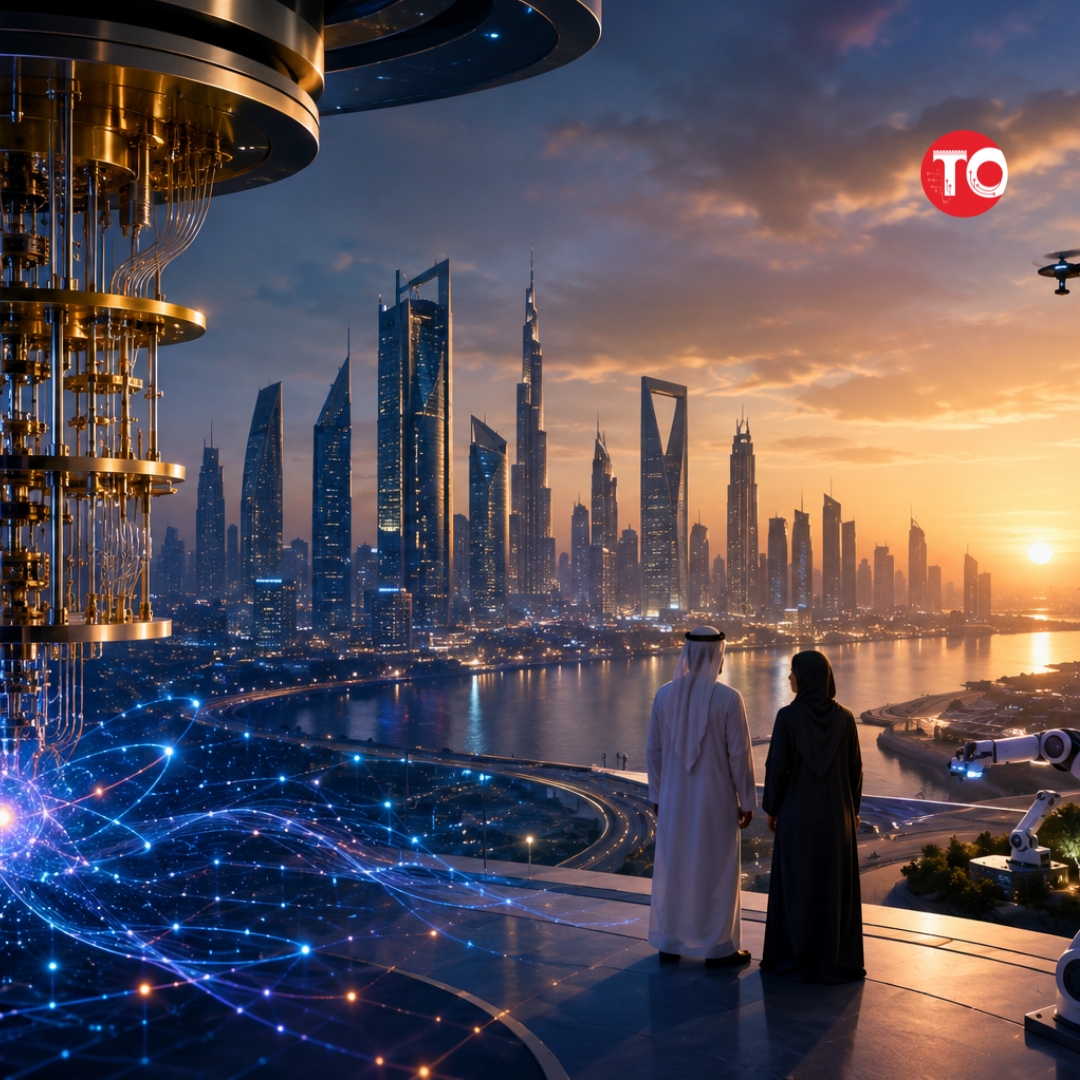
The Gulf Cooperation Council (GCC) has spent the last decade building world-class infrastructure, digital economies, and innovation ecosystems. The next chapter is no longer just about digital transformation. It is about frontier technologies that will define the global economy over the next 20 years.
Among these technologies, quantum computing, artificial intelligence, advanced robotics, biotechnology, advanced materials, and semiconductor innovation stand out as the foundation of the next industrial revolution.
The GCC has a unique opportunity to become not just a consumer of these technologies, but a global leader in developing, commercializing, and exporting them.
What is Deep Tech?
Deep tech refers to innovations built on significant scientific or engineering breakthroughs rather than incremental software improvements.
Unlike traditional startups that focus on convenience or consumer apps, deep tech companies solve complex problems in industries such as healthcare, manufacturing, aerospace, energy, logistics, and national security.
Examples include:
- Quantum computing
- Artificial Intelligence
- Robotics and autonomous systems
- Space technology
- Biotechnology
- Advanced materials
- Clean energy technologies
- Semiconductor innovation
- Photonics and advanced sensing
These sectors require years of research and development but create long-term economic value and high barriers to entry.
Why Quantum Technology Matters
Quantum technology is expected to revolutionize computing by solving problems that today's most powerful supercomputers cannot efficiently address.
Its applications include:
- Drug discovery and pharmaceutical research
- Financial risk modeling
- Supply chain optimization
- Climate simulation
- Cybersecurity through quantum-safe encryption
- Smart city optimization
- Energy grid management
- Defense and national security
Countries investing early in quantum technologies will gain strategic advantages similar to those achieved during the rise of the internet and artificial intelligence.
The GCC is Positioned for Leadership
The GCC governments have already demonstrated their commitment to innovation through ambitious national visions.
The UAE continues to position itself as a regional leader in AI, digital transformation, and advanced research.
Saudi Arabia is investing billions into emerging technologies through large-scale economic diversification initiatives.
Qatar continues expanding research through universities and technology partnerships.
Oman, Bahrain, and Kuwait are increasingly supporting entrepreneurship, digital infrastructure, and innovation ecosystems.
The region benefits from:
- Strong sovereign wealth funds
- Political stability
- Strategic geographic location
- World-class infrastructure
- Growing startup ecosystems
- Government-backed innovation programs
These advantages create an ideal environment for deep tech commercialization.
The Role of Artificial Intelligence
Artificial Intelligence is becoming the operating system for every industry.
When combined with quantum computing, AI could dramatically accelerate:
- Medical research
- Manufacturing automation
- Scientific discovery
- Financial forecasting
- Autonomous transportation
- Cybersecurity
- Climate modeling
Organizations that prepare today will be positioned to capture enormous productivity gains over the coming decade.
Challenges Ahead
While the opportunity is significant, several challenges remain.
The GCC must continue investing in:
- STEM education
- Research universities
- Venture capital for deep tech startups
- Talent attraction
- Public-private partnerships
- Intellectual property development
- Regulatory frameworks for emerging technologies
Building a sustainable innovation ecosystem requires collaboration between governments, universities, investors, corporations, and entrepreneurs.
Opportunities for Entrepreneurs
The next generation of billion-dollar companies in the GCC may not be social media platforms or delivery apps.
They may emerge from industries such as:
- Quantum software
- AI infrastructure
- Robotics automation
- Medical technology
- Climate technology
- Smart manufacturing
- Defense technology
- Space innovation
- Industrial AI platforms
Entrepreneurs who understand these markets today will have a significant first-mover advantage.
Looking Beyond Oil
Economic diversification has become a central priority across the GCC.
Deep tech provides an opportunity to build knowledge-based economies capable of generating sustainable growth, creating high-skilled jobs, and attracting global investment.
The future competitiveness of the region will increasingly depend on intellectual property, research, and advanced technology rather than natural resources alone.
Conclusion
The GCC stands at the beginning of a new technological era. Frontier technologies such as quantum computing, artificial intelligence, robotics, biotechnology, and advanced manufacturing are reshaping industries worldwide.
The region has the capital, ambition, infrastructure, and strategic vision to become a global hub for deep tech innovation.
The question is no longer whether these technologies will transform the global economy. The real question is which countries and companies will lead that transformation.
For businesses, investors, entrepreneurs, and policymakers across the GCC, the time to invest in frontier technology is now. Those who act early will help define the next generation of economic growth and technological leadership in the Middle East.