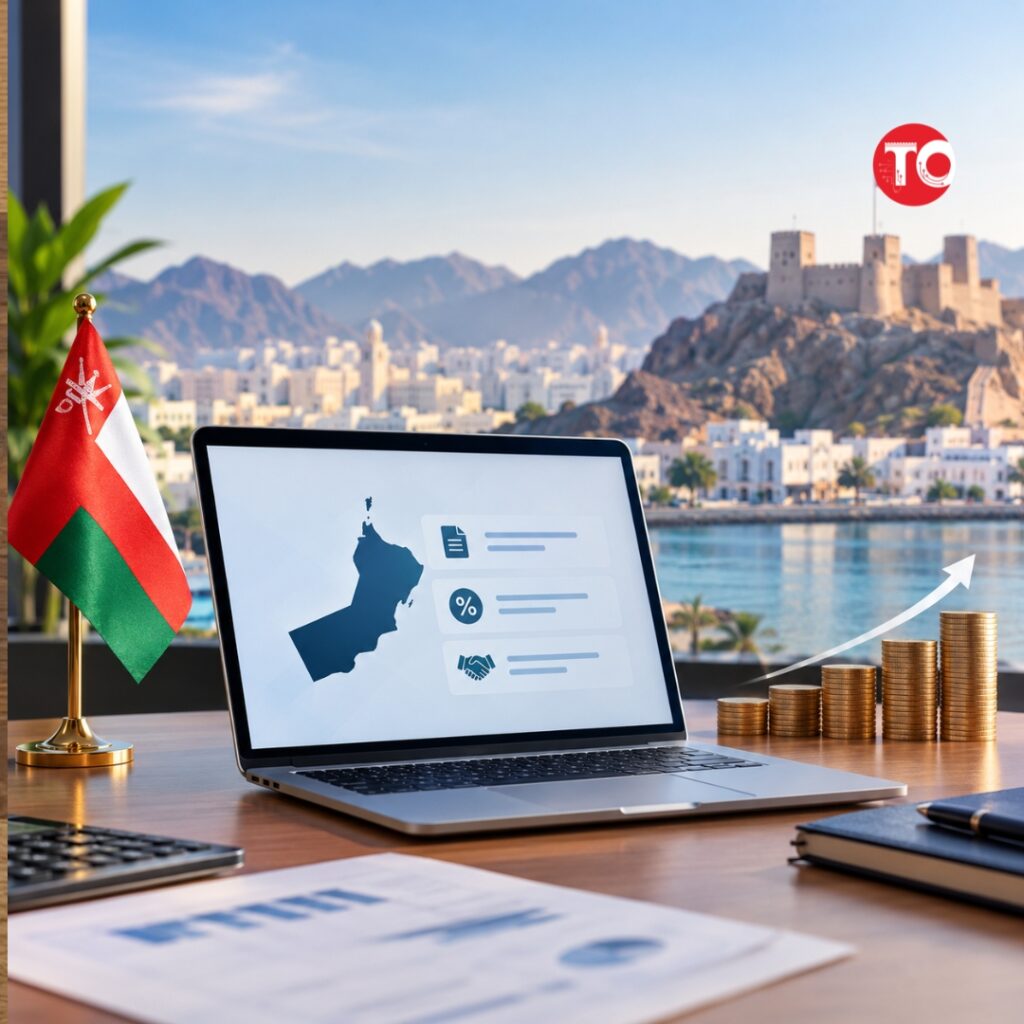





The Omani tech landscape reached a major milestone this week as Afouq Investment and Development United was officially named the first Omani private sector investor and operator for the newly established Special Artificial Intelligence Zone in Muscat. This announcement follows closely on the heels of Royal Decree No. 50/2026, which formalizes the zone’s legal framework and marks a decisive pivot toward "New Economy" projects under Oman Vision 2040.
Muscat-based Afouq has been granted a license to develop, manage, and operate a significant 105,000 m² plot within the zone, located in the Wilayat of Al Seeb. The firm, which has an established presence in Saudi Arabia and Yemen, is expected to spearhead the initial phase of development. Early projections suggest an investment of approximately RO 100 million (roughly $260 million USD), supported by a partnership with Egypt’s Prime Group to build out the essential infrastructure required for high-tech tenants.
The strategic goal for this "sensor-rich" economic hub is to move beyond traditional software development and into hardware-intensive sectors. Afouq’s leadership, led by Chairperson Dr. Siham al Harthy, has indicated that the zone will prioritize attracting global leaders in semiconductors, quantum computing, and cybersecurity. By centralizing these industries, Oman hopes to foster a "concentrated innovation ecosystem" where startups can benefit from proximity to researchers, capital, and the government’s digital corridor.
To ensure global competitiveness, the AI Special Economic Zone offers a robust package of incentives and exemptions. These include tax holidays, customs exemptions, and specialized land usufruct rights designed to lower the barriers to entry for international tech giants. The zone is managed by the Public Authority for Special Economic Zones and Free Zones (OPAZ) in coordination with the Ministry of Transport, Communications and Information Technology, ensuring that regulatory support is as advanced as the technology it aims to host.
For Oman, the success of the AI Zone is tied to broader national metrics, specifically the goal of raising the digital economy’s contribution to GDP to 10% by 2040 (up from just 2% in 2021). By empowering a local firm like Afouq to lead the way, the government is signaling that the private sector is no longer just a spectator but a primary engine in achieving digital sovereignty. As construction begins, the zone is poised to become the regional focal point for Omani youth seeking high-quality employment in the fields of robotics and advanced analytics.