



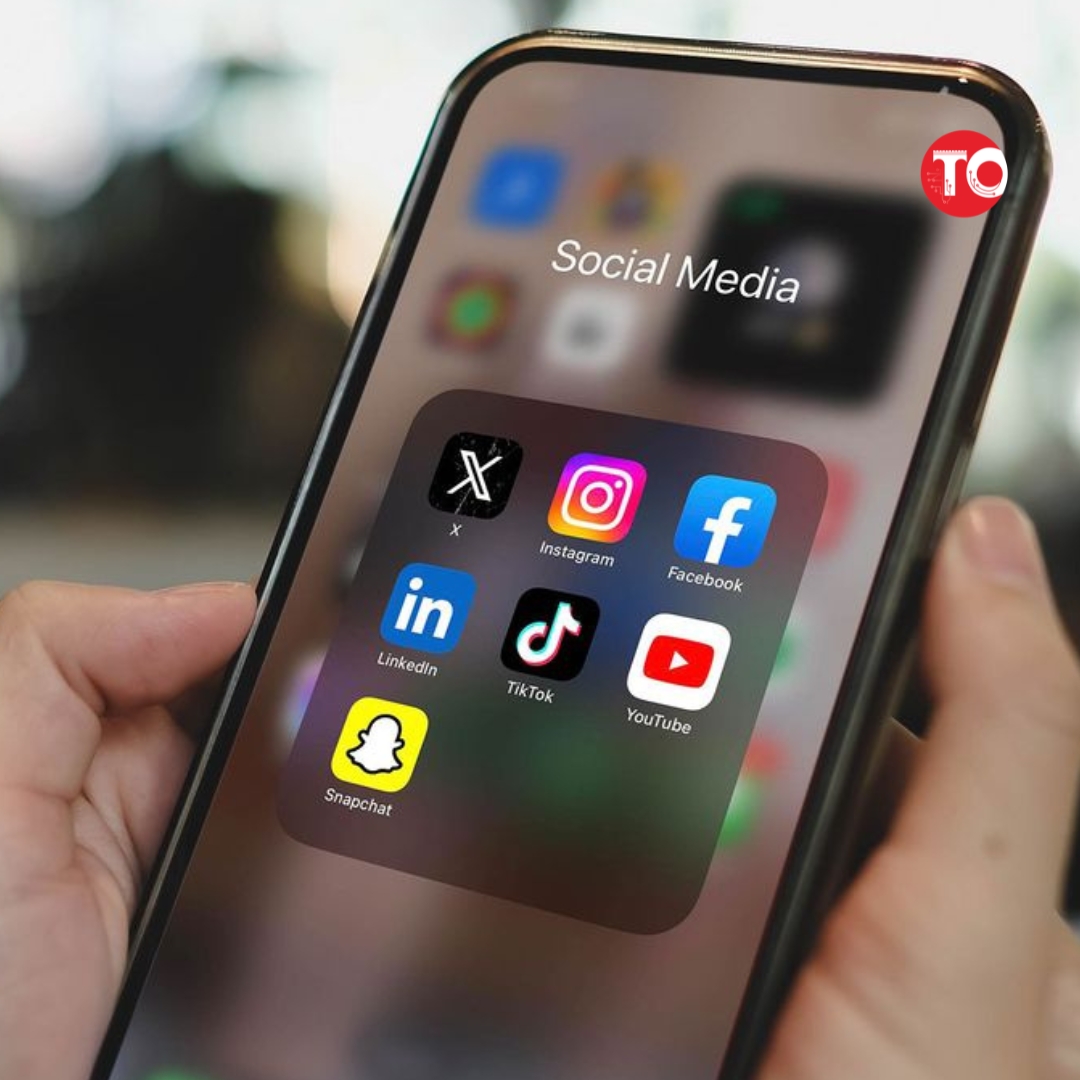
Internal government documents have revealed that Australia’s world-first social media ban for minors has seen "no meaningful shift" in user behavior since its implementation. Despite a high-profile crackdown that went into effect on December 10, 2025, an eSafety Commission briefing obtained by AFP indicates that teenagers largely bypassed the restrictions or returned to major platforms like TikTok and Instagram after only brief absences.
The report, dated February 2, 2026, shows that while millions of accounts belonging to underage users were initially removed, big tech platforms continued to dominate app store rankings. While some teens experimented with alternative apps not covered by the ban, officials noted they quickly migrated back to the established social media giants. This data suggests that the "cat-and-mouse" game of age verification has allowed a substantial proportion of Australian children to remain active on restricted services.
Alarmingly, the report also highlighted a 26% increase in cyberbullying complaints on banned platforms in January 2026 compared to the previous year. Most of these complaints originated from TikTok, raising serious questions about whether the legislation is achieving its primary goal of protecting children from online harm. Critics argue that the ban may have inadvertently pushed some bullying into less-monitored digital corners or created a sense of "forbidden fruit" that encourages riskier online behavior.
The Australian government has pushed back against claims that the law is failing, instead accusing Big Tech of failing to fulfill their legal obligations. Communications Minister Anika Wells stated that the laws are sound but that platforms are not taking the "reasonable steps" required to enforce the age limit. Under the current framework, tech companies face massive fines of up to $49.5 million AUD ($33.9 million USD) if they are found to be willfully ignoring the presence of minors on their platforms.
As nations like the United Kingdom, Norway, and New Zealand look to Australia as a potential blueprint, these early results provide a sobering reality check. The eSafety Commission has emphasized that it is still "early days" and that longer-term analysis is required to see if the ban eventually leads to a cultural shift. However, for now, the data suggests that simply "turning off the tap" for millions of young users is much more difficult in practice than it appeared on paper.