




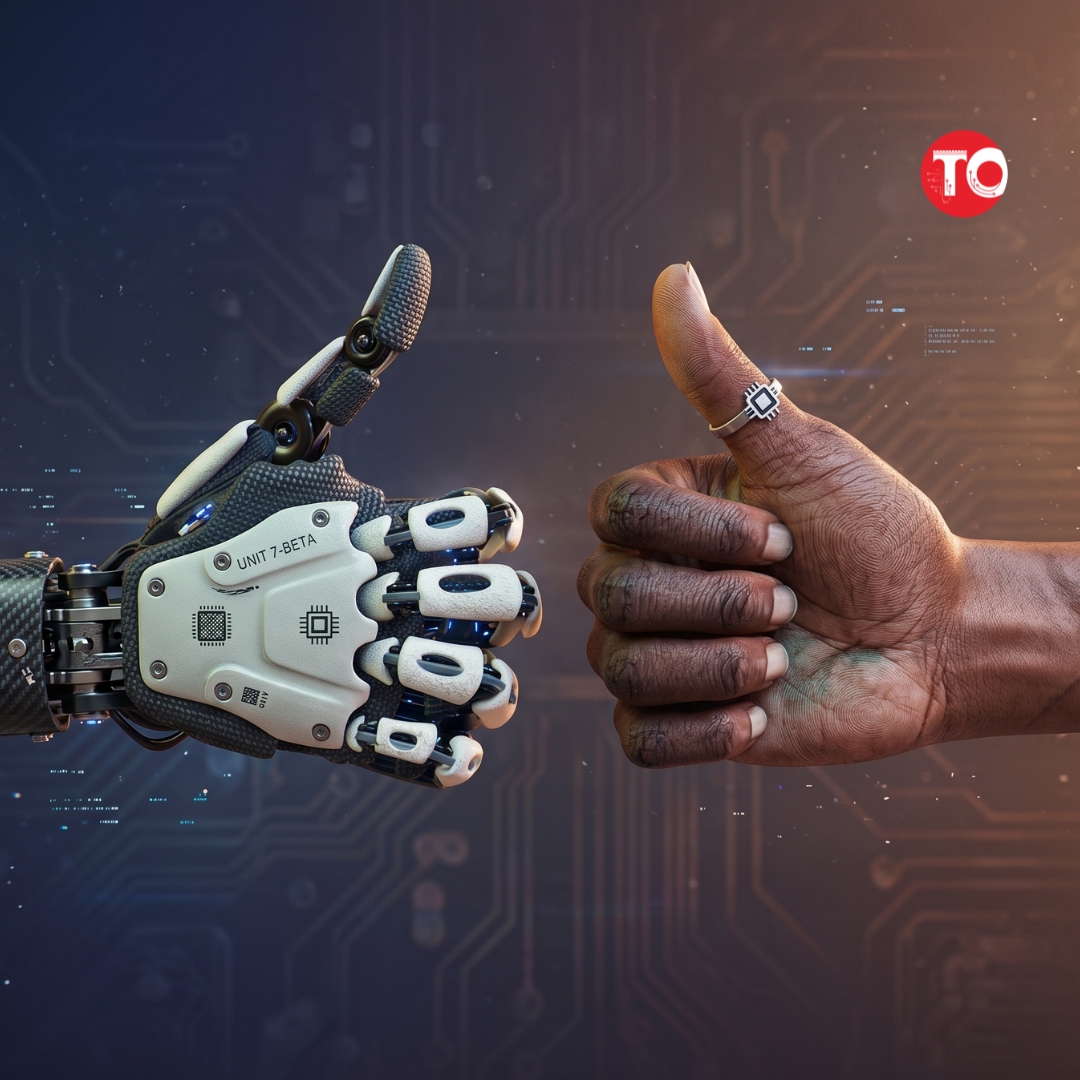
Industry insiders and tech analysts are buzzing over Meta’s latest strategic move: the acquisition of a cutting-edge robotics startup aimed at fueling its humanoid AI development. While Meta has long been a leader in software and the Metaverse, this acquisition marks a pivot toward embodied AI—the integration of advanced Large Language Models (LLMs) into physical, human-like forms. By bringing hardware expertise in-house, Meta signals its intent to compete directly with giants like Tesla and Boston Dynamics in the race to create functional, intelligent robots.
The logic behind this acquisition is rooted in the "physicality of intelligence." Meta’s current AI models, such as Llama, excel at processing text and images but lack the "spatial intelligence" required to interact with the real world. This startup’s proprietary technology in actuators and sensory feedback loops is expected to bridge that gap. By combining its massive data processing power with specialized robotics hardware, Meta aims to develop humanoid assistants capable of performing complex tasks in both industrial settings and, eventually, domestic environments.
Beyond basic automation, this move is a cornerstone of Mark Zuckerberg’s vision for a seamless blend of the digital and physical worlds. Integrating humanoid robotics with augmented reality (AR) could allow users to control physical robots through Quest headsets, effectively giving "bodies" to AI avatars. This synergy suggests that Meta isn't just building a robot; it is building a physical extension of its digital ecosystem, potentially revolutionizing how humans interact with technology in the late 2020s.