



Meta is currently developing a photorealistic AI version of its CEO, Mark Zuckerberg, designed to replicate his voice, unique communication style, and specific decision-making patterns. This digital twin is intended to allow Meta employees to interact with their leader in real time, providing a scalable way to answer questions and offer strategic guidance. By digitizing leadership, Meta is exploring how a CEO’s influence can exist beyond physical presence, ensuring that strategic alignment is maintained across the company’s global offices, including those in the Middle East and Oman.
This project is a high-profile component of Meta’s aggressive $100 billion investment into AI infrastructure, data centers, and advanced modeling. As the company races against rivals like Google and OpenAI, Zuckerberg has taken a personal interest in the engineering process, working directly with teams to refine how these systems evolve. This massive financial and personal commitment highlights Meta's belief that AI-driven leadership and infrastructure will be the defining competitive edge in the next decade of technology.
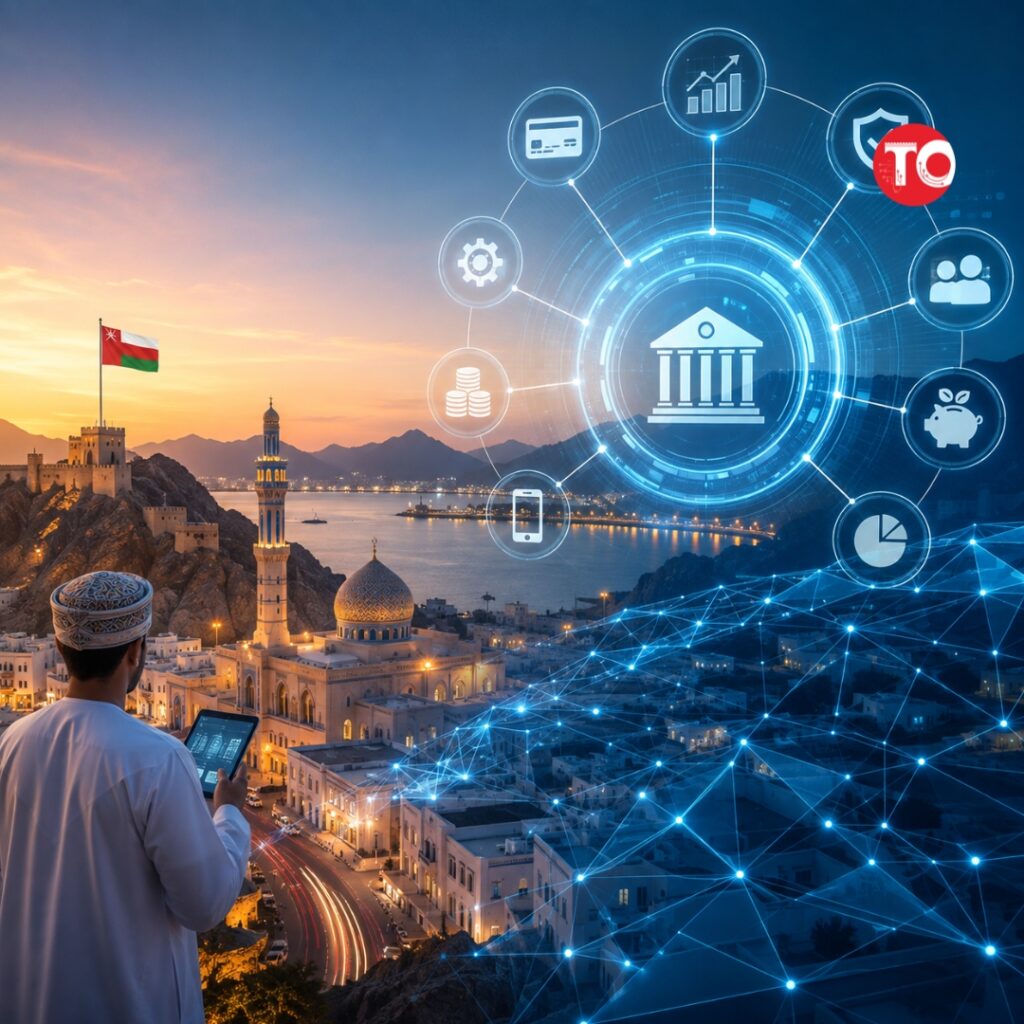
The broader implications of this technology suggest a fundamental shift in the concept of corporate leadership. If a leader can be digitally replicated, they are no longer restricted by time or geography; a single executive could effectively participate in multiple strategic meetings at once, from Silicon Valley to Muscat. This "leadership multiplication" allows for unprecedented speed in execution and decision-making, giving companies that master this technology a significant advantage in organizational control.
We are witnessing the dawn of an era where intelligence and leadership become assets that can be cloned and deployed at scale. For emerging tech hubs in Oman and the wider region, these advancements signal a future where digital personas could become a standard tool for managing large-scale global operations. While the goal is to enhance rather than replace human leaders, the ability to scale a founder's vision through AI represents a transformative leap in how businesses will operate in the digital age.