




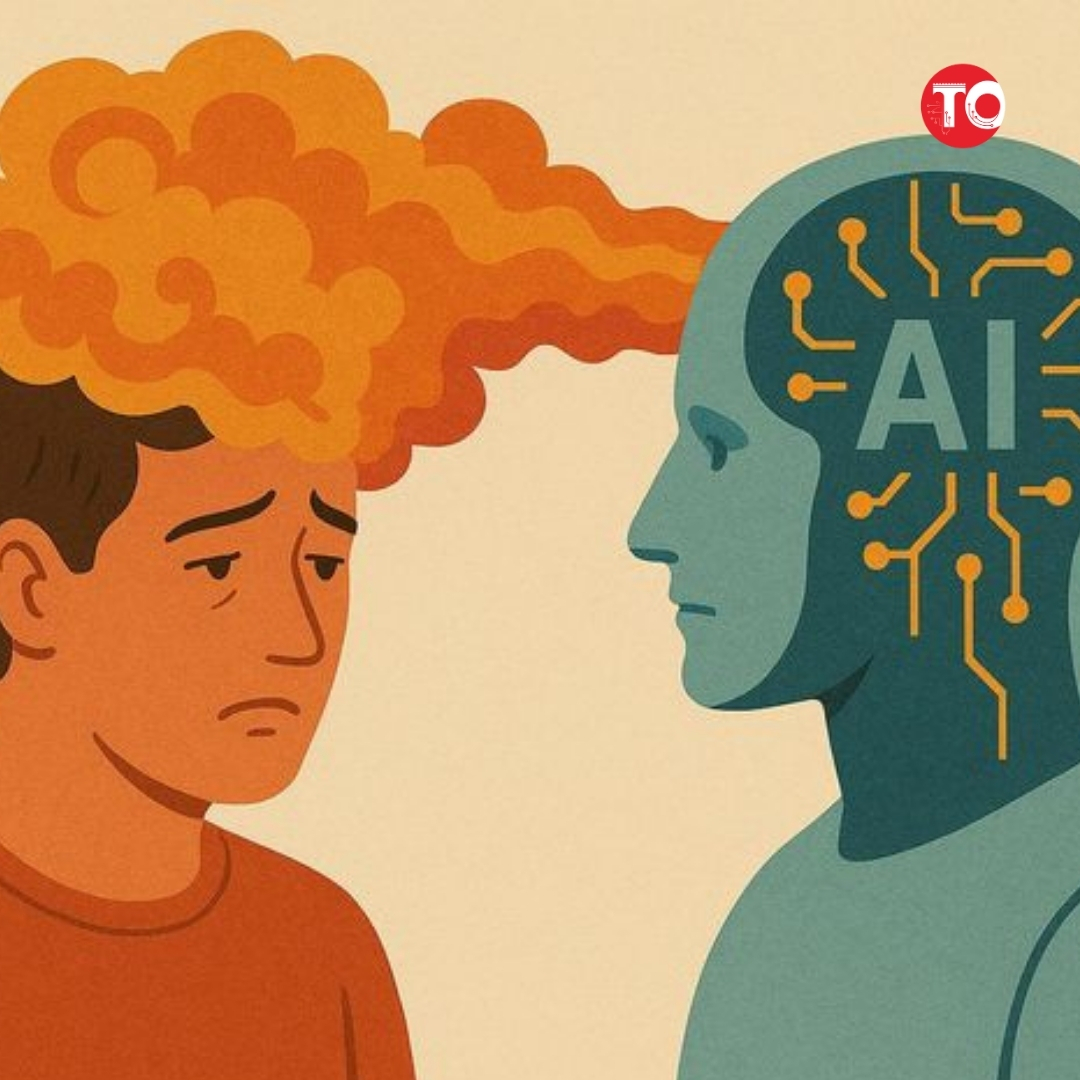
As regional conflicts escalate, a parallel digital war is unfolding through the rapid spread of AI-generated misinformation. Using advanced tools like Veo and Grok, users can now create hyper-realistic fakes, such as recent fabricated media involving Benjamin Netanyahu, which successfully fuel public confusion despite subtle technical flaws. Experts like Tariq Al Barwani argue that while technology is evolving, the primary issue remains the speed at which people believe and share unverified content without a second thought.
The digital landscape is currently saturated with AI visuals of drone strikes and fires designed to incite fear, alongside satirical caricatures of global leaders. While some content seems lighthearted, experts warn that even parody erodes public trust by blurring the boundary between reality and fiction. Filmmaker Sultan Khalfan notes that while high-quality AI requires genuine skill, it is frequently weaponized for clickbait and deepfakes, rather than being used as a constructive tool for creative storytelling.
The emotional intensity of a crisis often bypasses our logic, making us more susceptible to digital manipulation. Former educator Shamshad Hamza emphasizes that when fear runs high, people frequently become unwitting participants in spreading rumors that cause real-world panic. To counter this, individuals must take personal responsibility by questioning sources, verifying facts with established media, and reporting deceptive content to prevent digital lies from causing physical harm.
The complexity of this issue grows as AI moves beyond static images into high-fidelity video that can mimic live news broadcasts with startling accuracy. As these models improve, the obvious "tells" of AI—like anatomical distortions—are disappearing, making it harder for the average person to spot a fake. This evolution suggests that the window for manual verification is closing, placing more pressure on platforms to implement robust detection systems and for users to maintain a healthy level of skepticism toward viral content.
Ultimately, navigating the modern "fog of war" requires a combination of technological safeguards and a cultural shift toward digital literacy. In an era where a single AI-generated lie can trigger real-world violence, the ability to pause and verify information has become an essential survival skill. By fostering a more cautious and informed online community, we can ensure that artificial intelligence serves as a tool for progress rather than a catalyst for deception and unrest.