




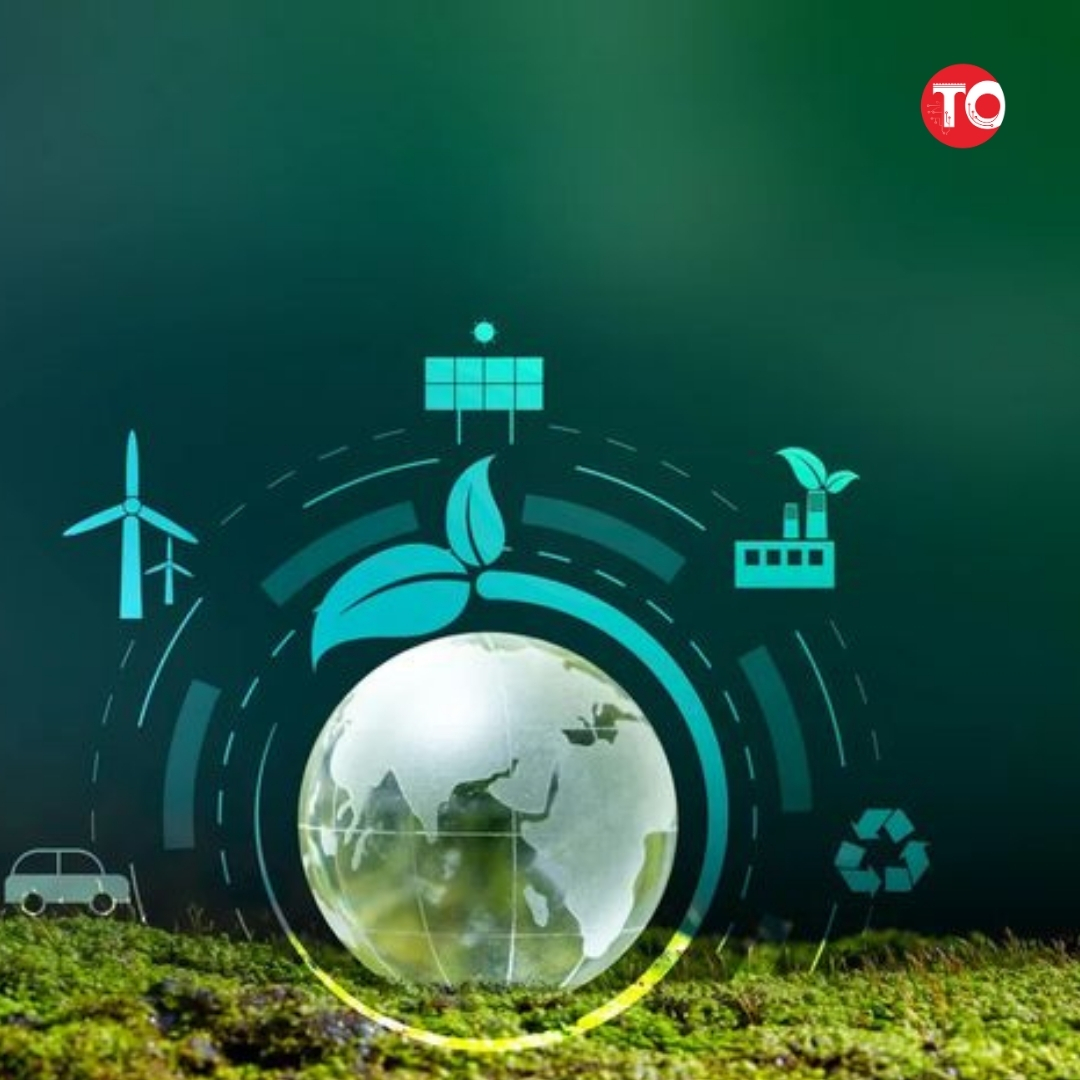
Climate change is one of the biggest challenges facing the world today. Rising temperatures, extreme weather, melting ice, and loss of biodiversity are all signs that the planet is under pressure. To understand these changes and respond effectively, technology is playing a powerful role. Today, advanced tools help scientists, governments, and businesses monitor the environment and make better decisions for a sustainable future.
AI for Climate Modeling
Artificial intelligence (AI) changes how we study the climate. Climate systems are very complex, with many factors like temperature, wind, oceans, and human activity interacting with each other. Traditional methods of studying these systems can take a long time and may not always be accurate.
AI helps by analyzing large amounts of data quickly. It can study patterns from past weather events and predict future climate conditions. For example, AI can improve forecasts for storms, heatwaves, and rainfall. This helps communities prepare in advance and reduce damage.
AI is also useful in understanding long-term climate trends. It can simulate different scenarios, such as what might happen if carbon emissions increase or decrease. These insights help policymakers plan strategies to reduce risks and protect the environment.
Satellite Monitoring of Ecosystems
Satellites are another important tool in environmental monitoring. They orbit the Earth and collect data from different regions, including forests, oceans, and ice caps. This allows scientists to observe changes on a global scale.
Satellite images can show deforestation, changes in sea levels, and melting glaciers. They can also track air pollution and monitor the health of crops. This information is especially useful in remote areas where ground-based monitoring is difficult.
With regular updates, satellites provide real-time or near real-time data. This helps in early detection of problems such as forest fires, oil spills, or illegal activities like logging and mining. Quick detection allows faster response and better protection of natural resources.
Technology Driven Carbon Tracking
Tracking carbon emissions is essential for fighting climate change. Many technologies are now used to measure and manage carbon output from industries, transport, and other activities.
Sensors and digital systems can monitor emissions in real time. Companies can use this data to understand where emissions are coming from and how to reduce them. This improves accountability and encourages more responsible practices.
Some systems also help in tracking carbon credits and offsets. These tools ensure that efforts to reduce emissions are transparent and reliable. By using technology, organizations can set clear targets and measure their progress toward sustainability goals.
The Bigger Picture
Technology alone cannot solve climate change, but it is a powerful tool in the solution. It provides accurate data, improves decision-making, and increases awareness. When combined with strong policies and responsible behavior, technology can help create a more sustainable future.
However, it is also important to use technology carefully. Energy consumption, electronic waste, and the environmental impact of building new systems must be managed responsibly. The goal is to ensure that the solutions themselves do not create new problems.
Technology is transforming how we understand and protect the environment. From AI-driven climate models to satellite monitoring and carbon tracking systems, these tools are helping us respond more effectively to environmental challenges.
As climate issues continue to grow, the role of technology will become even more important. By using it wisely, we can build a future where development and sustainability go hand in hand, ensuring a healthier planet for generations to come.