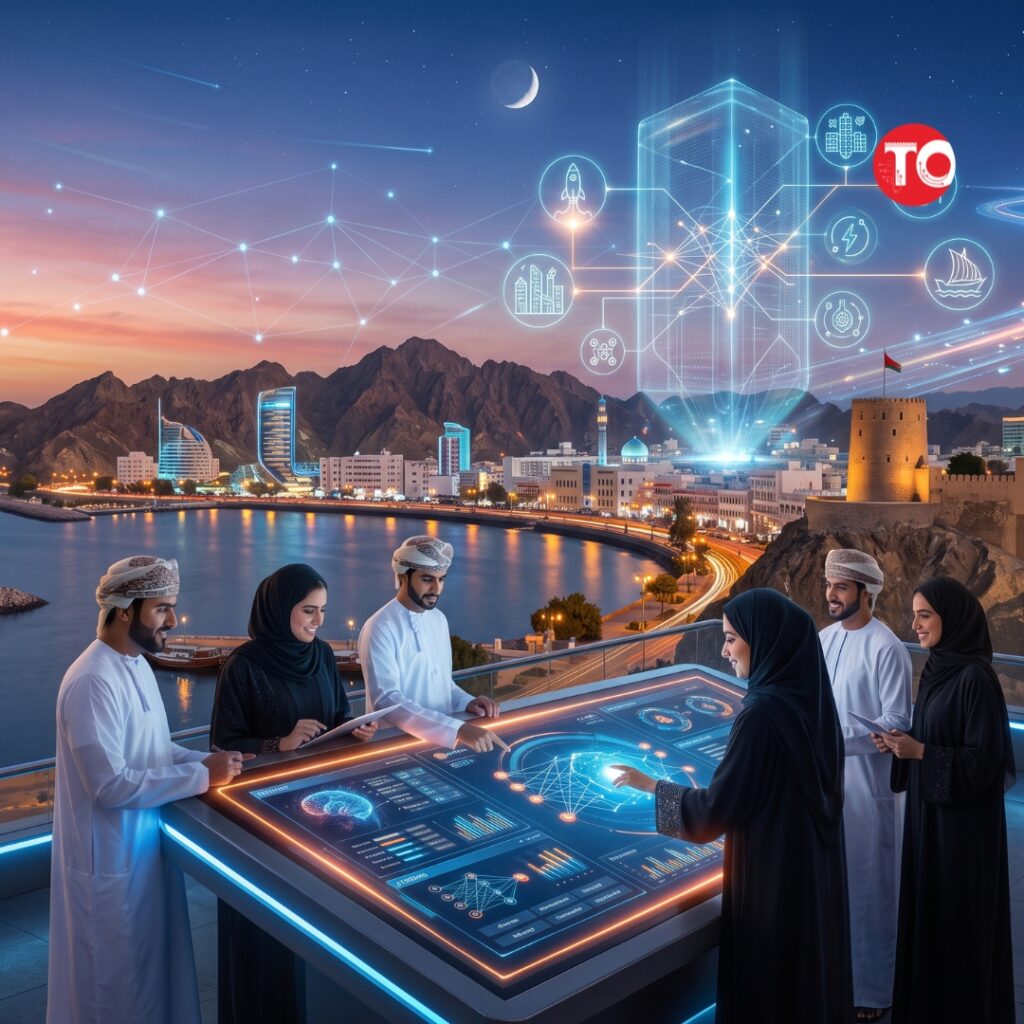



Oman’s technology sector is moving into a more focused and mature stage.
The initial wave of excitement and attention has served its purpose. People are more aware, discussions are broader, and ambition is clear. However, moving forward will require more than just enthusiasm. Success now depends on building strong structures.
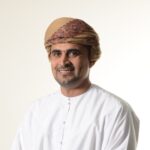
Zeeshan Sabri believes this difference is important.
Sabri, a strategist who works with AI, governance, operating design, and leadership systems, thinks Oman is at a turning point. The country does not just need more innovation. It needs better planning, stronger institutions, and a more disciplined approach to turning ideas into action.
He sees the main challenge as something other than a lack of ideas. Instead, the real issue is that the necessary structures are not yet in place.
Beyond Momentum
In the region, people often talk about digital transformation in terms of speed: adopting new tools quickly, digitizing faster, scaling up rapidly, and integrating AI sooner.
But moving quickly without proper alignment leads to confusion.
Sabri points out that a common mistake in transformation is trying to improve systems before they are stable. Organizations often use advanced tools before deciding who is responsible for decisions. They start innovation programs before making sure everyone knows their roles. They seek attention before building strong operations.
This often leads to scattered efforts, repeated projects, and teams feeling worn out. “Oman does not need to move louder. It needs to move in sequence.”
This idea is central to how he thinks about progress.
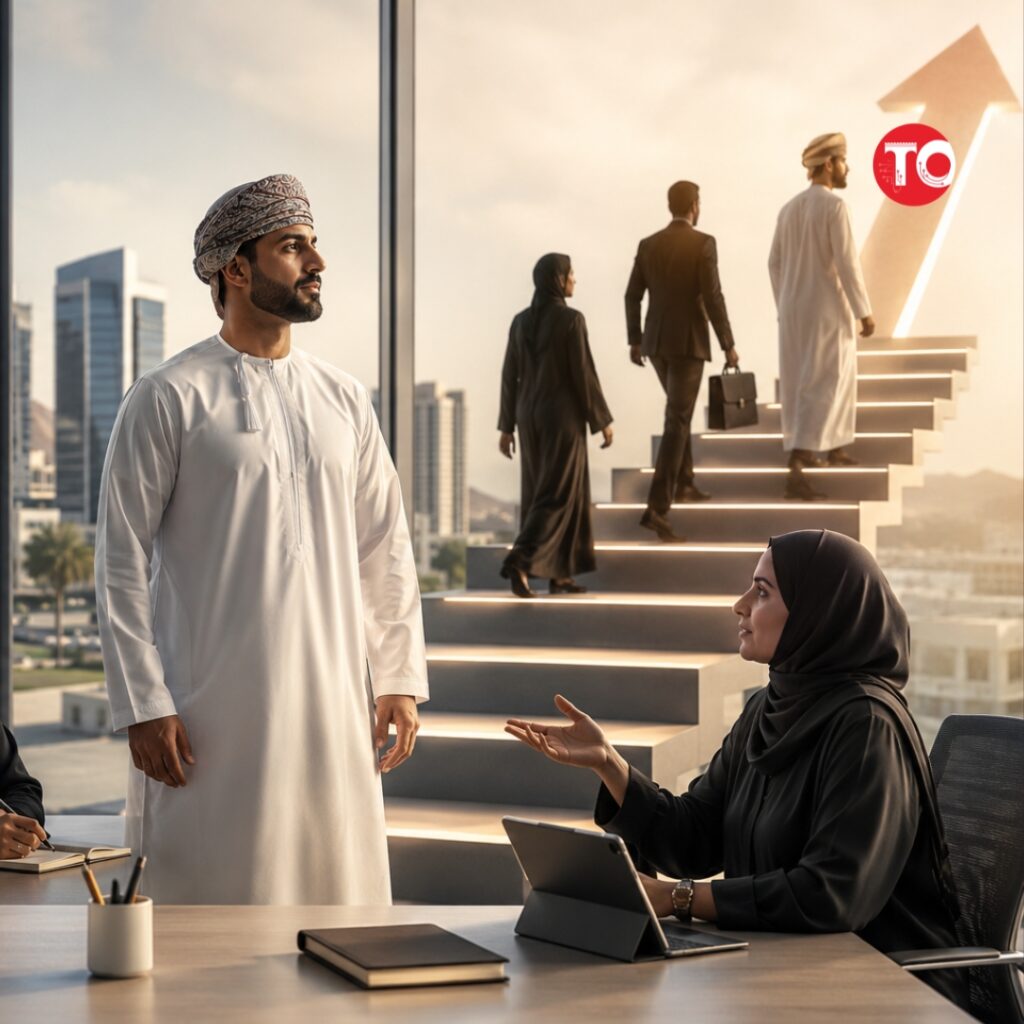
Sabri believes progress is not just about using new technology. It is about making sure people, managers, and institutions are prepared to support it. Without this, even good projects can end up looking impressive but not making real change.
The Real Prerequisite: Pre-Governance Clarity
Sabri’s approach is based on a principle many leaders miss: you need stability before you can improve things.
He calls this the need for a pre-governance operating layer. This means having the right structures in place before governance, digital systems, or AI projects can work well on a large scale.
This includes questions many organizations delay confronting:
- Who actually owns the decision?
- Where does accountability begin and end?
- Which layer is strategic, and which is operational?
- What sequence should transformation follow?
- Is the institution truly ready for scale, or merely ready for announcements?
These are not just theoretical questions. They decide whether new ideas actually work when put into practice.
In new tech environments, there is often pressure to focus on results like launches, pilots, partnerships, investments, and media coverage. Sabri acknowledges these are important, but he stresses that without a solid foundation, these results can lead to weak systems.
His main point is straightforward but challenging: clarity is not just a nice idea. It is as important as infrastructure.
Why This Matters Now for Oman
Oman has the ingredients to become a serious regional case study in disciplined digital transThe country is ambitious, has a growing community of entrepreneurs, and a government that is more involved in modernization, digital services, economic diversification, and future-focused industries. Oman also has a key advantage: it can learn from the mistakes made in less organized markets.iThis gives Oman a unique opportunity.an opening.
Instead of copying other ecosystems that became chaotic before finding order, Oman can take a more mature approach. This would focus on careful planning, building strong institutions, and creating long-term value.
Sabri views this as a strategic advantage for Oman.
He believes that in the next phase, the winners will not always be the fastest movers. Instead, success will come to those who can handle complexity while staying organized.
This is especially important when it comes to AI.
Artificial intelligence is already making organizations face problems they used to ignore, such as unclear decision-making, uncertain ownership, weak processes, and relying too
much on informal leaders. AI does not just make systems better; it also reveals their weaknesses.
This is why Sabri thinks Oman needs to have a deeper discussion about its technology future.
The future will not favor those who just use AI tools. It will favor those who create the right conditions for AI to work responsibly, effectively, and on a large scale.
A Different Kind of Leadership Voice
What sets Sabri apart is that he does not treat transformation as just a way to improve an organization’s image.
He talks about transformation as something that should be built into how organizations actually work.
He focuses less on disruption and more on being prepared. He cares more about how things are done than about putting on a show. He values real integrity over hype.
This makes his perspective especially useful now, as many organizations find it hard to turn digital goals into consistent results.
For founders, he warns against trying to grow too quickly.
For executives, he reminds them that even the best strategies fail if the organization’s structure is weak.
For public-sector leaders, he encourages thinking beyond just adding digital services and instead focusing on making sure institutions work well together.
For places like Oman, he invites leaders to grow up early and not mistake being busy for making real progress.
The Oman Opportunity
Sabri’s bigger point is that Oman can do more than just join the regional tech discussion. It can set an example by taking a more disciplined approach.
That would mean championing a model of innovation rooted in:
- structural clarity before scale
- sequencing before acceleration
- operating discipline before optimization
- leadership coherence before ecosystem noise
In practice, this means organizations would rethink what it means to be ready. Instead of asking, “What tool should we use?” they would ask, “What needs to be in place before any tool can really help us?”
That is a harder question. But it is also the right one.
In the end, lasting innovation does not come from adding technology to a messy situation. It comes from creating environments where technology, people, leadership, and good execution all support each other.
Final Word
Zeeshan Sabri is the kind of strategic thinker the region needs more of. He understands technology, but also sees how it connects with governance, leadership, and people.
He is not against moving quickly. He is against chaos.
At a time when many markets confuse being busy with being mature, this difference could be crucial.
For Oman, the message is timely.
The next leap will not come from doing more. It will come from building better.
And that begins with clarity.