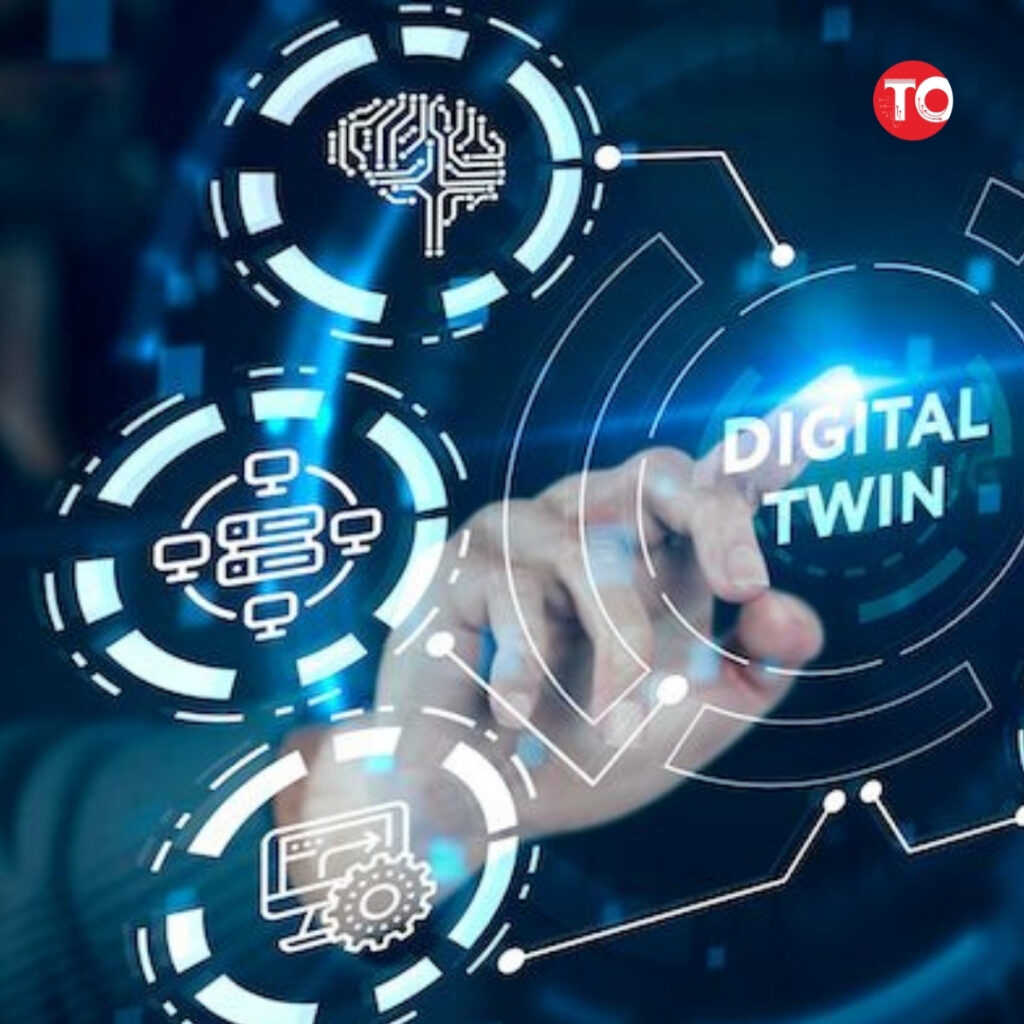


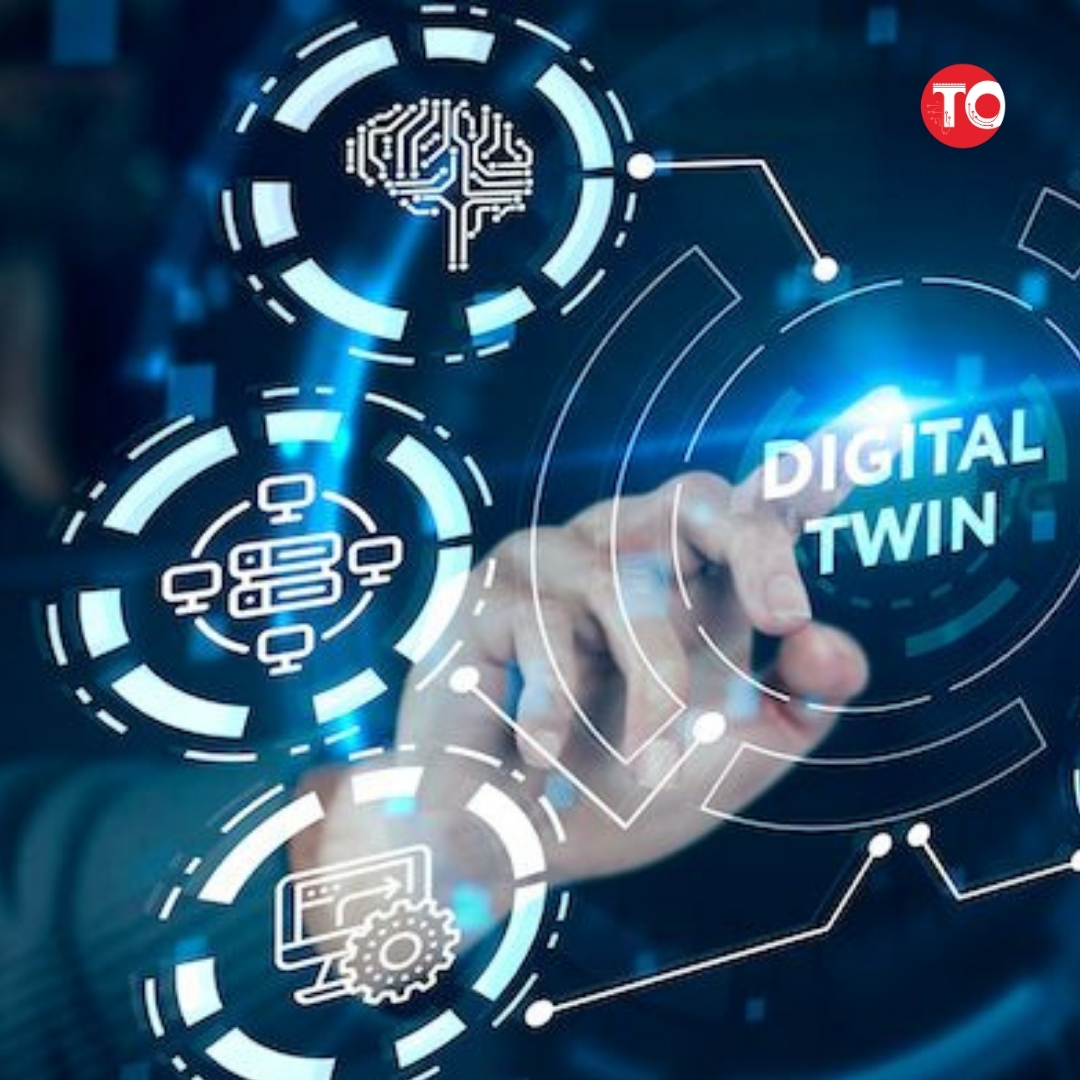
Digital twin technology is changing the way we understand and manage the real world. A digital twin is a virtual copy of a physical object, system, or process. It uses data from the real world to create a digital version that behaves in the same way.
This means you can test, study, and improve something in the digital world before making changes in real life. It helps save time, reduce costs, and avoid mistakes.
What is a Digital Twin?
A digital twin is like a mirror of a real object or system. It can be a machine, a building, a city, or even the human body. Sensors collect data from the real object and send it to the digital model. The model then updates in real time.
This allows people to see how things work, spot problems early, and make better decisions.
Smart Manufacturing and Predictive Maintenance
In factories, digital twins are used to improve production and reduce downtime. Machines are connected to sensors that track performance, temperature, and usage.
With a digital twin, companies can:
- Monitor machines in real time
- Predict when a machine might fail
- Fix issues before they become serious
This is called predictive maintenance. Instead of waiting for something to break, companies can act early. This saves money and keeps production running smoothly.
Digital twins also help in designing better products. Engineers can test new ideas in a virtual environment before building them.
Digital Twins in Healthcare and Urban Planning
Digital twins are also being used in healthcare. Doctors can create digital models of organs or even entire bodies. These models help in understanding diseases and planning treatments.
For example, a digital twin of a heart can help doctors study how it works and test different treatment options safely. This can lead to more accurate and personalized care.
In cities, digital twins are used for urban planning. A digital model of a city can show traffic patterns, energy use, and pollution levels.
City planners can use this information to:
- Improve traffic flow
- Plan better public transport
- Reduce pollution
- Design smarter infrastructure
This helps create safer and more efficient cities.
Simulation Technology Transforming Industries
One of the biggest benefits of digital twins is simulation. Simulation means testing different scenarios in a virtual environment.
Industries can use simulations to:
- Improve designs
- Test new systems
- Train workers
- Reduce risks
For example, companies can simulate how a factory will perform under different conditions. They can also test how changes will affect costs and efficiency.
This approach is faster and safer than testing everything in the real world.
Benefits of Digital Twin Technology
Digital twins offer many advantages:
- Better decision-making through real-time data
- Reduced costs by avoiding failures
- Improved efficiency and productivity
- Safer testing and experimentation
- More accurate planning and forecasting.
Challenges to Consider
While digital twins are powerful, they also come with challenges. They require large amounts of data and advanced technology. Setting up these systems can be expensive. There are also concerns about data privacy and security. It is important to protect sensitive information and ensure systems are reliable. Digital twin technology is a smart way to connect the physical and digital worlds. It helps organizations understand their systems better and make smarter decisions. From factories to hospitals and cities, digital twins are transforming how industries operate. As technology continues to grow, digital twins will play an even bigger role in improving efficiency, safety, and innovation.
In simple terms, digital twins allow us to test the future before it happens—and that is a powerful advantage.