




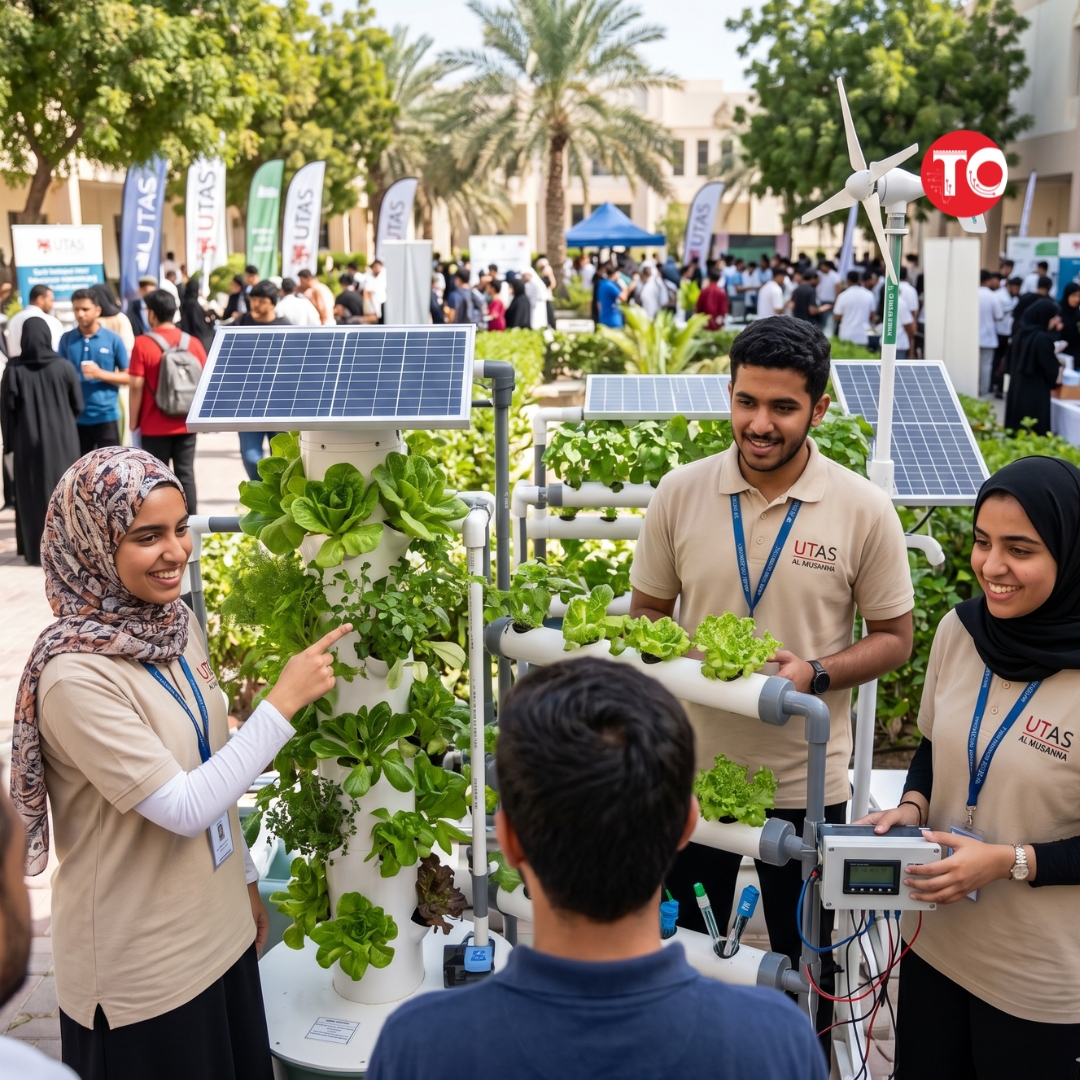
In a significant win for Omani youth innovation, a student-led company from the University of Technology and Applied Sciences (UTAS) in Al Musanna has successfully engineered a self-powered smart hydroponic system. This cutting-edge project is designed to bridge the gap between technology and traditional agriculture, offering a sustainable solution for modern food security within the Sultanate. By utilizing renewable energy to power the system, the students have created a truly "off-grid" agricultural tool that aligns perfectly with the environmental goals of Oman Vision 2040.
The breakthrough technology aims to transform ordinary homes into sustainable smart farms through a sophisticated integration of plant cultivation and fish farming. Known as an aquaponic-hydroponic hybrid, the system creates a symbiotic ecosystem where the waste produced by the fish provides natural nutrients for the plants, and the plants, in turn, help to purify the water. This circular process significantly reduces water consumption compared to traditional farming, making it an ideal solution for the arid climate of the Batinah region and beyond.
What sets this student project apart is its "smart" integration, allowing users to monitor and manage their mini-farms with precision. The system is equipped with sensors that track water levels, temperature, and nutrient quality, ensuring that the ecosystem remains balanced with minimal human intervention. For families in Oman, this means the ability to grow organic vegetables and harvest fresh fish directly from their backyards or balconies, promoting self-sufficiency and healthier lifestyles.
The success of this student venture at UTAS Al Musanna highlights the high caliber of STEM talent emerging from the Sultanate’s technical universities. By turning a complex scientific concept into a practical consumer product, these young entrepreneurs are proving that local innovation can solve global challenges like food scarcity and climate change. As the company looks toward commercialization, it serves as an inspiring example of how Omani students are leading the way in building a greener, more tech-driven future for the nation.