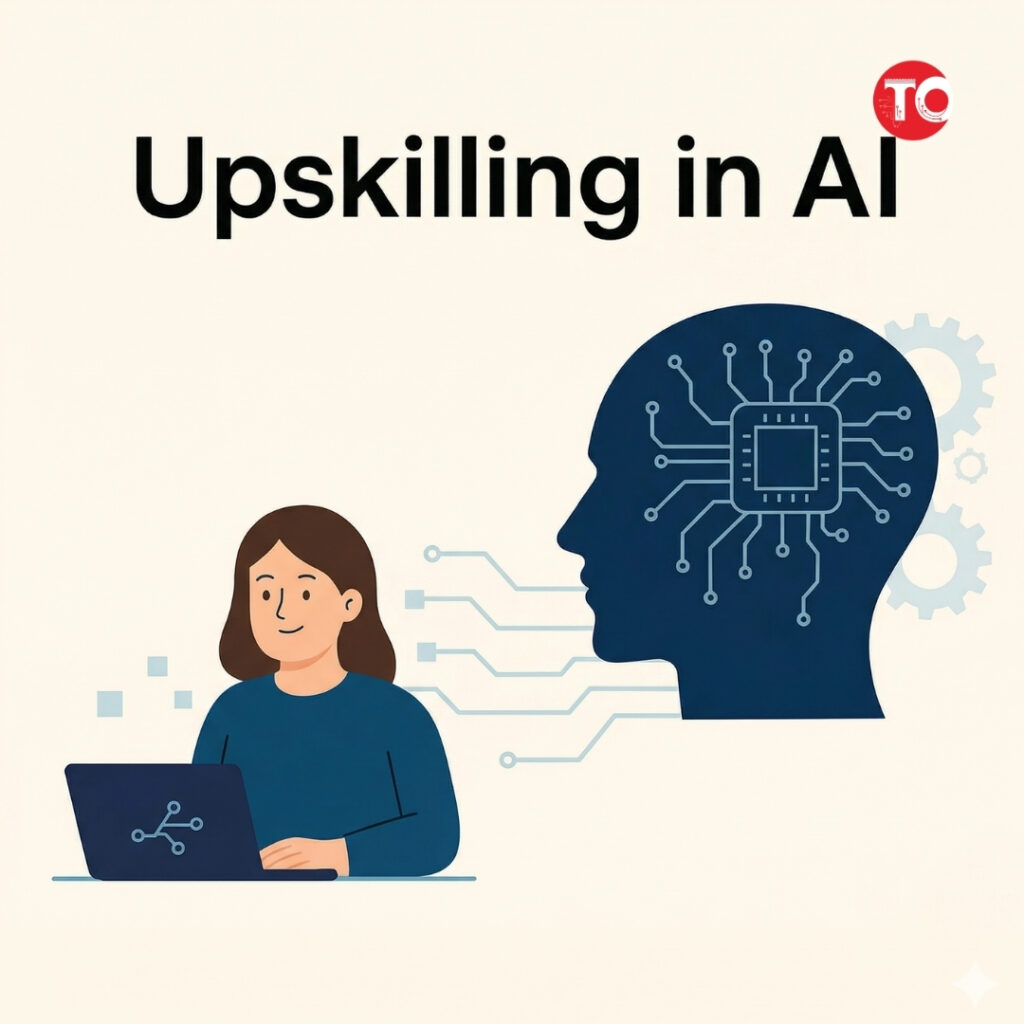




We are living in one of the most transformative periods in modern history. Artificial intelligence is reshaping industries, redefining work, and challenging the way individuals and organizations think about productivity, creativity, and decision-making.
Yet despite the speed of technological progress, one fundamental problem remains unchanged.
Most people are still operating without systems.
The majority of professionals rely on bursts of motivation, short-term inspiration, or external pressure to achieve results. This approach may produce occasional progress, but it rarely creates sustainable performance.
Technology alone does not solve this problem.
In fact, the rise of AI makes the problem even more visible. Artificial intelligence is not simply a tool for automation. It is a mirror that reflects the structure or lack of structure within organizations and individuals.
Companies with strong systems quickly integrate AI into their workflows. They automate processes, improve decision-making, and unlock new opportunities for growth.
Companies without systems struggle. They adopt tools without clear strategy, creating more complexity instead of efficiency.
The same pattern appears at the individual level.
A professional who has built a disciplined internal structure can use AI to expand their capabilities. Tasks that once required hours can now be completed in minutes. Research, analysis, and communication can be accelerated dramatically.
But without structure, these same tools often become distractions.
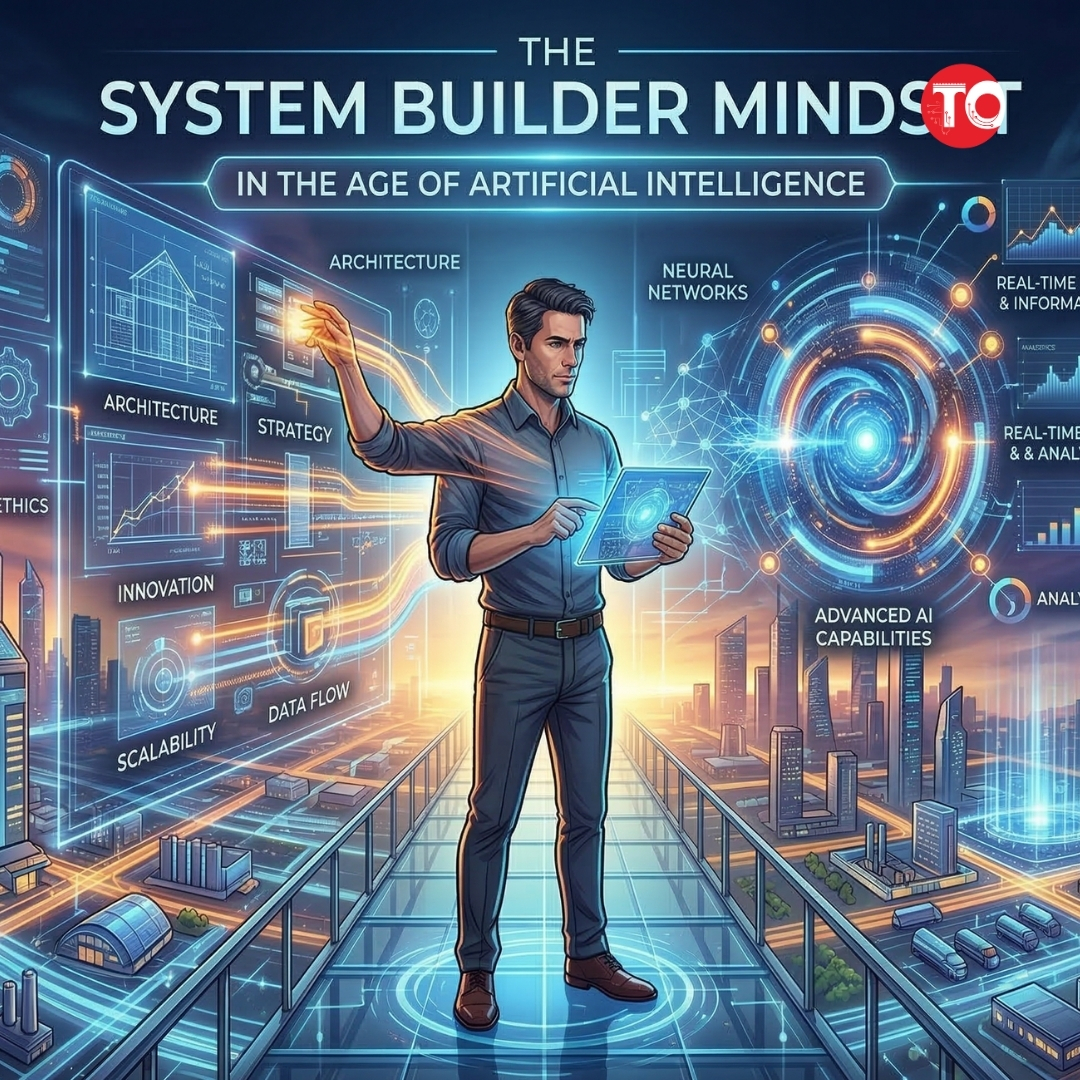
This idea is central to what I call The System Builder mindset.
A System Builder is someone who understands that results are not created by motivation or luck. They are created by systems, repeatable structures that guide behavior and decision-making over time.
In the age of artificial intelligence, this mindset becomes even more important.
AI will increasingly handle routine tasks. It will analyze data, generate insights, and automate operational processes. What remains uniquely human is the ability to design systems, define strategy, and make deliberate decisions about direction.
In other words, the future will reward people who can think architecturally.
Instead of asking, “How can I work harder?” the more powerful question becomes, “What system can produce this result consistently?”
Entrepreneurs who adopt this approach can transform the way they build businesses. Rather than relying on constant effort, they create frameworks that allow teams, technology, and processes to work together effectively.
For individuals, the shift is equally powerful.
Building an internal system clarity of values, disciplined habits, and structured thinking creates a foundation that allows external tools like AI to amplify capability rather than replace it.
The combination of human systems thinking and artificial intelligence may become one of the most powerful partnerships of the coming decade.
But technology alone will never be the answer.
The real advantage belongs to those who learn how to design the systems behind it.