




Artificial Intelligence (AI) is changing the way people work, communicate, and run businesses. In recent years, a new type of technology has started gaining attention: AI agents and autonomous software. These systems can perform tasks on their own, make decisions, and complete work with very little human involvement.
From customer support to business automation, AI agents are quickly becoming an important part of the modern digital world.
What Are AI Agents?
An AI agent is a computer program that can perform tasks automatically by understanding information, making decisions, and taking action. Unlike traditional software that follows fixed instructions, AI agents can learn, adapt, and respond to different situations.
For example, an AI agent can:
- Answer customer questions
- Schedule meetings
- Analyze large amounts of data
- Manage digital workflows
- Help businesses automate repetitive tasks
Many companies are now using AI-powered tools such as ChatGPT, AutoGPT, and AgentGPT to perform complex tasks that normally require human effort.
How Autonomous Software Works
Autonomous software is designed to operate independently without needing constant instructions from humans. These systems use technologies such as machine learning, natural language processing, and data analysis to understand tasks and execute them.
For instance, an autonomous system can monitor business operations, identify problems, and suggest solutions automatically.
In some companies, autonomous software already helps with:
- Supply chain management
- Financial analysis
- Marketing automation
- Software development
- Customer service operations
This allows businesses to save time and reduce costs while improving efficiency.
AI Agents in Everyday Life
Many people already interact with AI agents without realizing it. Digital assistants like Siri, Google Assistant, and Amazon Alexa are examples of early AI agents.
These assistants can respond to voice commands, search for information, play music, and control smart devices in homes.
Today, AI agents are becoming much more advanced. Instead of simply responding to commands, they can plan tasks, execute multiple steps, and complete entire workflows.
For example, an AI agent might research a topic, write a report, summarize information, and send it by email; all automatically.
How Businesses Are Using AI Agents
Businesses across industries are quickly adopting AI agents to improve productivity. Companies are using these systems to automate tasks that once required large teams of employees.
For example:
Customer Support:
AI chatbots can answer customer questions 24/7, reducing waiting times and improving service.
Marketing:
AI tools can analyze customer data, create marketing campaigns, and optimize advertisements.
Finance:
AI agents can monitor transactions, detect fraud, and generate financial reports.
Content Creation:
AI-powered tools help writers generate ideas, draft articles, and edit content quickly.
Because of these capabilities, many companies see AI agents as a way to increase productivity while focusing human effort on more creative and strategic work.
The Benefits of Autonomous Software
There are several advantages to using AI agents and autonomous systems:
Efficiency:
AI systems can work continuously without fatigue.
Speed:
They can process and analyze large amounts of data much faster than humans.
Cost Reduction:
Automation reduces the need for repetitive manual work.
Better Decision-Making:
AI can analyze patterns and provide insights that help businesses make smarter decisions.
These benefits are driving rapid adoption of AI technology worldwide.
Challenges and Concerns
Despite their advantages, AI agents also raise important concerns.
One major issue is job displacement. As automation increases, some traditional roles may change or disappear. However, experts believe new jobs will also emerge in fields such as AI management, data science, and digital innovation.
Another concern is ethical use of AI. Companies must ensure that AI systems are transparent, secure, and used responsibly.
There are also concerns about data privacy and cybersecurity, since AI systems often rely on large amounts of data.
Because of these challenges, governments and technology companies are working to create policies and guidelines for responsible AI development.
The Future of AI Agents
The future of AI agents and autonomous software looks very promising. Experts believe these systems will become more advanced, capable of handling complex tasks across many industries.
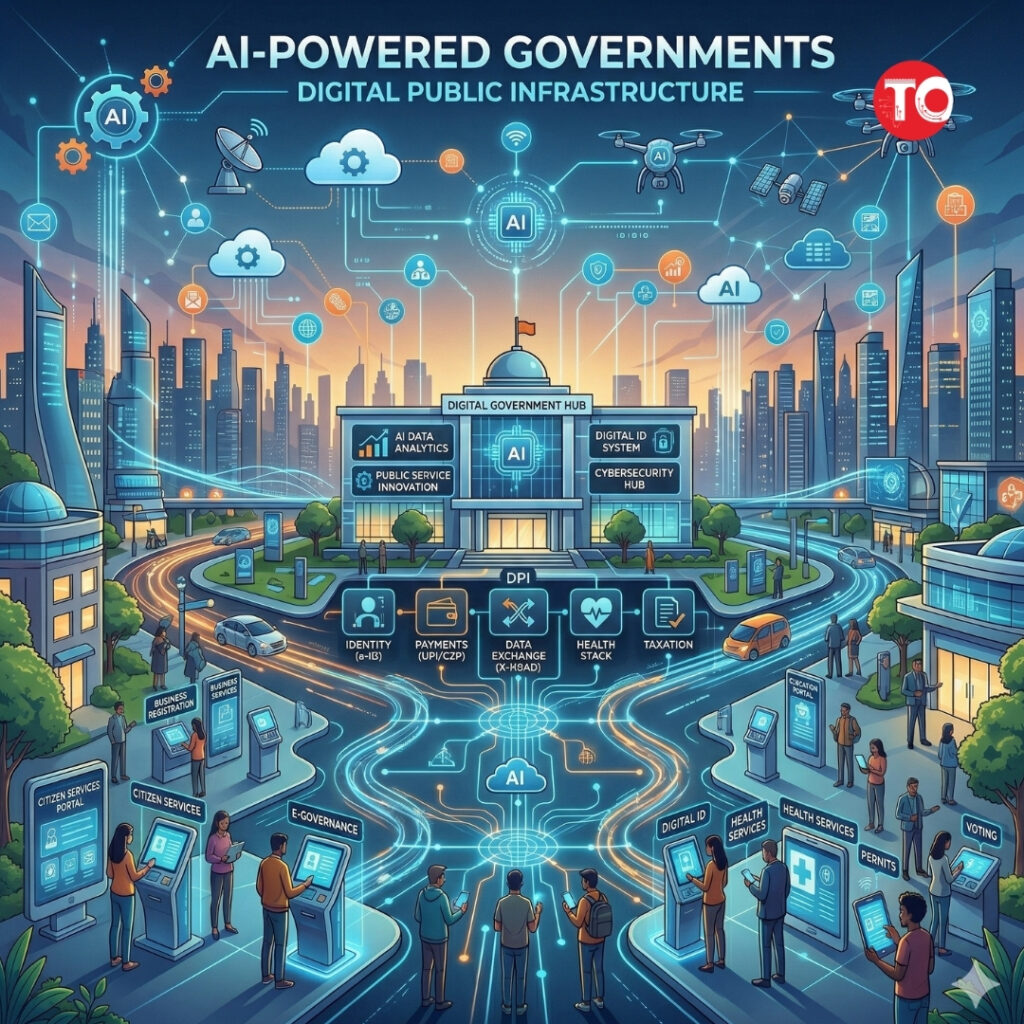
In the coming years, AI agents may help manage entire business operations, assist doctors in medical decisions, support education, and even help governments improve public services.
Instead of replacing humans, AI is likely to become a powerful partner, helping people work more efficiently and focus on creativity, strategy, and innovation.
As technology continues to evolve, AI agents will play a major role in shaping the future of work and the digital economy.